Children & Baby Toys (Plastic) Inspection
Plastic toys for children and babies are among the most heavily regulated consumer products worldwide. These products must meet strict safety requirements for chemical content, mechanical properties, and age-appropriate design to protect the most vulnerable consumers.
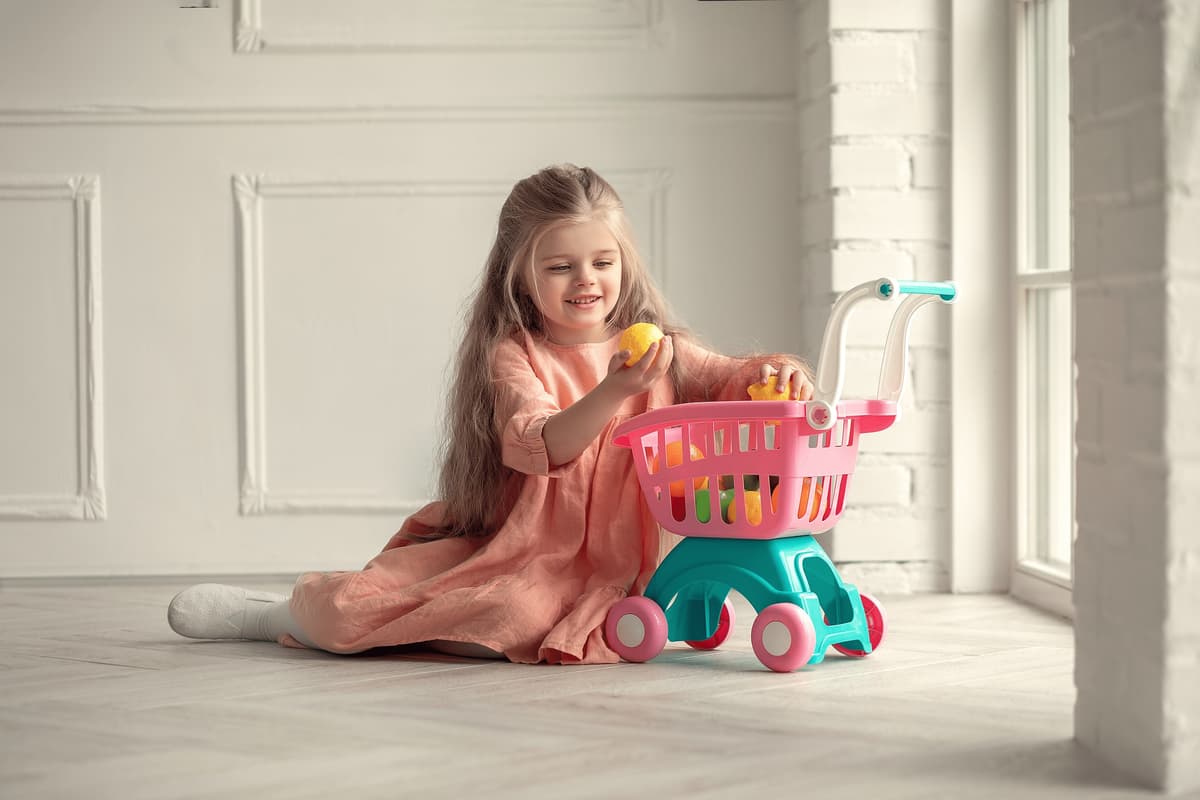
Key Inspection Checks for Children & Baby Toys (Plastic) Inspection
Sharp edges and points detection per age group requirements
Small parts and choking hazard testing
Chemical safety — lead, cadmium, phthalates, BPA migration testing
Mechanical strength — drop test, torque test, tension test
Battery compartment security for electronic toys
Projectile safety assessment where applicable
Age grading verification and warning label compliance
Packaging safety — suffocation hazards, sharp packaging components
Our inspectors conduct comprehensive safety and quality assessments covering sharp edges, small parts choking hazards, chemical migration, mechanical strength, and functional performance. We pay particular attention to baby products that may be mouthed, ensuring materials are free from harmful substances like lead, cadmium, phthalates, and BPA.
From rattles and teethers to action figures and electronic learning toys, we inspect across all plastic toy categories with specialized knowledge of global toy safety regulations. Our detailed reports help you demonstrate due diligence and compliance to regulators and retailers.
What Does Plastic Toy Testing Include?
Plastic toy testing is an independent, pre-shipment inspection that verifies children's and baby plastic toys against the relevant safety standards before they ship. A typical inspection on a production lot covers four measurable areas: (1) chemical safety — checking lead, cadmium, phthalate and BPA content against the migration limits in EN 71-3, ASTM F963 and CPSIA, with soft-PVC and mouthed items flagged for third-party lab testing; (2) mechanical safety — the small-parts (choking) cylinder check, sharp-edge and sharp-point detection, and torque, tension, drop and impact tests that simulate foreseeable abuse; (3) flammability and electrical safety — burning-rate checks under EN 71-2 and battery-compartment screw retention for electronic toys per ASTM F963 and EN 62115; and (4) labeling and age-grading verification, including warning wording, CE or CPSIA tracking marks and country-of-origin. Sampling follows ISO 2859-1 (AQL) so the lot accept/reject decision is statistically defensible rather than a spot opinion, and every finding is photo-documented in a report delivered within 24 hours.
What We See in Plastic Toys: Insights From the Factory Floor
Chemical safety is the dominant compliance risk for plastic toys, particularly baby products designed to be mouthed. Phthalate content exceeding the 0.1% limit under REACH Annex XVII and CPSIA Section 108 remains a recurring finding, especially in products using recycled PVC. We flag products for third-party lab testing whenever material documentation is incomplete or when soft PVC parts are present in items for children under 3.
Mechanical safety failures — sharp edges from poor mold trimming, ejector pin marks creating protrusions, and battery compartment screws accessible without tools — make up about 30% of our critical findings. For electronic toys, we additionally verify that battery compartments comply with the screw-retention requirements of ASTM F963 and EN 62115, preventing child access to button cells that pose severe ingestion hazards.
For an overview of the full toy quality control process and the safety tests involved, see our toy products inspection guide. For wooden products, see our dedicated wooden toy testing service. Our children & baby toys (plastic) inspection services are available through pre-shipment inspection, during production inspection, supplier verification audit. We cover major manufacturing regions including China, Vietnam, India, Thailand, and 30+ other countries.
Children & Baby Toys (Plastic) Inspection Industry Standards
Why Quality Control Matters for Children & Baby Toys (Plastic) Inspection
Products in the children & baby toys (plastic) inspection category face rigorous quality expectations from consumers, retailers, and regulatory authorities. Defects that escape the factory can result in product returns, negative reviews, safety recalls, and significant financial losses. For brands importing from overseas manufacturers, third-party quality control inspections are the most effective way to verify product quality before committing to shipment.
Tetra Inspection provides specialized inspection services for children & baby toys (plastic) inspection, including pre-shipment inspection, during production inspection, supplier verification audit. Our inspectors are trained in the specific quality criteria, defect patterns, and compliance requirements relevant to this industry. Each inspection follows AQL sampling standards (ISO 2859-1), with defects classified as critical, major, or minor based on your quality tolerances.
Compliance with applicable standards — such as ISO 2859-1 (AQL), EN 71-1/2/3/9, ASTM F963, CPSIA — is verified during every inspection. Our detailed photo-documented reports, delivered within 24 hours, provide the evidence you need to make informed accept-or-reject decisions, negotiate corrective actions with suppliers, and maintain a documented quality history across your supply chain.
Need Inspection for Children & Baby Toys (Plastic) Inspection?
Starting from $240/man-day · 48-hour scheduling
Free, no-obligation quote · We respond within 4 hours · Your details stay private
Children & Baby Toys (Plastic) Inspection — Frequently Asked Questions
Recommended Services for Children & Baby Toys (Plastic) Inspection
Related Industries
Latest Articles
Quality Control Standards for Baby Products in the US
Bringing a new baby into the world is a time filled with joy and meticulous preparation. As parents carefully select every item to ensure their little one's safety and comfort, manufacturers bear the crucial responsibility of meeting stringent quality standards. In the United States, the regulatory
Read full article: Quality Control Standards for Baby Products in the US
Electrical Toys Testing & Quality Control: Safety Standards Guide
Electric toys bring joy and entertainment to children, but they also come with unique safety considerations. In this comprehensive blog, we explored the various electric toys quality control measures employed to identify and mitigate potential hazards associated with electric toys.Through a detailed
Read full article: Electrical Toys Testing & Quality Control: Safety Standards Guide
Children's Product Certificate (CPC): What It Is & How to Get One
If you're an importer or someone who outsources children's products from abroad, it's important to understand the regulations around Children's Product Certificates (CPCs). CPCs are required for certain types of children's products to ensure they meet federal safety standards. This blog will cover e
Read full article: Children's Product Certificate (CPC): What It Is & How to Get OneNeed Inspection for Children & Baby Toys (Plastic) Inspection?
Get a quote in minutes. Our inspectors are ready worldwide.