
Footwear Inspection
Footwear inspection ensures that shoes, boots, sandals, and other footwear products meet strict quality and safety requirements before shipment. Defects in bonding, stitching, sole attachment, and material quality can result in product failures, returns, and potential safety hazards.
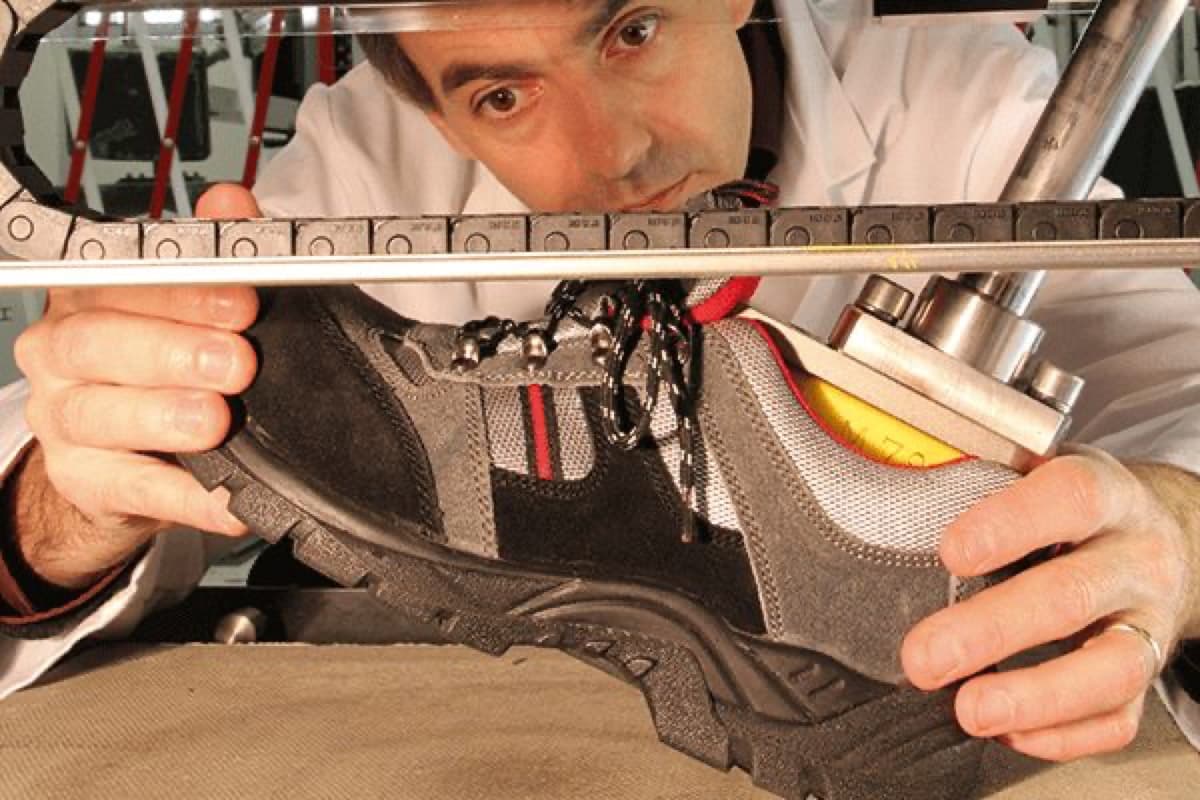
Key Inspection Checks for Footwear Inspection
Sole bonding and adhesion strength testing
Stitching quality and thread tension consistency
Size and dimensional accuracy against spec sheets
Color matching and consistency between pairs
Material quality — leather, synthetic, rubber, textile uppers
Flexibility and comfort tests
Metal detection for safety compliance
Packaging, labeling, and barcode accuracy
Our inspectors perform thorough assessments covering adhesion strength, flexibility, color consistency, sizing accuracy, and packaging integrity. We verify that materials conform to specifications and that the finished product matches approved samples in every detail.
From athletic shoes and leather boots to children’s footwear and safety shoes, we have the expertise to inspect across all footwear categories. Our reports include detailed photos, defect classifications, and pass/fail results based on AQL standards.
What We See in Footwear: Insights From the Factory Floor
Sole bonding failures remain the single most critical defect in footwear production, accounting for nearly 30% of all major findings in our inspections. Adhesion pull-test results below the SATRA benchmark of 3.5 kg/cm are most common in cemented construction, particularly when factories rush curing times during peak season. Material composition discrepancies — where the actual upper or lining differs from the approved sample — represent another 20% of findings, followed by size and fit deviations (15%) and color matching issues between pairs (12%).
Footwear inspection demands specialized knowledge of construction methods. Our inspectors evaluate stitch-and-turn, cemented, vulcanized, and injection-molded constructions differently, applying the appropriate ASTM F2413 benchmarks for safety footwear and EN ISO 20345 for protective footwear sold in Europe. For children’s shoes, we pay special attention to small-parts safety, chemical content under REACH, and metal detection to prevent ingestion hazards. For a step-by-step breakdown of defects and inspection stages, see our guide to shoe quality control. Many footwear factories also produce leather accessories, so for bags and luggage from the same suppliers we provide dedicated bag inspection.
Sourcing concentration matters: China (Fujian and Guangdong provinces) and Vietnam together produce over 70% of the world’s footwear exports. We work with established local inspectors in both regions, enabling fast scheduling and deep familiarity with local factory practices and common production shortcuts. For North American buyers, footwear quality control in Mexico — centered on the León cluster in Guanajuato — offers a nearshoring alternative with shorter lead times and USMCA duty-free access. European brands sourcing premium leather shoes turn to quality control in Portugal, where the São João da Madeira and Felgueiras clusters pair EU standards compliance with short lead times and smaller minimum orders.
Our footwear inspection services are available through pre-shipment inspection, during production inspection, initial production check. We cover major manufacturing regions including China, Vietnam, India, Cambodia, Pakistan (Sialkot leather and sports goods), and 30+ other countries.
Footwear Inspection Industry Standards
Why Quality Control Matters for Footwear Inspection
Products in the footwear inspection category face rigorous quality expectations from consumers, retailers, and regulatory authorities. Defects that escape the factory can result in product returns, negative reviews, safety recalls, and significant financial losses. For brands importing from overseas manufacturers, third-party quality control inspections are the most effective way to verify product quality before committing to shipment.
Tetra Inspection provides specialized inspection services for footwear inspection, including pre-shipment inspection, during production inspection, initial production check. Our inspectors are trained in the specific quality criteria, defect patterns, and compliance requirements relevant to this industry. Each inspection follows AQL sampling standards (ISO 2859-1), with defects classified as critical, major, or minor based on your quality tolerances.
Compliance with applicable standards — such as ISO 2859-1 (AQL), EN ISO 20345, EN ISO 20347, SATRA Standards — is verified during every inspection. Our detailed photo-documented reports, delivered within 24 hours, provide the evidence you need to make informed accept-or-reject decisions, negotiate corrective actions with suppliers, and maintain a documented quality history across your supply chain.
Need Inspection for Footwear Inspection?
Starting from $240/man-day · 48-hour scheduling
Free, no-obligation quote · We respond within 4 hours · Your details stay private
Footwear Inspection — Frequently Asked Questions
Do you provide shoe inspections for US and Los Angeles importers?
Yes. We carry out footwear and shoe inspections at the factory in China, Vietnam, and other sourcing countries before goods are shipped to US ports such as Los Angeles and Long Beach. Catching sole-bonding, sizing, and material defects pre-shipment is far cheaper than processing returns once a container has cleared customs in the US.
What are the most critical quality checks for footwear?
Sole bonding adhesion is the most critical check, as weak bonds cause sole separation in use. Inspectors also test size accuracy, color matching between pairs, stitching tension, and material quality to ensure the finished product meets buyer specifications.
How is sole bonding strength tested?
Inspectors use a pull-test method to measure the force required to separate the sole from the upper. The minimum acceptable adhesion strength varies by shoe type — typically 3.5 kg/cm for cemented shoes. SATRA standards provide detailed benchmarks for different construction methods.
What footwear safety standards must be met for export?
Safety footwear must comply with EN ISO 20345 (Europe) or ASTM F2413 (USA) covering toe protection, slip resistance, and puncture resistance. Casual footwear must meet REACH chemical restrictions for the EU and general consumer product safety laws in each destination market.
Can you inspect all types of footwear?
Yes, our inspectors cover athletic shoes, leather dress shoes, boots, sandals, children's footwear, safety shoes, and slippers. Each category has specific quality benchmarks — for example, children's footwear requires additional small-parts and chemical safety checks.
How do you check color consistency across a footwear order?
Inspectors compare pairs side-by-side and against the approved sample using a light box under D65 daylight conditions. They check for shade variation between left and right shoes, across cartons, and between production batches to ensure a uniform appearance.
Recommended Services for Footwear Inspection
Related Industries
Latest Articles
Quality Control for Shoes: Footwear Quality Assurance & Defect Guide
Quality control Shoes: In shoe manufacturing, delivering products of the highest quality is paramount for brand reputation, customer satisfaction, and overall business success. Every pair of shoes that reaches the market must meet customer expectations and comply with rigorous industry regulations.
Read full article: Quality Control for Shoes: Footwear Quality Assurance & Defect GuideNeed Inspection for Footwear Inspection?
Get a quote in minutes. Our inspectors are ready worldwide.