What Is a Third-Party Inspection Company?
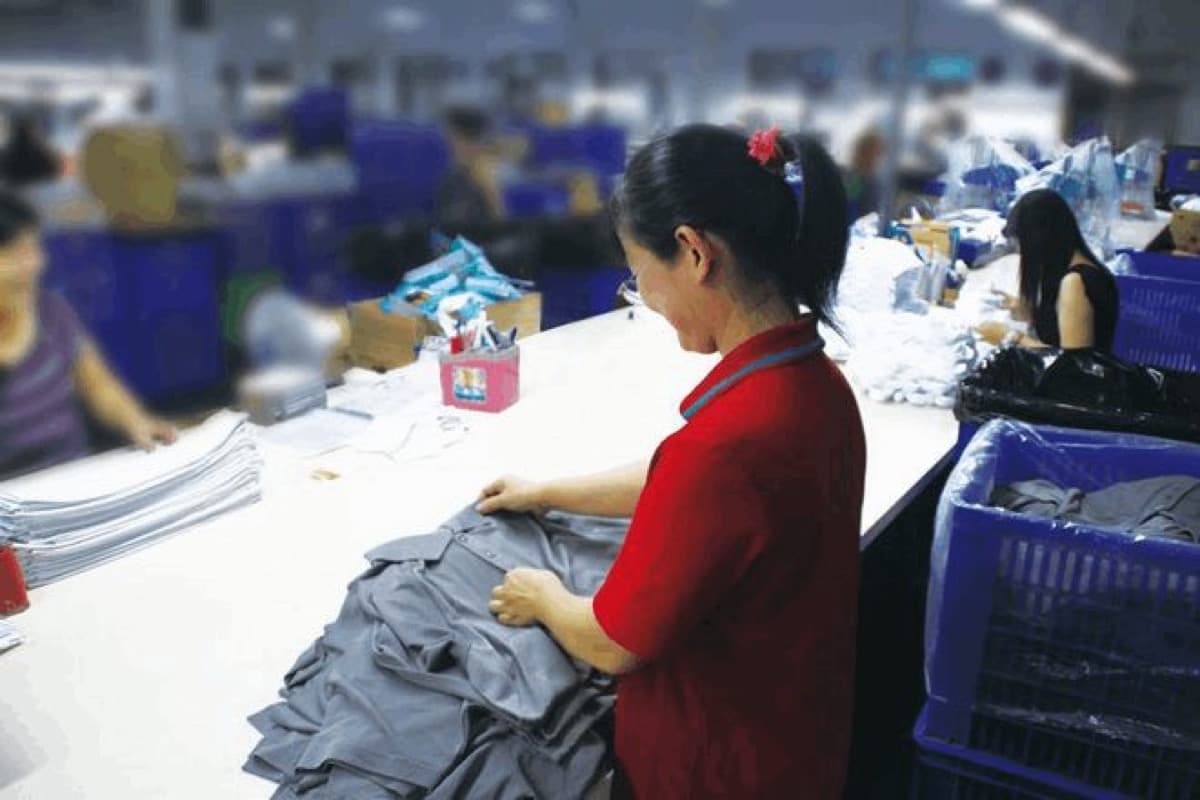
The first-party inspection involves the manufacturing house self-assessing the product's quality. The second-party inspection is undertaken by the buyer or the buyer's in-house quality examination team. Third-party checks are performed by an independent company to verify the quality claims. The third-party inspection contractors are generally hired by the buyers to ensure that the product specifications match its standards. Buyers utilize autonomous inspection service providers to validate that the manufacturing process meets international standards in terms of the quality management system, environmental management, and corporate social responsibility. Since they provide an impartial perspective on the quality of the goods, most companies find hiring a third-party inspector a justifiable expense.
Independent and Impartial Analysis
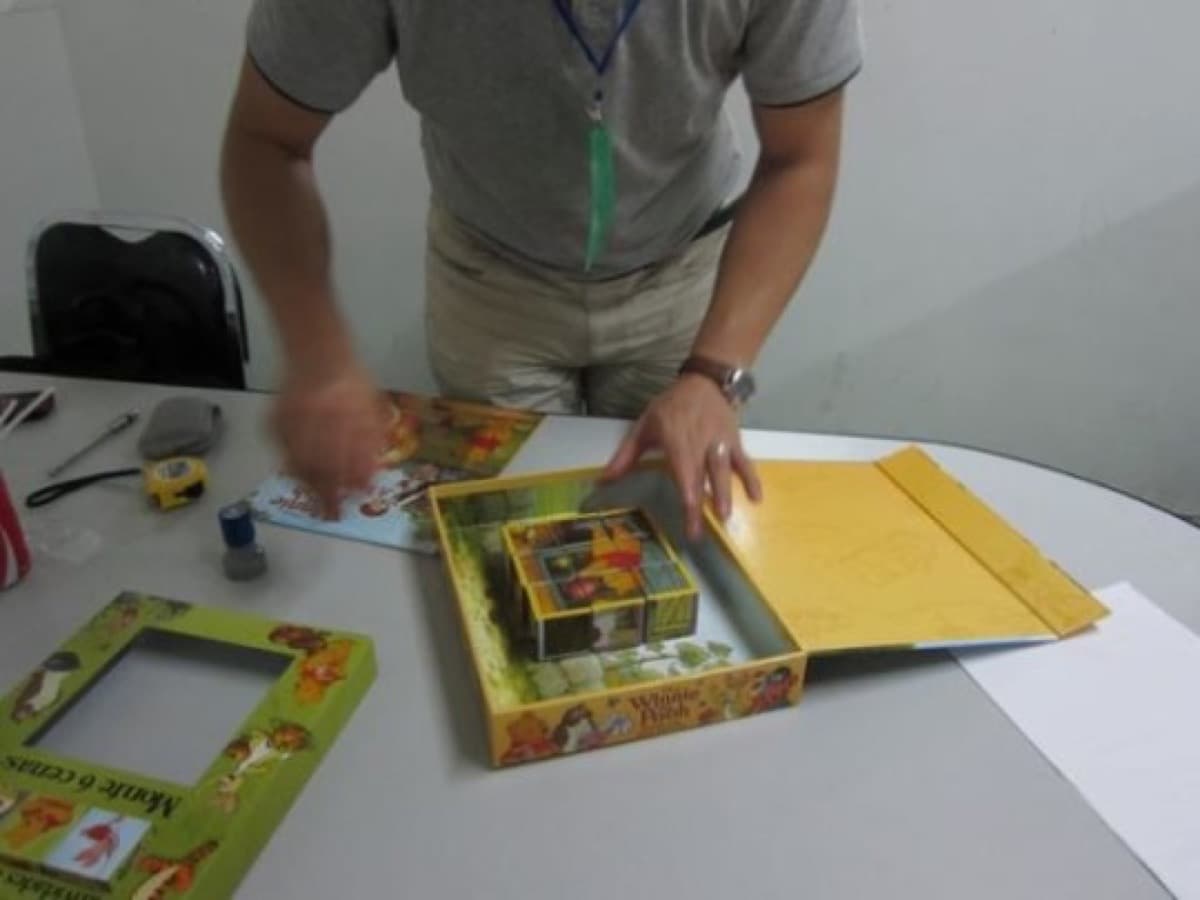
Third-Party Inspection (TPI) is the assessment and the inspection of services conducted by a 3rd party quality company. The purpose of getting the product or service examined by a third is to ensure the compliance of purchased products or services to the international code of standard, customer specifications, and environmental norms. The process involves inspection during and after the product's manufacturing or the rendering of the said service. A third-party inspection company in India or Asia usually provides the following services.
- Technical control and support
- Testing and inspection
- Unbiased scrutiny
- Approval services
A third-party inspection company provides around-the-clock assessment services to its clients. The inspections performed by third parties are certified. A TPI enterprise team is experienced, well-trained, and specialized in either a few or multiple product categories.
What Are the Benefits of Using a Third-Party Inspection Company?
Importers and business organizations can gain the following advantages if they employ the services of a third-party Inspection Service Provider.
- Effortless communication: The client manager provided by a third-party quality control company is less likely to misunderstand the expectations prescribed by importers. Individuals appreciate the presence of a reliable figure that can comprehend the standard specifications and implore the suppliers to deliver the right product.
- Cost-effective and efficient: TPI is more commercial than alternate modes of inspection since self-examination can require travel abroad to gauge the quality of the product. However, 3rd party quality companies have local experts stationed at various locations to assist their clients with standard testing. It improves operational efficiency and guarantees certified product delivery.
- Better consumer relations: The relationship between a supplier and an importer is based on the thread of trust. The importer keeps faith in the supplier for the delivery of quality goods while the seller cannot receive any feedback until the buyer sees the product and reviews it. The time lag and miscommunication can turn the relationship sour. Therefore, a third-party contractor acts as a mediator and improves consumer relations by giving unbiased feedback.
- Preventing a disparity between expectations: The level of transparency is limited between a supplier and an importer. TPI eliminates the problems by placing your expectations upfront before the commencement of the production process. By employing a third-party supervisor, a supplier can exert a guarantee under the following situations.
- a. Verify with the customer the actual terms of the contract and exhibit the condition and status of the production process.
- b. Gather immediate feedback from the buyer related to non-conformity or violation of any code standard or specifications.
- c. Foster a relationship based on faith and trust.
The inspectors will ensure that the factors mentioned above are carefully examined, and the verification is undertaken most professionally.
- Avoiding order withdrawal: Suppliers and buyers prevent the shipment of substandard goods since it induces inconvenience on both sides. Importers will not tolerate a consignment of products with defective pieces because it hurts their supply chain and relationship with the clients. Therefore, they often tend to charge the suppliers heftily for faulty items exceeding the prescribed number. Third-party inspection companies assist suppliers in mitigating losses on the grounds of product rejection.
Re-iteration of these aspects is significant to establish the vitality of 3rd party quality control companies. Importers and suppliers must build a chain of trust. However, the uninterrupted delivery of superior quality products is guaranteed by independent contractors who try to make ends meet and assist their clients by working around the clock.
When Should You Hire a Third-Party Inspection Company?
There can be several instances when companies require the services of a third-party inspector. Business owners continuously face a dilemma as they struggle to outsource inspection to a random company. However, we have enlisted the situations where your company will require the assistance of a 3rd party inspection company.
- Enterprises must employ the services of a third-party inspection organization when working with new suppliers. The experts retained by the company are well-versed in multiple product categories. Evaluating the acceptable standards of the product offered by a new supplier will be an easy task.
- If your in-house quality verification team is falling short on the benchmark results, you need a third-party inspection company to remove the inefficiency.
- If your enterprise purchases premium items, including high-end electronics or industrial equipment, you will need hands-on experts in your corner to examine the quality and technical specifications of the goods delivered.
- Experts advise that it is better to assess the goods at different stages during production than to solve the issues with the supplier when the product is already shipped. It is less costly and convenient on both ends. Repeated product quality issues reflect flaws in the production chain, which require immediate rectification and the unbiased eye of a third-party inspector.
Business owners must realize that it is less costly to employ an autonomous 3rd party inspection services than to have the entire shipment of goods revoked. Independent quality inspectors examine the product with a bird's eye view and provide a completely impartial evaluation. Since they are familiar with the technical specifications of multiple product categories, proprietors must put pre shipment inspection companies on retainers. Should there arise the necessity of a third-party quality control inspector, you can contact Tetra Inspection with your requirements.
Tetra Inspection Coverage:
You can use Tetra Inspection services across 40 countries, Tetra Inspection has been nominated as the best 3rd party inspection Pakistan in 2020.
Contact us today for one-stop quality control solutions.
How to Evaluate a Third-Party Inspection Company
Choosing the right third-party inspection company requires careful evaluation beyond just price comparison. Start by checking whether the company follows internationally recognized inspection standards and methods — such as ISO 17020 inspection principles and ISO 2859-1 AQL sampling — supported by experienced inspectors and a proven track record. Check the company's geographic coverage to ensure they have local inspectors in your supplier's region, as this reduces travel surcharges and enables faster scheduling.
Review sample inspection reports to assess the depth and clarity of their reporting. A quality report should include high-resolution photographs of defects, clear AQL pass/fail determinations, detailed test results, and actionable recommendations. Ask about their inspector training program and whether inspectors have industry-specific expertise relevant to your product category.
Evaluate their technology platform — modern inspection companies offer online booking, real-time inspection tracking, digital report delivery within 24 hours, and historical data dashboards that help you identify quality trends across suppliers and production runs. Additionally, inquire about the company's inspector recruitment and vetting process — the best firms require inspectors to pass product-category-specific certification exams and conduct regular performance reviews based on client feedback.
The True Cost of Skipping Third-Party Inspection
Many importers view third-party inspection as an optional expense rather than a necessary investment. However, the cost of quality failures far exceeds the cost of prevention. A single container of defective products can result in $10,000-$50,000 or more in losses when you factor in return shipping, replacement production, customer refunds, lost sales during stockouts, and long-term brand damage. A pre-shipment inspection costing $268-$400 provides substantial insurance against these far larger losses and protects your brand reputation long-term.
Frequently Asked Questions About Third-Party Inspection
What is the difference between first-party, second-party, and third-party inspection?
First-party inspection is conducted by the manufacturer themselves (self-inspection). Second-party inspection is performed by the buyer or their internal QC team. Third-party inspection is carried out by an independent company with no financial stake in the transaction, providing the most objective assessment.
When should I schedule a third-party inspection?
The optimal timing depends on your quality risk profile. For standard consumer goods, a Pre-Shipment Inspection (PSI) when 80-100% of production is complete is the most common choice. For complex products, add a During Production Inspection (DPI) at 20-60% completion to catch issues early.
How do third-party inspectors determine if a shipment passes or fails?
Inspectors use the AQL (Acceptable Quality Limit) sampling system based on ISO 2859-1. They randomly select a statistically representative sample and classify defects as critical, major, or minor. The shipment passes if defects fall within the acceptance number defined by your chosen AQL levels.
Can a third-party inspection company help with supplier negotiations?
While inspection companies do not directly negotiate, their detailed reports serve as powerful negotiation tools. Documented evidence of defects — with photographs, measurements, and AQL data — gives you leverage to request rework, price adjustments, or replacement production.
About the Author
Mohamed Afilal
Founder & CEO, Tetra Inspection
Mohamed Afilal is the Founder and CEO of Tetra Inspection, with over 10 years of experience in quality control and supply chain management across Asia, Europe, and Africa. He has personally overseen thousands of product inspections and factory audits, helping importers, retailers, and e-commerce brands safeguard product quality at the source.
LinkedInNeed Help With This?
Our inspectors handle this across 45+ countries with 48-hour scheduling.
Get Inspection Insights
Monthly quality tips and industry data.