Mattress inspection is a third-party quality control check carried out at the factory before shipment, in which an inspector pulls random samples from your order and tests them against your specifications and the relevant safety standards — firmness consistency, foam and coil quality, stitching and edge support, sizing, off-gassing, labelling and fire resistance. It confirms your mattresses are safe, durable and free of defects before you pay the balance and the goods leave the factory.
Inspecting mattresses is an essential step for manufacturers, buyers, and brands to ensure they're sourcing top-notch products that align with industry standards and meet customer expectations. As global sourcing becomes more prevalent, having a solid quality control process through thorough inspections is vital for staying competitive in the mattress market.
For businesses involved in mattress sourcing, grasping the inspection process and upholding strict quality standards can greatly enhance customer satisfaction and contribute to the overall success of their products. This guide will delve into all aspects of mattress inspection, emphasizing quality control procedures for both manufacturers and buyers, to guarantee that products uphold the highest standards from production all the way to shipment.
What is Mattress Inspection?
Mattress inspection plays a vital role in quality control throughout the production process, ensuring that the final product aligns with both design specifications and industry standards. This process is all about spotting any defects, inconsistencies, or issues related to materials, craftsmanship, and overall performance before the mattress makes its way to customers or retailers.
Typically, the inspection process unfolds in several stages, starting with an assessment of initial production check samples to confirm that the materials and construction meet the necessary standards. As production continues, inspectors carry out regular checks to maintain consistency and catch any potential defects early on. Finally, just before shipping, a pre-shipment inspection services guarantees that the mattress meets all specifications and is ready for delivery.
The main goal of mattress inspection is to minimize defects and lower the chances of returns or customer dissatisfaction, while also ensuring compliance with safety standards, like fire resistance and hypoallergenic materials. For manufacturers, thorough inspections help streamline production, avoid costly errors, and boost the overall quality of the product. For buyers, it offers peace of mind, knowing that the mattress they're considering has undergone rigorous testing and meets high-quality standards, ensuring both comfort and durability.
Common Mattress Quality Issues
When it comes to the quality of mattresses, there are several factors that can really affect their performance, comfort, and longevity. For both manufacturers and buyers looking to import mattresses from abroad, it's crucial to grasp these issues from the start to steer clear of expensive returns and unhappy customers. Here's a handy guide to some common mattress quality concerns you should keep an eye on, along with tips on how to tackle them during your inspection process:
1. Inconsistent Firmness Levels
A good mattress should offer consistent support across its entire surface. When the firmness changes from one spot to another, it can cause discomfort and ruin your sleep. This problem often happens when the materials inside the mattress are unevenly spread out, or when the springs and foam layers aren't properly layered or compressed.
2. Material Defects
When it comes to mattresses, low-quality foam, faulty coils, and poorly treated fabrics are some of the most common culprits behind material issues. Not only can these flaws lead to an uncomfortable sleeping experience, but they can also cause the mattress to wear out faster than you'd expect.
3. Uneven Stitching or Poor Craftsmanship
If the stitching on your mattress is uneven or loose, it can cause the components to fall apart sooner than expected. This problem might also indicate a lack of quality in the craftsmanship. To ensure durability over time, mattress covers, seams, and stitching need to be made to high standards.
4. Inaccurate Sizing
Mattress sizing discrepancies can lead to customer dissatisfaction when the product doesn't fit into the intended bed frame. While this issue is often caused by human error during production, it can also result from inaccurate material cutting or inconsistent measurements.
5. Insufficient Edge Support
If a mattress doesn't have good edge support, it can start to sag around the edges. This not only makes the mattress less comfortable but can also lead to structural issues down the line.
6. Off-Gassing or Chemical Odors
Some mattresses, especially those made from synthetic foams or treated materials, may emit unpleasant odors (off-gassing). These odors can be harmful to health and deter customers from keeping the product.
7. Uneven or Poorly Dispersed Weight Distribution
A mattress should evenly distribute the weight of a person sleeping on it. If a mattress is too soft in certain areas or too firm in others, it can lead to discomfort and pressure points.
8. Durability
A common issue is mattresses that show signs of wear and tear too quickly. This may include compression, lumps, or broken coils. Low-quality components or poor construction techniques are usually to blame.
Mattress Quality Control Process
The mattress quality control process is all about making sure that every mattress we produce meets the highest quality standards, ensuring they're safe, durable, and comfy for our customers. This process is vital for catching any defects, sticking to regulations, and fulfilling what our customers expect. Here's a look at the key stages in the mattress quality control process:
2. Initial Production Check (IPC)
The Initial Production Check (IPC) is a critical first step in our quality control journey. Our inspectors make sure that everything from production setups to processes aligns with the necessary quality standards before we kick off mass production.
Sample Evaluation: Our team takes a close look at the first batch of mattresses to confirm they meet the design specifications. We examine everything, from the quality of the fabric and stitching to the overall construction. If we spot any issues, we collaborate with the manufacturer to make adjustments right away, which helps us avoid problems down the line.
Material Verification: Our inspectors thoroughly check the quality of materials like fabrics, foam, elastics, and trims. We ensure everything is consistent and complies with safety regulations, including confirming that there are no harmful chemicals present. This step guarantees that only top-notch materials go into making each mattress.
The mattress quality control process ensures that each mattress produced meets the required quality standards and is safe, durable, and comfortable for consumers. This process is essential for preventing defects, ensuring compliance with regulations, and meeting customer expectations.
Below are the key stages involved in the mattress quality control process:
2. During Production Inspection (DPI)
The during production inspection (DPI) is a crucial step where we keep a close eye on the mattress manufacturing process to catch any defects early on. Our inspectors make regular visits to the production site, conducting ongoing checks to ensure that quality remains consistent.
Ongoing Quality Checks: Our inspectors carry out random spot checks on the mattresses being produced. We take a good look at the stitching, fabric quality, and overall construction to spot any defects before they can spread. If we find any issues, we give immediate feedback to the manufacturer and recommend corrective actions.
Process Monitoring: Our team is dedicated to monitoring the production processes, making sure that everything is running according to the established guidelines. We keep an eye on material handling, production schedules, and machinery settings to ensure that production flows smoothly and consistently. If we notice any deviations, we collaborate with the manufacturer to address them right away.
Defect Identification: Any problems, like stitching defects, fabric defects, or structural inconsistencies, are quickly identified and documented. Our inspectors communicate directly with the production team to suggest swift corrective measures, helping to avoid costly rework or waste.
3. Pre-Shipment Inspection (PSI)
Once the mattresses are fully manufactured, we conduct a Pre-Shipment Inspection (PSI) to ensure that all products meet the required specifications and are ready for delivery. This final inspection is crucial to verify that all mattresses comply with quality standards before they leave the production facility.
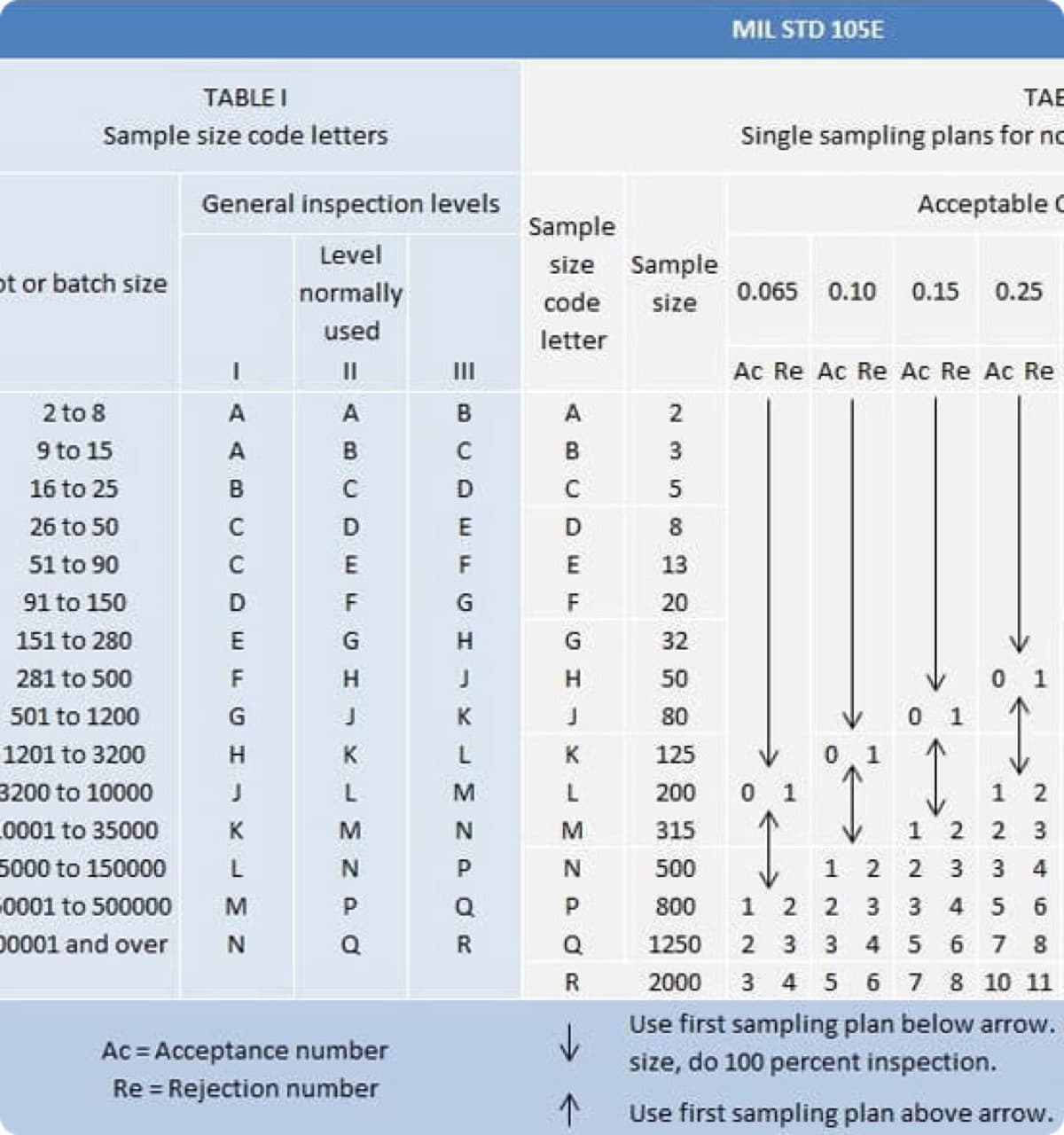
- Workmanship AQL (Acceptable Quality Level): Our inspectors randomly select a sample of mattresses for thorough examination. We follow the AQL standards to ensure that the sample represents the overall batch's quality. Any defects found in the sample will trigger a more extensive review of the remaining mattresses in the batch.
- Compliance Check: We ensure that the mattresses meet all regulatory requirements, including fire safety standards, proper labeling, and environmental compliance. Our inspectors verify that all required certifications are present and that the products meet local and international standards.
- Quality and Quantity Check: During PSI, our team checks that the quantity of mattresses matches the order specifications and that there are no discrepancies in product quality. We examine each mattress for any defects and ensure they are ready for shipment, providing manufacturers with the confidence that their products will arrive in perfect condition.
- Packaging Inspection: We inspect the packaging to ensure it properly protects the mattress during transit. Our team checks for the proper labeling, barcoding, and the use of adequate packaging materials. A well-packaged mattress ensures that the product reaches its destination without damage.
Testing and Performance Standards for Mattresses
Here are the six most important international standards for mattresses, focusing on safety, quality, and performance:
ISO 12952 – Flammability Testing
This standard assesses how flammable mattresses are, making sure they can withstand fire hazards. It's crucial for safety, especially in places like the EU, where fire safety is a top priority for mattress makers.
OEKO-TEX® Standard 100
This certification guarantees that mattresses and their materials are free from harmful chemicals and toxins. It's especially important for the safety of vulnerable groups, like children and those with allergies.
BS 7177 – UK Fire Safety Standard
A standard specific to the UK, it ensures that mattresses meet rigorous fire resistance criteria. It addresses both smoldering and open-flame resistance to keep consumers safe from fire-related incidents.
CertiPUR-US® (Foam Standard)
This certification applies to polyurethane foams, ensuring they are safe, emit low levels of harmful substances, and are free from chemicals like formaldehyde. It guarantees that the foam in mattresses is safe for indoor use.
California Bureau of Home Furnishings & Thermal Insulation Regulations
These stringent U.S. fire safety regulations require mattresses to pass flammability tests when exposed to an open flame, ensuring top-notch fire protection.
ISO 9001 – Quality Management Systems
This standard focuses on maintaining consistent quality control during the mattress manufacturing process, ensuring that products meet customer expectations for durability, safety, and overall performance.
These standards play a vital role in making sure that mattresses are safe, durable, and comfortable for consumers worldwide.
Mattress Quality Control by Tetra Inspection
Tetra Inspection provides expert quality control services for mattresses, ensuring compliance with international standards. Our global network of experienced inspectors conducts detailed inspections throughout the production process, from raw materials to final product. We focus on key areas such as durability, flammability, and safety to ensure your mattresses meet regulatory requirements.
With extensive knowledge of mattress industry standards, we help safeguard your brand's reputation by delivering reliable and accurate inspections. Contact us today to learn how we can assist with your mattress quality control needs.
Mattress Inspection Checklist at a Glance
Use this quick-reference table to match each mattress inspection check to the defect or risk it is designed to catch:
| Inspection check | What it verifies | Why it matters |
|---|---|---|
| Firmness & support | Consistent feel across the surface | Catches uneven foam layering and poor sleep quality |
| Foam & coil quality | Material density, resilience and coil integrity | Prevents premature sagging and lumps |
| Stitching & seams | Even, secure stitching on covers and borders | Confirms durable craftsmanship |
| Edge support | Resistance to sagging at the perimeter | Protects the usable sleep surface and structure |
| Sizing & dimensions | Length, width and height vs. spec | Avoids bed-frame fit complaints and returns |
| Off-gassing & odour | Chemical smell from foams and treatments | Signals VOC issues and harmful chemicals |
| Fire safety | Flammability vs. BS 7177, 16 CFR 1633 and ISO 12952 | Meets legal fire-resistance requirements |
| Labelling & packaging | Law tags, fibre content, barcodes and protection | Ensures compliance and damage-free transit |
Inspectors apply these checks to a random sample sized with the AQL sampling tables (ISO 2859-1), then report the results — with photos — in a pre-shipment inspection report, typically within 24 hours.
How to Choose Mattress Inspection Companies
When comparing mattress inspection companies, look for an independent third-party provider — not one tied to your supplier — with inspectors based in your manufacturing region, documented experience across foam, spring and hybrid mattresses, and clear photo reporting. Confirm they sample to recognised standards such as ISO 2859-1 (AQL), test against the fire-safety regulations of your destination market, and deliver a detailed report fast enough for you to act before the balance payment. As a fully independent third-party network with inspectors across 45 countries and 32,500+ inspections completed, Tetra Inspection delivers detailed mattress inspection photo reports within 24 hours.
Frequently Asked Questions
What is mattress inspection?
Mattress inspection is a third-party quality control check carried out at the factory before shipment. An inspector pulls random samples from your order and tests them against your specifications and the relevant safety standards — checking firmness consistency, foam and coil quality, stitching, edge support, sizing, off-gassing and fire resistance — so you know the mattresses are safe, durable and defect-free before you pay the balance and the goods leave the factory.
What do mattress inspection companies check?
During a mattresses inspection, inspectors verify firmness and support consistency, foam density and coil integrity, the quality of stitching and seams, edge support, sizing against the order specification, any off-gassing or chemical odour, fire-safety compliance, and correct law-tag labelling. They also confirm quantity, packaging and barcoding, and apply AQL sampling so the inspected sample reliably represents the whole batch.
What are the most common mattress defects?
The most common mattress defects are inconsistent firmness, material flaws in foam or coils, uneven or loose stitching, inaccurate sizing, weak edge support, off-gassing odours, poor weight distribution and premature wear such as sagging or lumps. Most of these are caught early when an inspection is run during production rather than only at the pre-shipment stage.
When should mattresses be inspected?
Schedule a pre-shipment mattress inspection once at least 80% of the order is produced and packed in export cartons, so the inspector checks units that represent what will actually ship. For larger or higher-risk orders, add an initial production check and a during-production inspection to catch material or construction defects early, while the factory still has time to correct them before final packing.
What fire-safety standards apply to mattresses?
Fire safety is one of the most regulated areas of mattress quality. Mattresses sold in the UK must meet BS 7177, those entering the US must pass the federal open-flame standard 16 CFR Part 1633 (and California TB 117/603 for furnishings), and ISO 12952 covers ignitability testing internationally. An inspection confirms the mattresses you import carry the right certifications and meet the fire-resistance rules of your destination market.
Frequently Asked Questions
What is mattress inspection?
Mattress inspection is a third-party quality control check carried out at the factory before shipment. An inspector pulls random samples from your order and tests them against your specifications and the relevant safety standards — checking firmness consistency, foam and coil quality, stitching, edge support, sizing, off-gassing and fire resistance — so you know the mattresses are safe, durable and defect-free before you pay the balance and the goods leave the factory.
What do mattress inspection companies check?
During a mattresses inspection, inspectors verify firmness and support consistency, foam density and coil integrity, the quality of stitching and seams, edge support, sizing against the order specification, any off-gassing or chemical odour, fire-safety compliance, and correct law-tag labelling. They also confirm quantity, packaging and barcoding, and apply AQL sampling so the inspected sample reliably represents the whole batch.
What are the most common mattress defects?
The most common mattress defects are inconsistent firmness, material flaws in foam or coils, uneven or loose stitching, inaccurate sizing, weak edge support, off-gassing odours, poor weight distribution and premature wear such as sagging or lumps. Most of these are caught early when an inspection is run during production rather than only at the pre-shipment stage.
When should mattresses be inspected?
Schedule a pre-shipment mattress inspection once at least 80% of the order is produced and packed in export cartons, so the inspector checks units that represent what will actually ship. For larger or higher-risk orders, add an initial production check and a during-production inspection to catch material or construction defects early, while the factory still has time to correct them before final packing.
What fire-safety standards apply to mattresses?
Fire safety is one of the most regulated areas of mattress quality. Mattresses sold in the UK must meet BS 7177, those entering the US must pass the federal open-flame standard 16 CFR Part 1633 (and California TB 117/603 for furnishings), and ISO 12952 covers ignitability testing internationally. An inspection confirms the mattresses you import carry the right certifications and meet the fire-resistance rules of your destination market.
About the Author
Mohamed Afilal
Founder & CEO, Tetra Inspection
Mohamed Afilal is the Founder and CEO of Tetra Inspection, with over 10 years of experience in quality control and supply chain management across Asia, Europe, and Africa. He has personally overseen thousands of product inspections and factory audits, helping importers, retailers, and e-commerce brands safeguard product quality at the source.
LinkedInNeed Help With This?
Our inspectors handle this across 45+ countries with 48-hour scheduling.
Get Inspection Insights
Monthly quality tips and industry data.