When it comes to sports equipment, the stakes are high. A product's performance directly affects an athlete's safety, making quality control (QC) a non-negotiable part of manufacturing. Whether it's a football helmet designed to absorb impacts or a cycling helmet that must protect against falls, the materials, design, and manufacturing processes must be flawless. Any lapse in quality could lead to failures that compromise not just performance, but lives.
Quality control in sports equipment isn't just about passing inspections. It's about understanding the nuances of performance, durability, and safety under real-world conditions. Below, we dive into the rigorous tests and standards that make QC in sports equipment manufacturing so critical.
Why is Quality Control So Important for Sports Equipment?
Every piece of equipment must withstand intense conditions, from high-speed impacts to extreme temperatures. A failure could mean the difference between a victory and a career-ending injury.
Take football helmets, for example. Poorly manufactured helmets may fail to absorb impacts adequately, leaving players vulnerable to concussions. This is not just a safety issue. It's a legal and reputational one for manufacturers. Similarly, fitness equipment such as treadmills or gym machines must endure constant use without failure. The consequence of neglecting QC isn't just loss of business, it's potential lawsuits or recalls that harm both athletes and the company's brand.
Signs a Sporting Goods Company Invests in Quality Control
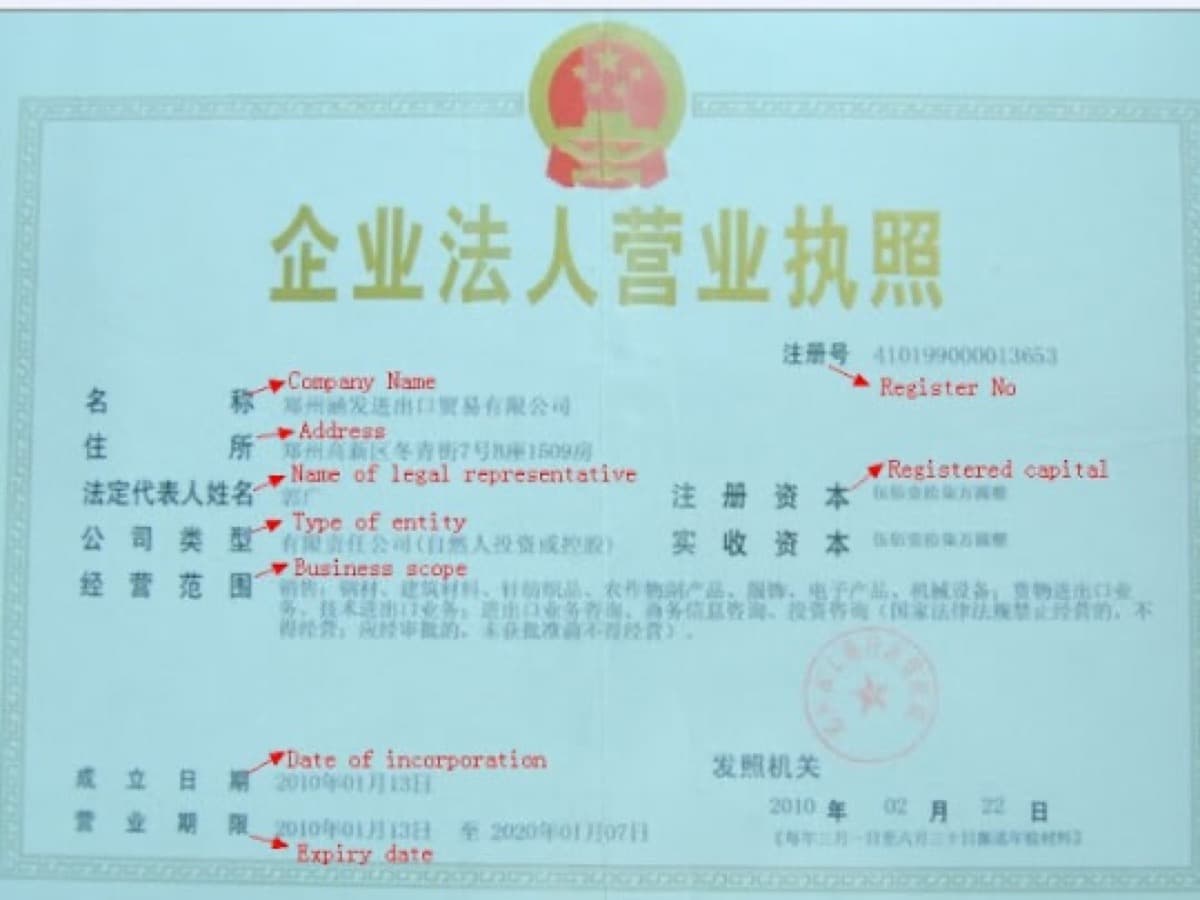
Not every supplier that says “we do QC” actually backs it up. When you are vetting a sporting goods manufacturer or comparing sports equipment inspection companies, these are the concrete signs that quality control is built into the operation rather than bolted on at the end:
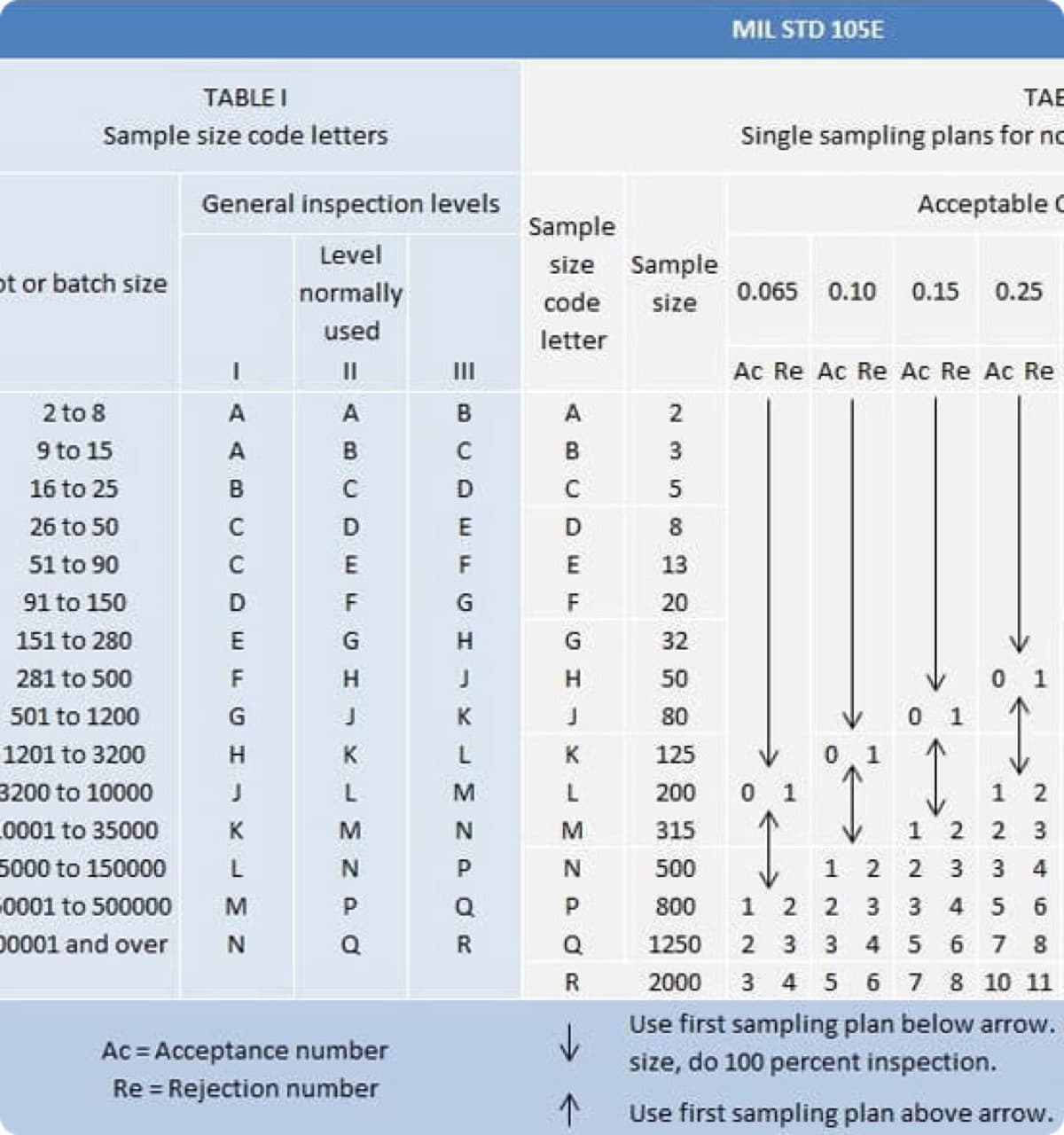
- Written inspection criteria and an agreed AQL. Each production lot is accepted or rejected against a documented AQL sampling plan — not a subjective “looks fine” judgement.
- In-process checks, not just a final look. Quality is verified at incoming materials, during production and pre-shipment, so defects are caught while there is still time to correct them.
- Lab and performance test records. The factory can produce impact, durability and material test reports tied to recognised standards such as ISO, ASTM and CE, plus the certificates required for the destination market.
- Traceability. Materials, batches and suppliers are documented, so a defect can be traced to its source rather than guessed at.
- Independent third-party inspection. The company is willing to let an independent inspector verify the goods before the balance is paid, instead of relying only on self-reported results.
- Corrective-action follow-through. A defect triggers a documented root-cause fix, not a one-off rework that lets the same issue recur.
A supplier that meets most of these signs is genuinely investing in quality; one that meets none is shipping on hope. An independent inspection is the fastest way to verify which one you are dealing with.
The Essential Tests Every Sports Equipment Must Pass
Testing is the backbone of quality control in sports equipment. Each product must undergo a series of tests to prove it meets the necessary standards. Here are the core tests that ensure safety and performance.
Durability Testing
Sports equipment isn't a one-time-use product; it must endure repeated use under extreme conditions. Durability testing pushes equipment to its limits, whether that means testing a football helmet's ability to withstand repeated hits or ensuring a kayak can handle rocky waters and prolonged sun exposure. This process simulates real-world stressors, ensuring that the equipment will maintain its performance and integrity over time.
Performance Testing
Testing performance ensures that the equipment performs as intended under the specific conditions of its use. For example, a basketball must bounce predictably on a hard surface, while a tennis racket needs to provide the correct level of tension for responsive play. Performance testing is not just about the equipment's functionality; it's about consistency and reliability. Manufacturers test these products to ensure athletes can perform without worrying about faulty gear.
Material Testing
The materials used in sports equipment are crucial for both safety and performance. Whether it's the high-impact plastic in a helmet or the breathable mesh in sneakers, material testing is necessary to confirm that each component will hold up to the demands placed on it. Testing materials also helps identify any potential risks like sharp edges, cracks, or other flaws that could cause injury or malfunction.
Safety Testing
Safety is the foundation of sports equipment quality control. Products must undergo rigorous testing to identify any hazards, be it sharp edges, chemical risks, or other potential safety issues. In high-risk gear like life jackets, ski helmets, or climbing harnesses, safety testing ensures that the equipment will protect users under extreme conditions. Manufacturers must test for things like shock absorption, stability, and comfort to prevent injuries during use.
What Certifications Are Necessary for Sports Equipment?
Certifications are an essential part of ensuring that sports equipment is both safe and of high quality. For manufacturers, obtaining the right certifications not only meets legal requirements but also helps build trust with consumers and ensures their products are ready for global markets.
ISO Certifications
ISO standards are widely recognized globally as the benchmark for quality. ISO 9001, for example, focuses on ensuring that manufacturers maintain consistent quality management systems. Obtaining ISO certification gives customers confidence that the equipment meets international standards for safety, performance, and quality.
ASTM Standards
The American Society for Testing and Materials (ASTM) sets the standard for testing sports equipment in the U.S. Manufacturers who comply with ASTM standards are ensuring that their products meet specific safety, performance, and durability criteria. ASTM standards cover a wide variety of sports gear, from helmets to fitness machines.
CE Marking
For manufacturers selling in Europe, the CE marking is crucial. This certification ensures that the product meets European Union health, safety, and environmental protection standards. It is a legal requirement for many types of sports equipment sold in Europe.
Other Certifications
In addition to ISO, ASTM, and CE, there are other regional certifications that manufacturers might need, depending on where they sell their products. These certifications ensure that the equipment meets local regulations and safety standards.
Types of sports equipment Tetra Inspection Inspects
Tetra Inspection provides comprehensive quality control services for a wide range of sports equipment. Below is a detailed list of the types of sports equipment they inspect, each with an explanation of the types of checks and tests they perform.
- Football helmets
- Shoulder pads
- Mouthguards
- Protective eyewear (goggles, face shields)
- Shin guards
- Gloves (for baseball, football, boxing)
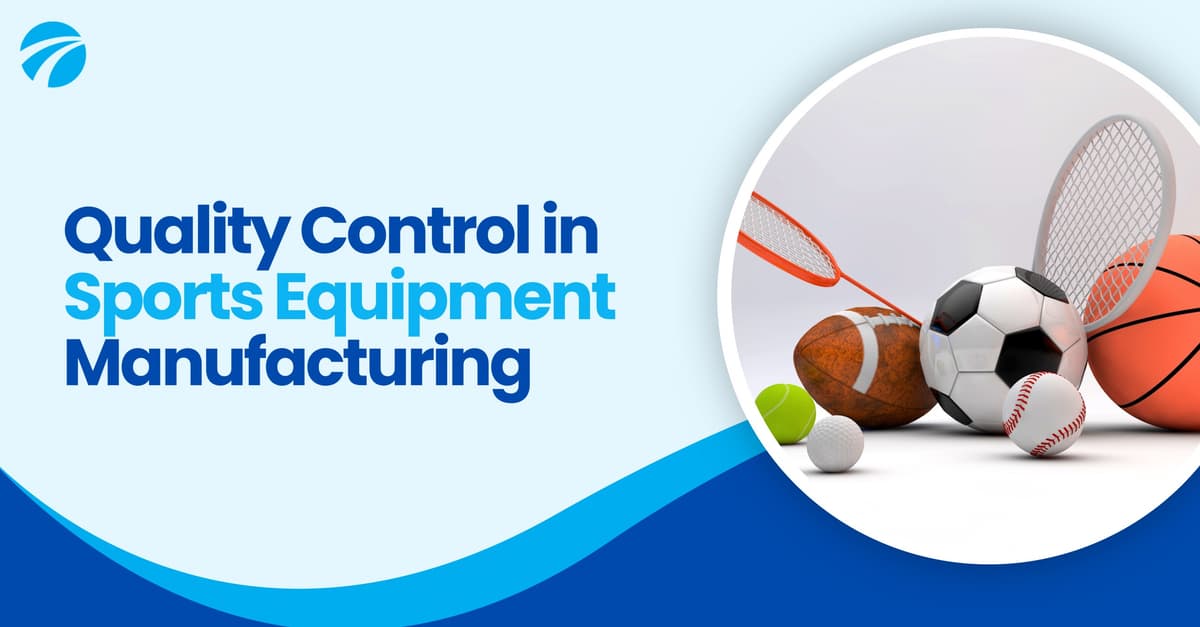
- Balls (footballs, basketballs, tennis balls, soccer balls, volleyballs)
- Bats and sticks (baseball bats, hockey sticks, lacrosse sticks)
- Racquets (tennis, badminton, squash)
- Protective padding (elbow pads, knee pads, padding for hockey)
- Helmets for various sports (cycling, skiing, snowboarding)
- Skateboards and longboards
- Skates (ice skates, roller skates, inline skates)
- Surfboards
- Ski and snowboard equipment
- Gymnastics apparatus (bars, mats, vaults)
- Track and field equipment (hurdles, javelins, pole vaults)
- Climbing gear (harnesses, ropes, carabiners)
- Fishing rods and tackle
- Kayaks and canoes
- Camping gear (tents, sleeping bags)
- Fitness machines (treadmills, resistance machines, exercise bikes)
- Bikes (mountain bikes, road bikes, cycling accessories)
- Water sports equipment (life jackets, paddleboards)
- Playground equipment
How Tetra Inspection Can Help with Sports Equipment Quality Control
Tetra Inspection is a globally recognized quality control inspection services provider ensuring the quality and safety of sports equipment.
We conduct rigorous testing and product inspections to ensure that your sports products meet the required international standards and certifications. Our services cover all aspects of QC, including material testing, durability assessments, safety checks, and compliance with global certification standards such as ISO, ASTM, and CE.
To learn more about our services, contact us today.
Our inspectors operate across Asia, with extensive quality control in China, ensuring fast, reliable inspections wherever your suppliers are located.
Tetra Inspection provides pre-shipment inspection, during production inspection and factory audit services to ensure your products meet the highest quality standards.
Frequently Asked Questions
What are the signs a sporting goods company invests in quality control?
The clearest signs are documented inspection criteria with an agreed AQL, quality checks at the incoming-material, in-production and pre-shipment stages, lab and performance test records tied to ISO, ASTM and CE standards, full material and batch traceability, a willingness to allow independent third-party inspection before payment, and a corrective-action process that fixes the root cause of a defect rather than reworking it once.
What do sports equipment inspection companies check?
Sports equipment inspection companies check durability under repeated stress, performance against the product’s intended use, material quality and safety (sharp edges, shock absorption, chemical compliance), correct sizing and assembly, packaging and labelling, and compliance with the certifications required in the destination market, such as ISO 9001, ASTM and CE marking.
What tests does sports equipment have to pass?
Most sports equipment must pass durability testing (repeated real-world stress), performance testing (consistent function in use), material testing (strength and safety of components) and safety testing (impact absorption, stability and hazard checks). High-risk gear such as helmets, life jackets and climbing harnesses faces the most rigorous impact and load testing.
How do I choose a sports equipment inspection company?
Choose an independent third-party provider with inspectors close to your factories, experience in your specific product category, AQL-based reporting and fast turnaround. Tetra Inspection delivers photo-documented inspection reports within 24 hours across 45 countries, so you can accept or reject a lot on objective evidence before you pay the balance.
Frequently Asked Questions
What are the signs a sporting goods company invests in quality control?
The clearest signs are documented inspection criteria with an agreed AQL, quality checks at the incoming-material, in-production and pre-shipment stages, lab and performance test records tied to ISO, ASTM and CE standards, full material and batch traceability, a willingness to allow independent third-party inspection before payment, and a corrective-action process that fixes the root cause of a defect rather than reworking it once.
What do sports equipment inspection companies check?
Sports equipment inspection companies check durability under repeated stress, performance against the product's intended use, material quality and safety (sharp edges, shock absorption, chemical compliance), correct sizing and assembly, packaging and labelling, and compliance with the certifications required in the destination market, such as ISO 9001, ASTM and CE marking.
What tests does sports equipment have to pass?
Most sports equipment must pass durability testing (repeated real-world stress), performance testing (consistent function in use), material testing (strength and safety of components) and safety testing (impact absorption, stability and hazard checks). High-risk gear such as helmets, life jackets and climbing harnesses faces the most rigorous impact and load testing.
How do I choose a sports equipment inspection company?
Choose an independent third-party provider with inspectors close to your factories, experience in your specific product category, AQL-based reporting and fast turnaround. Tetra Inspection delivers photo-documented inspection reports within 24 hours across 45 countries, so you can accept or reject a lot on objective evidence before you pay the balance.
About the Author
Mohamed Afilal
Founder & CEO, Tetra Inspection
Mohamed Afilal is the Founder and CEO of Tetra Inspection, with over 10 years of experience in quality control and supply chain management across Asia, Europe, and Africa. He has personally overseen thousands of product inspections and factory audits, helping importers, retailers, and e-commerce brands safeguard product quality at the source.
LinkedInNeed Help With This?
Our inspectors handle this across 45+ countries with 48-hour scheduling.
Get Inspection Insights
Monthly quality tips and industry data.