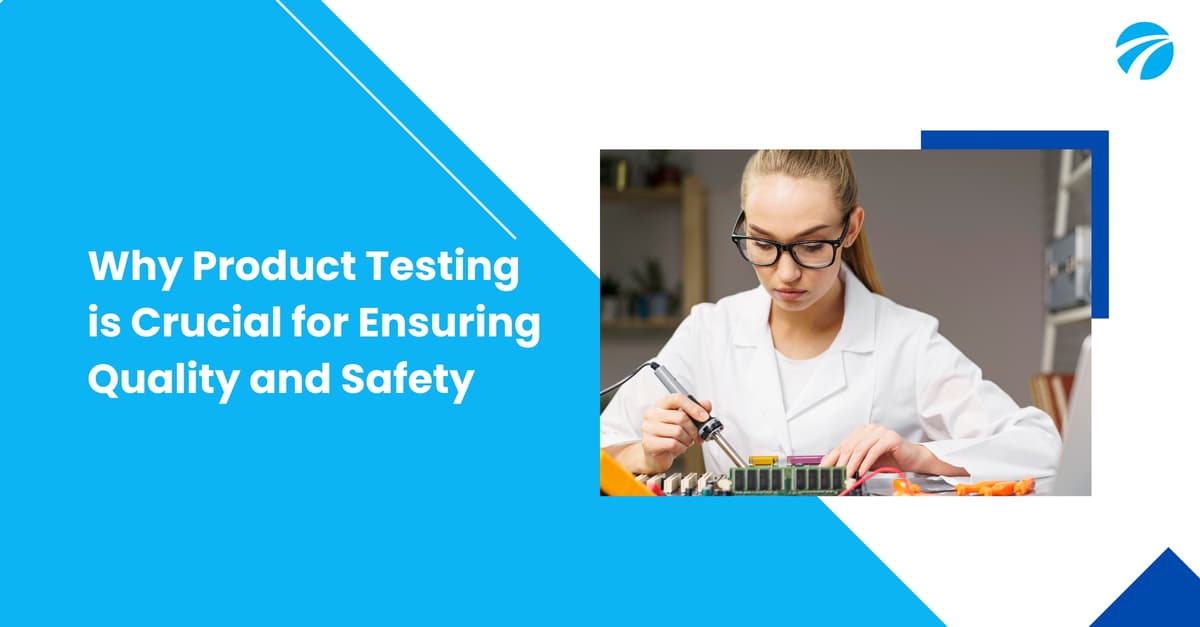
As an importer, manufacturer, or someone who outsources from abroad, you understand the importance of product quality and safety. However, ensuring that your products meet the necessary standards and regulations can be a daunting task. That's where quality control inspection companies come in. In this blog, we'll discuss product testing and the role of quality control inspection companies in ensuring product quality.
Product quality testing at a glance
- What it is: evaluating a product against defined safety and quality standards to confirm it performs as intended and is fit for its market.
- Why it matters: the importance of product safety testing is that it catches hazards and defects before goods ship — preventing recalls, returns, and damage to brand reputation.
- Main types: functional, durability, dimensional, material, and safety & compliance testing, plus category-specific checks (footwear, electronics, textiles, fabric, furniture, bags & accessories).
- Best timing: on incoming materials, during production, and — most importantly — at a pre-shipment inspection when 80–100% of the order is produced and packed.
- How to action it: pair lab testing with a third-party quality control inspection so defects are found at the factory while you still hold the balance payment as leverage.
What is Product Testing?
Product testing is the process of evaluating and assessing products to ensure that they meet the necessary safety and quality standards. Different types of products require different types of testing. For instance, bag and accessories testing, footwear testing, consumer electronics testing, textile and apparel testing, fabric testing, and furniture testing are all essential product testing areas.
The Importance of Product Testing
Product testing is essential to quality control and is crucial for ensuring that products meet safety and quality standards. Here are some reasons why product testing is important:
Ensuring Product Safety:
Product testing can identify potential safety hazards, such as sharp edges or flammable materials, and can help ensure that products meet safety standards and regulations.
Ensuring Product Quality:
Product testing can help identify quality issues, such as poor stitching or faulty wiring, and can help ensure that products meet quality standards and regulations.
Enhancing Brand Reputation:
Products that are consistently high quality and safety can enhance brand reputation and customer trust.
Reducing Risk of Recalls:
Product testing can help identify potential issues before products are released to the market, reducing the risk of costly recalls and negative publicity.
Meeting Customer Expectations:
Customers expect products to be safe, high quality, and reliable. Product testing can help ensure that products meet these expectations and can help prevent customer complaints and returns.
Types of Product Testing
Bag and Accessories Testing
Bags and accessories are tested to ensure that they meet safety and quality standards. Bag testing typically involves evaluating the strength of the bag, the quality of the materials used, and the bag's durability. Accessories such as jewelry and watches are tested to ensure that they meet safety and quality standards; see our guide to jewelry quality control for the specific checks and safety tests involved.
Footwear Testing
Footwear testing is necessary to ensure that the shoes meet the necessary safety and quality standards. Testing typically involves evaluating the slip resistance, wear resistance, and durability of the shoes.
Consumer Electronics Testing
Consumer electronics testing involves evaluating the safety and quality of electronic products such as smartphones, laptops, and tablets. Testing typically consists in evaluating the performance of the product, its safety, and its compliance with regulations.
Textile and Apparel Testing
Textile and apparel testing involves evaluating the safety and quality of clothing and other textile products. Testing typically consists in evaluating the fabric's strength, colorfastness, and resistance to shrinkage.
Fabric Testing
Fabric testing is necessary to ensure that the fabric meets the necessary safety and quality standards. Testing typically involves evaluating the fabric's strength, colorfastness, and durability.
Furniture Testing
Furniture testing is necessary to ensure that the furniture meets the necessary safety and quality standards. Testing typically involves evaluating the strength of the furniture, the quality of the materials used, and the furniture's durability.
Pet Product Testing
Pet products — toys, food and treats, collars, leashes and bedding — need their own safety and durability checks; see our guide to pet product quality control for the chemical, mechanical and pet food inspection tests involved.
Meeting Quality Requirements, Regulations, and Standards Through Product Testing
Product testing is an essential component of ensuring that products meet quality requirements, regulations, and standards. Here are some reasons why:
Meeting Quality Requirements:
Product testing can help identify defects and ensure that products meet quality requirements. By performing tests such as durability, performance, and functionality testing, manufacturers can ensure that their products meet the necessary quality standards before they reach the market.
Complying with Regulations:
Regulations and standards vary by product category, country, and region. Product testing can help ensure compliance with relevant regulations and standards, such as those set by the Consumer Product Safety Commission (CPSC), the European Union (EU), and the International Organization for Standardization (ISO).
Improving Product Safety:
Product testing can help identify potential safety hazards and ensure that products meet safety standards and regulations. This is particularly important for products that are intended for use by children or in potentially hazardous environments.
Protecting Brand Reputation:
Products that meet quality requirements, regulations, and ISO Standards can help enhance brand reputation and customer trust. In contrast, products that fail to meet these requirements can result in costly recalls and damage to brand reputation.
Ensuring Consumer Confidence:
Consumers expect products to be safe, reliable, and high quality. By performing product testing, manufacturers can ensure that their products meet these expectations and build consumer confidence.
Product Testing Services by Tetra Inspection
At Tetra Inspection, we offer product testing services to help importers and manufacturers ensure that their products meet quality requirements, regulations, and standards. We inspect a variety of product categories, including Furniture, Textiles & Garments, Footwear, Bags & Accessories, and more.
Our team of highly experienced inspectors located in 44 countries provides a range of inspection services, including pre-shipment inspection services, during production inspection, initial production check, and Container Loading Check. We also offer short-notice inspection within 12-24 hours and same-day inspection report delivery.
Our expertise in product testing helps to ensure that products are safe and compliant with relevant regulations and standards. We identify defects and help importers and manufacturers improve the overall quality of their products before they reach the market. By working with Tetra Inspection, you can rest assured that your products meet quality requirements and comply with relevant regulations and standards.
To learn more about our tailored product testing services, contact us today!
Frequently Asked Questions About Product Testing
What is product testing?
Product testing is the process of evaluating and assessing a product against defined safety and quality standards to confirm it performs as intended and is fit for its market. It covers checks such as durability, performance, functional, material, dimensional and safety testing, and is often combined with on-site quality control inspection so defects are caught before goods are shipped.
Why is product testing important?
Product testing is important because it protects consumers and your brand. It identifies safety hazards before products reach buyers, confirms products meet quality requirements and regulations, reduces the risk of costly recalls and returns, and builds customer trust. For importers, testing combined with a pre-shipment inspection is the last point at which you can require rework while you still hold the balance payment as leverage.
What is the difference between product quality testing and product safety testing?
Product quality testing verifies that a product meets its specifications and performs reliably — checking workmanship, durability, function and dimensions. Product safety testing focuses specifically on whether the product is safe to use, screening for hazards such as sharp edges, choking parts, toxic substances or electrical faults and confirming compliance with safety regulations. A complete program covers both.
What are the main types of product testing?
Common types include functional and performance testing, durability and wear testing, dimensional and material testing, safety and compliance testing, and category-specific checks such as bag and accessories testing, footwear testing, consumer electronics testing, textile and apparel testing, fabric testing and furniture testing. The right mix depends on the product category and the regulations of the destination market.
When should product testing be carried out?
Testing should happen at multiple stages — on incoming raw materials, during production, and on the finished goods before shipment. The highest-leverage point is a pre-shipment inspection when 80–100% of the order is produced and packed, because it lets you confirm quality and require rework before you release the balance payment and the goods leave the factory.
Frequently Asked Questions
What is product testing?
Product testing is the process of evaluating and assessing a product against defined safety and quality standards to confirm it performs as intended and is fit for its market. It covers checks such as durability, performance, functional, material, dimensional and safety testing, and is often combined with on-site quality control inspection so defects are caught before goods are shipped.
Why is product testing important?
Product testing is important because it protects consumers and your brand. It identifies safety hazards (sharp edges, flammable materials, electrical faults) before products reach buyers, confirms products meet quality requirements and regulations, reduces the risk of costly recalls and returns, and builds customer trust. For importers, testing combined with a pre-shipment inspection is the last point at which you can require rework while you still hold the balance payment as leverage.
What is the difference between product quality testing and product safety testing?
Product quality testing verifies that a product meets its specifications and performs reliably — checking workmanship, durability, function and dimensions. Product safety testing focuses specifically on whether the product is safe to use, screening for hazards such as sharp edges, choking parts, toxic substances or electrical faults and confirming compliance with safety regulations (for example CPSC, EU or ISO standards). A complete program covers both.
What are the main types of product testing?
Common types include functional and performance testing, durability and wear testing, dimensional and material testing, safety and compliance testing, and category-specific checks such as bag and accessories testing, footwear testing, consumer electronics testing, textile and apparel testing, fabric testing and furniture testing. The right mix depends on the product category and the regulations of the destination market.
When should product testing be carried out?
Testing should happen at multiple stages — on incoming raw materials, during production, and on the finished goods before shipment. The highest-leverage point is a pre-shipment inspection when 80–100% of the order is produced and packed, because it lets you confirm quality and require rework before you release the balance payment and the goods leave the factory.
About the Author
Mohamed Afilal
Founder & CEO, Tetra Inspection
Mohamed Afilal is the Founder and CEO of Tetra Inspection, with over 10 years of experience in quality control and supply chain management across Asia, Europe, and Africa. He has personally overseen thousands of product inspections and factory audits, helping importers, retailers, and e-commerce brands safeguard product quality at the source.
LinkedInNeed Help With This?
Our inspectors handle this across 44+ countries with 48-hour scheduling.
Get Inspection Insights
Monthly quality tips and industry data.