
Contrôle Qualité en Inde
Inde : Tetra Inspection réalise des contrôles qualité indépendants, par tierce partie — inspection avant expédition, inspection en cours de production, audit d'usine et vérification de fournisseurs — effectués par des inspecteurs locaux, avec une tarification forfaitaire à l'homme-jour et des rapports photo sous 24 heures. Fondée en 2014, Tetra dispose d'un réseau d'inspection couvrant plus de 45 pays et a réalisé plus de 32 500 inspections pour plus de 2 000 clients.
Services d'inspection tierce partie en Inde. Contrôle qualité pour textile, cuir, bijoux et produits d'ingénierie. Inspecteurs dans toutes les régions industrielles.
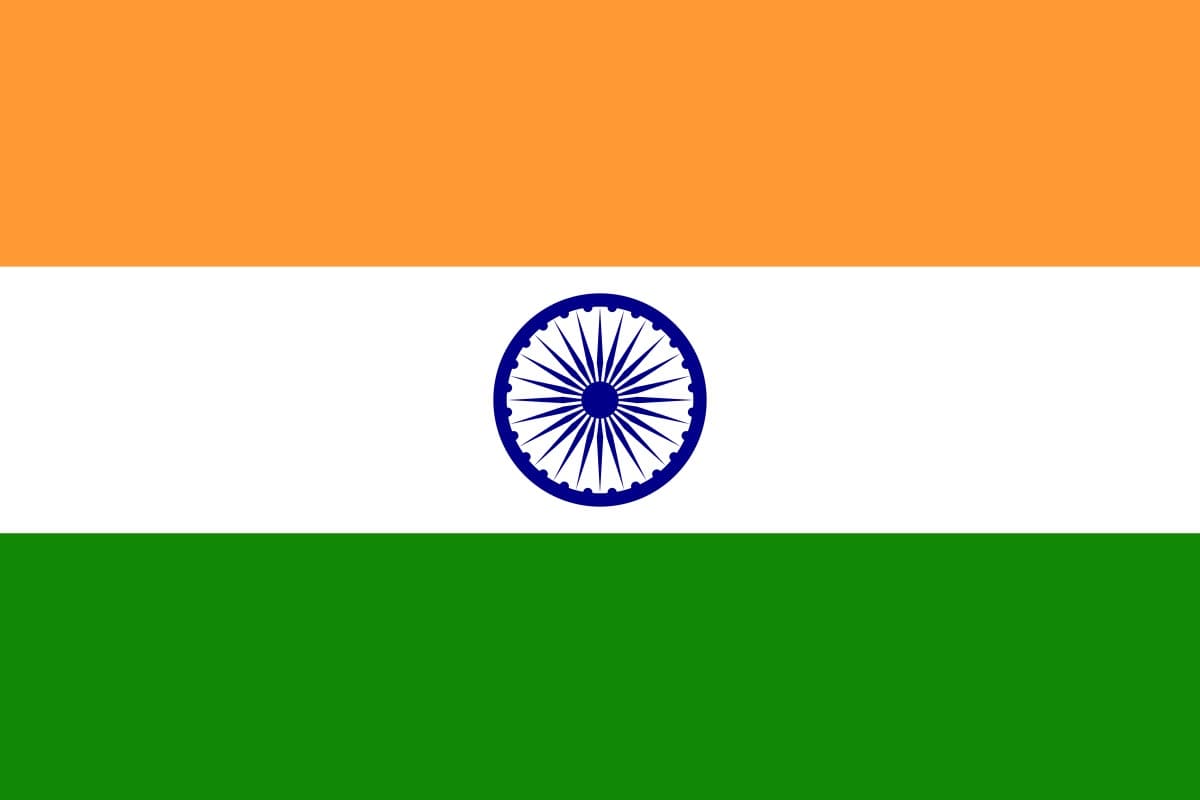
Export Volume
450 milliards USD (2023)
Manufacturers
Plus de 63 millions de TPE/PME (micro, petites et moyennes entreprises)
Trade Partners
États-Unis, Émirats arabes unis, Union européenne
Industries Clés en Inde
Textiles et confection
Articles en coton, soie et synthétique de Tirupur (capitale de la bonneterie), Surat (textiles synthétiques), Delhi-NCR (mode) et Ludhiana (articles en laine). L'Inde est le premier producteur mondial de coton et de jute, et le deuxième producteur de soie. Les principales exportations comprennent les t-shirts, polos, robes, linge de lit et serviettes. Les contrôles qualité doivent se concentrer sur la précision des tailles, la solidité des couleurs et la régularité du poids du tissu.
Maroquinerie et chaussures
L'Inde est le deuxième producteur mondial de chaussures. Articles en cuir et chaussures de Chennai (tanneries et usines de chaussures), Kanpur (traitement du cuir) et Agra (chaussures). Le secteur produit des vêtements en cuir, des sacs, des ceintures, des portefeuilles et des chaussures à l'exportation. Les principales préoccupations qualité comprennent la qualité du grain du cuir, la durabilité des coutures et la conformité chimique (sans chrome et exigences REACH).
Composants automobiles
Pièces détachées et composants d'ingénierie de Chennai, Pune, Gurgaon et de la zone industrielle de Pithampur. L'industrie indienne des composants automobiles exporte plus de 20 milliards USD par an, fournissant des pièces aux équipementiers du monde entier. Les produits comprennent les composants moteur, les pièces de transmission, les systèmes électriques et les pièces moulées en caoutchouc. Les usines suivent généralement les normes de management de la qualité IATF 16949.
Artisanat et décoration intérieure
Tapis noués à la main de Bhadohi et Mirzapur (Uttar Pradesh), textiles imprimés au bloc de Jaipur, articles brodés de Lucknow et du Cachemire, travail du métal de Moradabad et incrustation de marbre d'Agra. La qualité des produits artisanaux se concentre sur la régularité de l'artisanat, l'authenticité des matériaux et la qualité de finition. L'échantillonnage AQL peut nécessiter une adaptation aux tolérances des produits faits main.
Produits pharmaceutiques
Médicaments génériques et principes actifs (API), l'Inde fournissant 20 % des médicaments génériques mondiaux. Les principaux pôles pharmaceutiques incluent Hyderabad, Mumbai, Ahmedabad et Baddi (Himachal Pradesh). L'industrie est réglementée par la Central Drugs Standard Control Organisation (CDSCO) et les installations doivent se conformer aux normes FDA, EMA et OMS-BPF.
Pierres précieuses et joaillerie
Taille et polissage du diamant à Surat (traitant 90 % des diamants mondiaux), et fabrication de bijoux en or à Mumbai et Jaipur. L'Inde est le premier consommateur et transformateur mondial de bijoux en or, avec d'importantes exportations de bijoux en argent, de bijoux fantaisie et de pierres précieuses.
Obtenir un Devis pour des Inspections en Inde
À partir de 240 $/jour-homme · Planification sous 48h
Devis gratuit et sans engagement · Réponse sous 4 heures · Vos données restent confidentielles
Types d'Inspection Disponibles en Inde
Pourquoi Inspecter en Inde
Inde est une destination d'approvisionnement clé où les contrôles qualité sont essentiels pour protéger votre chaîne d'approvisionnement.
Local Inspectors
Our inspectors en Inde understand regional manufacturing practices, common quality issues, and applicable standards.
24-Hour Reports
Detailed photo-documented reports delivered within 24 hours of each inspection, giving you fast, actionable insights.
AQL Sampling Standards
Every inspection follows internationally recognized AQL sampling standards (ISO 2859-1) for reliable, data-driven quality decisions.
48-Hour Scheduling
Rapid scheduling within 48 hours of booking for inspections across Inde's major manufacturing regions.
Photo Documentation
Comprehensive photo evidence of defects classified as critical, major, or minor for clear shipping decisions.
Brand Protection
Reduce return rates, avoid customs rejections, and protect your brand reputation when sourcing from Inde.
Paysage manufacturier et contrôle qualité en Inde
L'Inde est la cinquième économie mondiale et un pôle manufacturier en pleine croissance, porté par l'initiative gouvernementale « Make in India » qui a attiré d'importants investissements étrangers. Avec plus de 63 millions de micro, petites et moyennes entreprises (TPE/PME), le secteur manufacturier indien couvre les textiles et vêtements, la maroquinerie, les produits pharmaceutiques, les composants automobiles, les produits d'ingénierie et l'artisanat. Le contrôle qualité en Inde est essentiel pour les acheteurs internationaux qui naviguent dans ce vaste et diversifié paysage de fournisseurs.
L'industrie textile indienne emploie à elle seule plus de 45 millions de personnes et constitue le deuxième poste d'exportation du pays. Le secteur est mondialement compétitif dans les produits à base de coton, avec des clusters spécialisés à travers le pays, produisant aussi bien des tissus artisanaux haut de gamme que des articles de mode rapide pour le marché de masse.
Principales régions manufacturières en Inde
Tirupur (Tamil Nadu) — Capitale indienne de la bonneterie, produisant des t-shirts, polos et articles en maille pour les distributeurs mondiaux. Tirupur représente plus de 50 % des exportations totales de bonneterie indienne.
Delhi-NCR et Noida — Pôle majeur pour la mode, la maroquinerie et les produits d'ingénierie. La région bénéficie de la proximité des aéroports internationaux pour l'envoi d'échantillons et les visites d'acheteurs.
Surat (Gujarat) — Capitale mondiale de la taille et du polissage du diamant, traitant environ 90 % des diamants mondiaux. Également un centre majeur pour les textiles synthétiques, les saris et les tissus d'habillement.
Chennai et Pune — Corridor de fabrication automobile indien, accueillant les usines de Hyundai, Ford, BMW et de grands équipementiers. Les systèmes qualité des usines automobiles suivent généralement les normes IATF 16949.
Ludhiana (Pendjab) — Connue pour la bonneterie en laine, la fabrication de vélos et les pièces automobiles. Ludhiana produit une part importante de l'outillage à main et de la boulonnerie indienne.
Rajasthan et Uttar Pradesh — Centres de l'artisanat, des tapis, des produits en marbre et des articles artisanaux où la régularité de la qualité nécessite une attention particulière en raison des procédés de fabrication manuels.
Défis du contrôle qualité en Inde
Le secteur manufacturier indien présente des défis qualité spécifiques que les acheteurs doivent comprendre :
- Chaîne d'approvisionnement fragmentée — De nombreux produits transitent par plusieurs sous-traitants (filature, tissage, teinture, couture, finition), rendant la traçabilité et la cohérence qualité difficiles à chaque étape de production.
- Produits artisanaux et faits main — L'Inde excelle dans les articles artisanaux (tapis, broderie, impression au bloc, travail du métal), mais les procédés manuels produisent intrinsèquement des variations qui doivent être gérées par des directives de tolérance claires.
- Contraintes d'infrastructure — Les coupures de courant dans certaines régions peuvent perturber les calendriers de production et affecter la qualité. La saison des moussons (juin-septembre) peut retarder les livraisons de matières premières et causer des problèmes de qualité liés à l'humidité.
- Incohérences de mesures et de tailles — La précision des tailles dans les vêtements est l'un des problèmes qualité les plus courants dans la fabrication indienne, nécessitant des vérifications de mesures minutieuses lors des inspections avant expédition.
- Solidité des couleurs — La qualité de la teinture et les tests de solidité des couleurs sont essentiels pour les produits textiles, en particulier ceux destinés aux marchés européens où la conformité REACH impose des limites chimiques spécifiques.
Couverture de Tetra Inspection en Inde
Tetra Inspection propose des services complets de contrôle qualité dans toutes les principales régions manufacturières indiennes. Nos services incluent inspections avant expédition, inspections en cours de production, contrôles initiaux de production, contrôles de chargement de conteneur, audits d'usine, vérifications de fournisseurs et audits de conformité sociale.
Nos inspecteurs locaux en Inde parlent anglais et les langues régionales, comprennent les pratiques de fabrication locales et possèdent l'expérience des défis qualité spécifiques à la production indienne. Que vous vous approvisionniez en vêtements à Tirupur, en maroquinerie à Chennai ou en artisanat au Rajasthan, contactez-nous pour un devis gratuit et un contrôle qualité fiable en Inde.
Paysage Manufacturier en Inde
L'Inde est la cinquième économie mondiale et un pôle manufacturier en pleine expansion, particulièrement fort dans les textiles, les produits pharmaceutiques, les composants automobiles et l'artisanat. L'initiative « Make in India » a accéléré la croissance industrielle, attirant des investissements étrangers significatifs et élargissant la capacité de production dans tout le pays. Le secteur manufacturier indien contribue à environ 17 % du PIB, le gouvernement visant 25 % d'ici 2030 grâce à des réformes politiques et des investissements dans les infrastructures.
Le paysage manufacturier indien se caractérise par un mélange de grandes usines organisées et d'un vaste réseau de petits ateliers et de producteurs artisanaux. Le secteur textile et de la confection emploie à lui seul plus de 45 millions de personnes et se concentre dans des clusters comme Tirupur (bonneterie), Ludhiana (articles en laine), Surat (textiles synthétiques) et Delhi-NCR (mode). Le secteur automobile est centré autour de Chennai (souvent appelée le « Détroit de l'Inde »), Pune et Gurgaon. L'industrie pharmaceutique indienne est d'envergure mondiale, produisant 20 % des médicaments génériques mondiaux et fournissant des médicaments à prix abordable dans plus de 200 pays.
Les difficultés qualité en Inde découlent souvent de la fragmentation de la chaîne d'approvisionnement. De nombreux produits transitent par plusieurs sous-traitants — une commande de vêtements, par exemple, peut impliquer des unités distinctes pour le tissage, la teinture, la coupe, la couture, la broderie et la finition. Cette fragmentation rend la traçabilité difficile et crée de multiples points où la qualité peut dévier des spécifications. L'alimentation électrique irrégulière dans certaines régions peut affecter les délais de production et les processus qualité dépendant des équipements, comme le traitement thermique ou la teinture. Les facteurs saisonniers, notamment les perturbations dues à la mousson de juin à septembre, peuvent impacter la qualité des matières premières, provoquer des inondations retardant les livraisons et augmenter les niveaux d'humidité affectant les produits textiles et en cuir.
Malgré ces défis, l'Inde offre des avantages significatifs : des coûts de main-d'œuvre compétitifs, une large main-d'œuvre anglophone simplifiant la communication, des capacités de conception solides notamment dans la mode et les textiles, une adoption croissante des normes de qualité internationales, et un système juridique démocratique assurant la protection de la propriété intellectuelle. La population jeune du pays — avec un âge médian de 28 ans — garantit une main-d'œuvre croissante pour les décennies à venir. Des inspections régulières et des audits d'usine aident les acheteurs à naviguer dans la complexité du secteur manufacturier indien et à garantir que les produits répondent aux normes internationales de manière constante.
Réglementations et Conformité en Inde
Regulatory Overview
Le Bureau of Indian Standards (BIS) de l'Inde applique la certification obligatoire pour diverses catégories de produits, notamment l'électronique, les jouets, les textiles et les produits chimiques. Les produits destinés à l'exportation doivent porter les certifications requises pour les marchés de destination — marquage CE pour l'UE, conformité CPSIA pour les produits pour enfants aux États-Unis, et certification OEKO-TEX ou GOTS pour les exportations textiles. Les Quality Control Orders (QCOs) rendent la certification BIS obligatoire pour une liste de produits en constante expansion. Le Textile Committee de l'Inde supervise les normes qualité pour les exportations textiles, tandis que l'Export Inspection Council (EIC) fournit la certification d'inspection avant expédition pour certains produits alimentaires et industriels. Les acheteurs doivent vérifier la conformité aux réglementations REACH pour les produits destinés à l'UE et s'assurer de la bonne documentation, incluant rapports d'essais, certificats de conformité et listes de colisage.
Conseils d'Approvisionnement pour Inde
Tip 1
La construction de relations est importante dans la culture des affaires indienne — attendez-vous à ce que les premières réunions se concentrent sur l'établissement d'un rapport avant d'aborder les détails commerciaux.
Tip 2
Les négociations durent plus longtemps qu'en Chine, et une approche patiente et respectueuse donne de meilleurs résultats.
Tip 3
Confirmez toujours les délais de livraison avec des marges de sécurité de 1 à 2 semaines, car les retards sont fréquents en raison de la fragmentation de la chaîne d'approvisionnement et des difficultés d'infrastructure.
Tip 4
Les saisons de fêtes affectent significativement la production : Diwali (octobre/novembre) entraîne 1 à 2 semaines de perturbation, et les fêtes régionales (Pongal au Tamil Nadu, Durga Puja au Bengale, Onam au Kerala) affectent les clusters manufacturiers locaux.
Tip 5
Les confirmations écrites de tous les accords — spécifications, prix, dates de livraison et conditions de paiement — sont indispensables, car les engagements verbaux peuvent ne pas être fiables.
Tip 6
La large main-d'œuvre anglophone de l'Inde constitue un avantage majeur pour la communication avec les acheteurs par rapport aux autres pays d'approvisionnement asiatiques.
Questions Fréquentes sur le Contrôle Qualité en Inde
Les problèmes qualité courants en Inde comprennent les incohérences de taille et de mesure dans les vêtements, les problèmes de solidité des couleurs dans les textiles, les variations dans les produits finis à la main ou artisanaux, la qualité de l'emballage et les retards dans les délais de production. La sous-traitance à plusieurs niveaux peut rendre la cohérence qualité difficile. Les inspections avant expédition permettent de vérifier que la production en série correspond aux échantillons validés.
Les inspections produits en Inde coûtent 240 USD par jour-homme — tout compris, sans frais cachés. Les audits d'usine débutent à 440 USD par jour-homme. Les formules d'abonnement permettent de réduire davantage le coût — de 189 USD/jour-homme (Mensuel) à 158 USD/jour-homme (Annuel). Contactez Tetra Inspection pour un devis détaillé adapté à vos besoins spécifiques.
Les principaux pôles manufacturiers incluent Tirupur et Delhi-NCR pour les vêtements, Chennai et Pune pour l'automobile, Surat pour les textiles et les diamants, Mumbai pour les produits pharmaceutiques et la joaillerie, Ludhiana pour les articles en laine et les pièces de vélo, le Rajasthan pour l'artisanat et les produits en pierre, Kolkata pour les produits en jute, et Moradabad pour la dinanderie et le travail du métal. Chaque région possède une expertise spécialisée que les acheteurs peuvent exploiter pour des catégories de produits spécifiques. Tetra Inspection dispose d'inspecteurs locaux dans tous les pôles majeurs, garantissant une planification rapide et une connaissance approfondie des pratiques de fabrication régionales, des types de défauts courants et de la dynamique des chaînes d'approvisionnement locales.
Oui, l'anglais est largement utilisé dans les milieux d'affaires et de production en Inde — c'est l'une des deux langues officielles du pays. La plupart des directeurs d'usine, des merchandisers et du personnel de contrôle qualité peuvent communiquer efficacement en anglais, ce qui simplifie considérablement le processus d'approvisionnement par rapport à la Chine, au Vietnam ou à d'autres pays manufacturiers asiatiques. La correspondance par courriel, les cahiers des charges et les contrats sont généralement traités en anglais. Cependant, les ouvriers de production parlent principalement des langues régionales comme le hindi, le tamoul, le télougou ou le bengali, ce qui rend les inspecteurs locaux maîtrisant l'anglais et la langue régionale précieux pour des contrôles qualité approfondis et une communication claire des résultats d'inspection.
Tetra Inspection propose des services complets de contrôle qualité dans toute l'Inde, notamment des inspections avant expédition, des inspections en cours de production, des audits d'usine et des vérifications de fournisseurs. Nos inspecteurs locaux connaissent bien les pratiques de fabrication régionales, les défauts courants et les normes applicables, garantissant que vos produits répondent aux spécifications avant l'expédition.
L'Inde et la Chine sont les deux plus grands producteurs textiles au monde, chacun avec des atouts distincts. L'Inde excelle dans les produits à base de coton, les textiles artisanaux (broderie, impression au bloc, métier à main) et possède un avantage compétitif dans les textiles biologiques et durables. La Chine offre de plus grandes capacités de production, des délais plus courts et de meilleures compétences en textiles synthétiques et techniques. La main-d'œuvre anglophone de l'Inde simplifie la communication, tandis que les infrastructures chinoises sont plus développées. De nombreuses marques diversifient en s'approvisionnant dans différentes catégories de produits dans chaque pays. L'Inde est particulièrement compétitive pour la bonneterie, les textiles de maison (linge de lit, serviettes) et les vêtements de mode avec détails artisanaux.
Pour gérer efficacement la qualité avec les fournisseurs indiens : fournissez des spécifications écrites détaillées avec références visuelles et plages de tolérance ; produisez et validez toujours un échantillon de pré-production avant la fabrication en série ; réalisez une inspection en cours de production lorsque 20-30 % de la production est terminée pour détecter les problèmes tôt ; effectuez une inspection finale avant expédition avec échantillonnage AQL ; pour les nouveaux fournisseurs, commencez par un audit d'usine pour évaluer les capacités et les systèmes qualité ; intégrez du temps tampon dans les calendriers de livraison pour anticiper les retards potentiels ; maintenez une communication régulière et rendez visite aux fournisseurs au moins une fois par an. Pour les produits artisanaux ou faits main, convenez en amont des plages de variation acceptables et incluez des échantillons de référence pour comparaison lors des inspections.
Obtenir un Devis pour des Inspections en Inde
Nos inspecteurs en Inde sont prêts à protéger votre chaîne d'approvisionnement. Obtenez un devis en quelques minutes.
Nos inspecteurs en Inde réservent 2 à 3 semaines à l'avance