
Control de Calidad en India
India: Tetra Inspection realiza controles de calidad independientes, de terceros — inspección previa al embarque, inspección durante la producción, auditoría de fábrica y verificación de proveedores — a cargo de inspectores locales, con precios fijos por hombre-día e informes fotográficos en 24 horas. Fundada en 2014, la red de inspección de Tetra abarca más de 45 países y ha completado más de 32 500 inspecciones para más de 2 000 clientes.
Inspección de terceros en India. Control de calidad para textiles, cuero, joyería y productos de ingeniería. Inspectores en todas las regiones industriales.
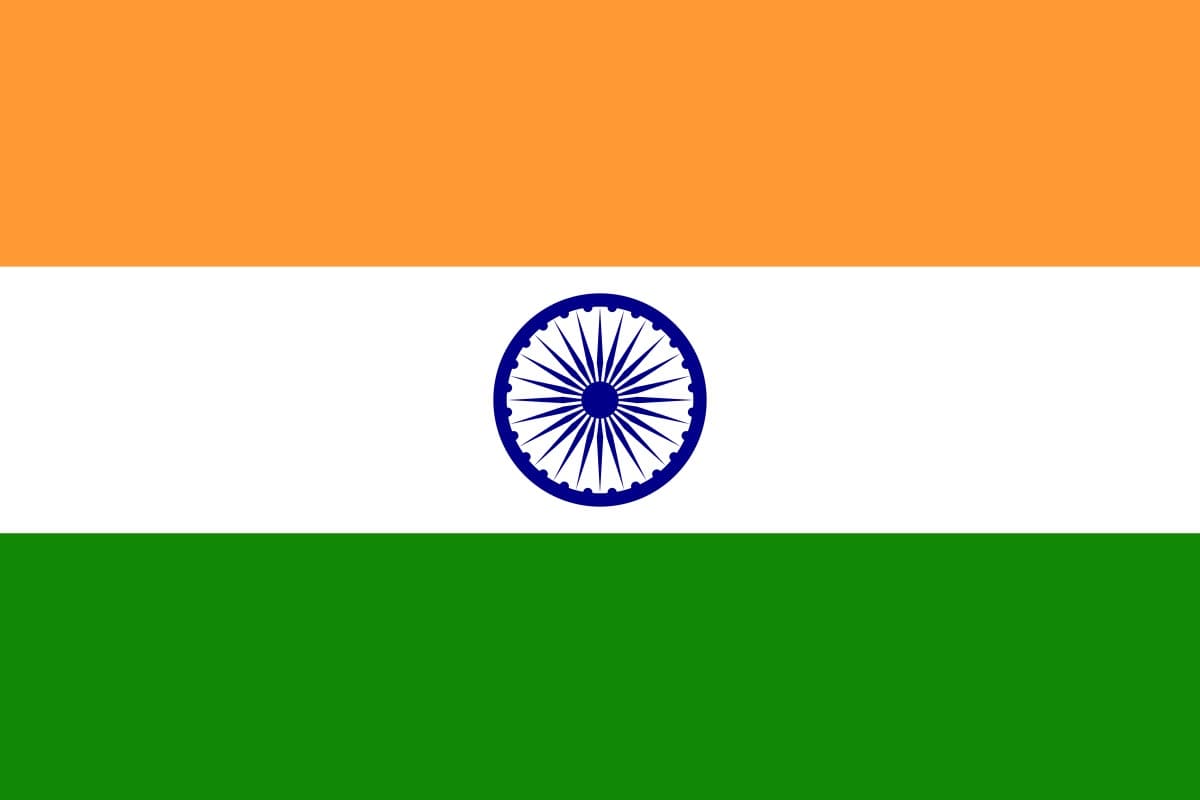
Export Volume
$450 billion (2023)
Manufacturers
63+ million MSMEs (micro, small, and medium enterprises)
Trade Partners
United States, United Arab Emirates, European Union
Industrias Clave en India
Textiles y confección
Prendas de algodón, seda y sintéticos de Tirupur (capital del punto), Surat (textiles sintéticos), Delhi-NCR (moda) y Ludhiana (artículos de lana). India es el mayor productor mundial de algodón y yute, y el segundo mayor productor de seda. Las principales exportaciones incluyen camisetas, polos, vestidos, ropa de cama y toallas. Los controles de calidad deben enfocarse en la precisión del tallaje, la solidez del color y la consistencia del gramaje de la tela.
Cuero y calzado
India es el segundo mayor productor de calzado a nivel mundial. Artículos de cuero y calzado de Chennai (curtidurías y fábricas de zapatos), Kanpur (procesamiento de cuero) y Agra (calzado). El sector produce prendas de cuero, bolsos, cinturones, billeteras y zapatos para exportación. Las principales preocupaciones de calidad incluyen la calidad del grano del cuero, la durabilidad de las costuras y el cumplimiento químico (requisitos libres de cromo y REACH).
Componentes automotrices
Autopartes y componentes de ingeniería de Chennai, Pune, Gurgaon y la zona industrial de Pithampur. La industria de componentes automotrices de India exporta más de $20.000 millones anuales, suministrando piezas a fabricantes de equipos originales en todo el mundo. Los productos incluyen componentes de motor, piezas de transmisión, sistemas eléctricos y molduras de caucho. Las fábricas generalmente siguen los estándares de gestión de calidad IATF 16949.
Artesanías y decoración del hogar
Alfombras y tapetes anudados a mano de Bhadohi y Mirzapur (Uttar Pradesh), textiles estampados con bloques de Jaipur, artículos bordados de Lucknow y Cachemira, productos de metal de Moradabad e incrustaciones de mármol de Agra. La calidad en productos artesanales se centra en la consistencia de la artesanía, la autenticidad de los materiales y la calidad del acabado. El muestreo basado en AQL puede necesitar adaptarse para las tolerancias de productos hechos a mano.
Productos farmacéuticos
Medicamentos genéricos e ingredientes farmacéuticos activos (APIs), con India suministrando el 20% de los medicamentos genéricos del mundo. Los principales centros farmacéuticos incluyen Hyderabad, Mumbai, Ahmedabad y Baddi (Himachal Pradesh). La industria está regulada por la Organización Central de Control de Medicamentos y Estándares (CDSCO) y las instalaciones deben cumplir con los estándares de la FDA, la EMA y las BPM de la OMS.
Gemas y joyería
Corte y pulido de diamantes en Surat (procesando el 90% de los diamantes del mundo), y fabricación de joyería de oro en Mumbai y Jaipur. India es el mayor consumidor y procesador mundial de joyería de oro, con exportaciones significativas de joyería de plata, bisutería y piedras preciosas.
Obtener Presupuesto para Inspecciones en India
Desde $240/día-hombre · Programación en 48h
Presupuesto gratis y sin compromiso · Respondemos en 4 horas · Sus datos son privados
Tipos de Inspección Disponibles en India
Por Qué Inspeccionar en India
India es un destino de aprovisionamiento clave donde las inspecciones de control de calidad son esenciales para proteger su cadena de suministro.
Local Inspectors
Our inspectors en India understand regional manufacturing practices, common quality issues, and applicable standards.
24-Hour Reports
Detailed photo-documented reports delivered within 24 hours of each inspection, giving you fast, actionable insights.
AQL Sampling Standards
Every inspection follows internationally recognized AQL sampling standards (ISO 2859-1) for reliable, data-driven quality decisions.
48-Hour Scheduling
Rapid scheduling within 48 hours of booking for inspections across India's major manufacturing regions.
Photo Documentation
Comprehensive photo evidence of defects classified as critical, major, or minor for clear shipping decisions.
Brand Protection
Reduce return rates, avoid customs rejections, and protect your brand reputation when sourcing from India.
Panorama Manufacturero De India Y Control De Calidad
India es la quinta economía más grande del mundo y un centro manufacturero en rápido crecimiento, impulsado por la iniciativa gubernamental "Make in India" que ha atraído inversión extranjera significativa. Con más de 63 millones de micro, pequeñas y medianas empresas (MIPyMES), el sector manufacturero de India abarca textiles y prendas, artículos de cuero, productos farmacéuticos, componentes automotrices, productos de ingeniería y artesanías. El control de calidad en India es esencial para los compradores internacionales que navegan este vasto y diverso panorama de proveedores.
La industria textil de India por sí sola emplea a más de 45 millones de personas y es el segundo mayor generador de divisas por exportación del país. El sector es globalmente competitivo en productos a base de algodón, con clústeres especializados en todo el país produciendo desde telas artesanales premium hasta moda rápida para el mercado masivo.
Principales Regiones Manufactureras De India
Tirupur (Tamil Nadu) — La capital del punto de India, produciendo camisetas, polos y prendas de punto para minoristas globales. Tirupur representa más del 50% de las exportaciones totales de punto de India.
Delhi-NCR y Noida — Un importante centro para moda, artículos de cuero y productos de ingeniería. La región se beneficia de la proximidad a aeropuertos internacionales para envíos de muestras y visitas de compradores.
Surat (Gujarat) — La capital mundial del corte y pulido de diamantes, procesando aproximadamente el 90% de los diamantes del mundo. También un importante centro de textiles sintéticos, saris y telas para vestidos.
Chennai y Pune — El corredor automotriz de India, con plantas de Hyundai, Ford, BMW y grandes proveedores de componentes. Los sistemas de calidad en las fábricas automotrices siguen típicamente los estándares IATF 16949.
Ludhiana (Punjab) — Reconocida por prendas de lana, fabricación de bicicletas y autopartes. Ludhiana produce una parte significativa de las herramientas manuales y sujeciones de India.
Rajasthan y Uttar Pradesh — Centros de artesanías, alfombras, productos de mármol y artículos artesanales donde la consistencia de calidad requiere atención particular debido a los procesos de producción artesanal.
Desafíos Del Control De Calidad En India
El sector manufacturero de India presenta desafíos de calidad particulares que los compradores deben comprender:
- Cadena de suministro fragmentada — Muchos productos pasan por múltiples subcontratistas (hilado, tejido, teñido, costura, acabado), lo que dificulta la trazabilidad y la consistencia de calidad entre las etapas de producción.
- Productos artesanales — India sobresale en artículos artesanales (alfombras, bordados, estampados con bloques, metalistería), pero los procesos manuales producen inherentemente variaciones que deben gestionarse mediante directrices claras de tolerancia.
- Restricciones de infraestructura — Los cortes de energía en algunas regiones pueden interrumpir los plazos de producción y afectar la calidad. La temporada del monzón (junio-septiembre) puede retrasar las entregas de materias primas y causar problemas de calidad relacionados con la humedad.
- Inconsistencias en medidas y tallaje — La precisión del tallaje en prendas de vestir es uno de los problemas de calidad más comunes en la manufactura india, requiriendo verificaciones cuidadosas de medidas durante las inspecciones previas al envío.
- Solidez del color — La calidad del teñido y las pruebas de solidez del color son críticas para los productos textiles, particularmente los destinados a mercados de la UE donde el cumplimiento de REACH exige límites químicos específicos.
Cobertura De Tetra Inspection En India
Tetra Inspection ofrece servicios integrales de control de calidad en todas las principales regiones manufactureras de India. Nuestros servicios incluyen inspección previa al envío, inspección durante la producción, verificación inicial de producción, control de carga de contenedor, auditoría de fábrica, verificación de proveedor y auditoría de cumplimiento social.
Nuestros inspectores locales en India hablan inglés e idiomas regionales, comprenden las prácticas de fabricación locales y tienen experiencia con los desafíos de calidad específicos de la producción india. Ya sea que se abastezca de prendas desde Tirupur, artículos de cuero desde Chennai o artesanías desde Rajasthan, contáctenos para obtener una cotización gratuita y un control de calidad confiable en India.
Panorama Manufacturero en India
India es la quinta economía más grande del mundo y un centro manufacturero en rápido crecimiento, especialmente fuerte en textiles, productos farmacéuticos, componentes automotrices y artesanías. La iniciativa "Make in India" ha acelerado el crecimiento industrial, atrayendo inversión extranjera significativa y ampliando la capacidad productiva en todo el país. El sector manufacturero de India contribuye aproximadamente el 17% del PIB, con el gobierno apuntando al 25% para 2030 mediante reformas políticas e inversión en infraestructura.
El panorama manufacturero indio se caracteriza por una combinación de grandes fábricas organizadas y una vasta red de talleres más pequeños y productores artesanales. El sector textil y de confección emplea a más de 45 millones de personas y se concentra en clústeres como Tirupur (punto), Ludhiana (artículos de lana), Surat (textiles sintéticos) y Delhi-NCR (moda). El sector automotriz se centra en Chennai (conocida como el "Detroit de India"), Pune y Gurgaon. La industria farmacéutica de India tiene relevancia global, produciendo el 20% de los medicamentos genéricos del mundo y suministrando fármacos asequibles a más de 200 países.
Los desafíos de calidad en India suelen derivarse de la cadena de suministro fragmentada. Muchos productos pasan por múltiples subcontratistas: un pedido de prendas, por ejemplo, puede involucrar unidades independientes para el tejido, el teñido, el corte, la costura, el bordado y el acabado. Esta fragmentación dificulta la trazabilidad y genera múltiples puntos donde la calidad puede desviarse de las especificaciones. El suministro eléctrico irregular en ciertas regiones puede afectar los plazos de producción y los procesos dependientes del equipo, como el tratamiento térmico o el teñido. Los factores estacionales, incluidas las disrupciones del monzón de junio a septiembre, pueden impactar la calidad de las materias primas, causar inundaciones que retrasan las entregas y elevar los niveles de humedad que afectan los productos textiles y de cuero.
A pesar de estos desafíos, India ofrece ventajas significativas: costos laborales competitivos, una amplia fuerza laboral angloparlante que simplifica la comunicación, sólidas capacidades de diseño especialmente en moda y textiles, una adopción creciente de estándares internacionales de calidad, y un sistema legal democrático que brinda protección a la propiedad intelectual. La población joven del país, con una edad mediana de 28 años, garantiza una fuerza laboral en crecimiento durante las próximas décadas. Las inspecciones regulares y las auditorías de fábrica ayudan a los compradores a navegar la complejidad del ecosistema manufacturero indio y a garantizar que los productos cumplan con los estándares internacionales de manera consistente.
Regulaciones y Cumplimiento en India
Regulatory Overview
La Oficina de Normas de India (BIS) aplica la certificación obligatoria para diversas categorías de productos, incluyendo electrónica, juguetes, textiles y productos químicos. Los productos de exportación deben contar con las certificaciones requeridas para los mercados de destino: marcado CE para la UE, cumplimiento CPSIA para productos infantiles en Estados Unidos, y certificación OEKO-TEX o GOTS para exportaciones textiles. Las Órdenes de Control de Calidad (QCOs) hacen obligatoria la certificación BIS para una lista cada vez mayor de productos. El Comité Textil de India supervisa los estándares de calidad para las exportaciones textiles, mientras que el Consejo de Inspección de Exportaciones (EIC) proporciona certificación de inspección previa al envío para ciertos productos alimentarios e industriales. Los compradores deben verificar el cumplimiento de las regulaciones REACH para productos destinados a la UE y asegurarse de contar con la documentación adecuada, incluyendo informes de prueba, certificados de conformidad y listas de empaque.
Consejos de Abastecimiento para India
Tip 1
La construcción de relaciones es importante en la cultura empresarial india: espere que las reuniones iniciales se centren en establecer rapport antes de abordar los detalles comerciales.
Tip 2
Las negociaciones toman más tiempo que en China, y un enfoque paciente y respetuoso produce mejores resultados.
Tip 3
Confirme siempre los plazos de entrega con márgenes de seguridad de 1 a 2 semanas, ya que los retrasos en la producción son comunes debido a la fragmentación de la cadena de suministro y los desafíos de infraestructura.
Tip 4
Las temporadas festivas impactan significativamente la producción: Diwali (octubre/noviembre) causa 1 a 2 semanas de interrupción, y los festivales regionales (Pongal en Tamil Nadu, Durga Puja en Bengala, Onam en Kerala) afectan a los clústeres manufactureros locales.
Tip 5
Las confirmaciones escritas de todos los acuerdos —especificaciones, precios, fechas de entrega y condiciones de pago— son indispensables, ya que los compromisos verbales pueden no ser confiables.
Tip 6
La amplia fuerza laboral angloparlante de India es una gran ventaja para la comunicación con los compradores en comparación con otros países de abastecimiento asiáticos.
Preguntas Frecuentes sobre Control de Calidad en India
Los problemas de calidad frecuentes en India incluyen inconsistencias en el tallaje y las medidas de las prendas, problemas de solidez del color en textiles, variaciones en productos terminados a mano o artesanales, calidad del empaque y retrasos en los plazos de producción. La subcontratación en múltiples niveles puede dificultar la consistencia de calidad. Las inspecciones previas al envío ayudan a verificar que la producción en serie coincide con las muestras aprobadas.
Las inspecciones de producto en India cuestan $240 por día-hombre, todo incluido sin cargos ocultos. Las auditorías de fábrica comienzan desde $440 por día-hombre. Los planes de suscripción reducen aún más el costo: desde $189/día-hombre (Mensual) hasta $158/día-hombre (Anual). Contacte a Tetra Inspection para una cotización detallada adaptada a sus requerimientos específicos.
Los principales centros manufactureros incluyen Tirupur y Delhi-NCR para prendas de vestir, Chennai y Pune para automotriz, Surat para textiles y diamantes, Mumbai para productos farmacéuticos y joyería, Ludhiana para artículos de lana y partes de bicicletas, Rajasthan para artesanías y productos de piedra, Kolkata para productos de yute y Moradabad para artículos de latón y metalistería. Cada región tiene una especialización que los compradores pueden aprovechar para categorías específicas de productos. Tetra Inspection cuenta con inspectores locales en todos los centros principales, lo que garantiza una programación rápida y un profundo conocimiento de las prácticas de fabricación regionales, los patrones de defectos comunes y la dinámica de la cadena de suministro local.
Sí, el inglés se usa ampliamente en el ámbito empresarial y manufacturero de India: es uno de los dos idiomas oficiales del país. La mayoría de los gerentes de fábrica, merchandisers y personal de control de calidad pueden comunicarse eficazmente en inglés, lo que simplifica significativamente el proceso de abastecimiento en comparación con China, Vietnam u otros países manufactureros asiáticos. La correspondencia por correo electrónico, las especificaciones y los contratos se manejan habitualmente en inglés. Sin embargo, los operarios de planta pueden hablar principalmente idiomas regionales como hindi, tamil, telugu o bengalí, lo que hace que los inspectores locales que hablan tanto inglés como el idioma regional sean valiosos para verificaciones de calidad exhaustivas y una comunicación clara de los hallazgos de la inspección.
Tetra Inspection ofrece servicios integrales de control de calidad en toda India, incluyendo inspecciones previas al envío, inspecciones durante la producción, auditorías de fábrica y verificación de proveedores. Nuestros inspectores locales conocen las prácticas de fabricación regionales, los defectos frecuentes y los estándares aplicables, garantizando que sus productos cumplan las especificaciones antes del despacho.
India y China son los dos mayores productores textiles del mundo, cada uno con fortalezas diferenciadas. India sobresale en productos a base de algodón, textiles artesanales (bordado, estampado con bloques, telar manual) y tiene una ventaja competitiva en textiles orgánicos y sostenibles. China ofrece mayor capacidad productiva, plazos de entrega más cortos y capacidades superiores en telas sintéticas y textiles de alta tecnología. La fuerza laboral angloparlante de India simplifica la comunicación, mientras que la infraestructura de China está más desarrollada. Muchas marcas diversifican abasteciendo diferentes categorías de productos de cada país. India es particularmente competitiva en punto, textiles para el hogar (ropa de cama, toallas) y prendas de moda con detalles artesanales.
Para gestionar eficazmente la calidad con proveedores indios: proporcione especificaciones detalladas por escrito con referencias visuales y rangos de tolerancia; siempre elabore y apruebe una muestra de preproducción antes de la producción en serie; realice una inspección durante la producción cuando el 20-30% de la producción esté completa para detectar problemas a tiempo; efectúe una inspección previa al envío final con muestreo AQL; para proveedores nuevos, comience con una auditoría de fábrica para evaluar capacidades y sistemas de calidad; incorpore tiempo de margen en los calendarios de entrega para absorber posibles retrasos; mantenga comunicación regular y visite a los proveedores al menos una vez al año. Para productos artesanales o hechos a mano, acuerde los rangos de variación aceptables de antemano e incluya muestras de referencia para la comparación durante las inspecciones.
Obtener Presupuesto para Inspecciones en India
Nuestros inspectores en India están listos para proteger su cadena de suministro. Obtenga un presupuesto en minutos.
Nuestros inspectores en India reservan con 2-3 semanas de anticipación