
Contrôle Qualité en Turquie
Turquie : Tetra Inspection réalise des contrôles qualité indépendants, par tierce partie — inspection avant expédition, inspection en cours de production, audit d'usine et vérification de fournisseurs — effectués par des inspecteurs locaux, avec une tarification forfaitaire à l'homme-jour et des rapports photo sous 24 heures. Fondée en 2014, Tetra dispose d'un réseau d'inspection couvrant plus de 45 pays et a réalisé plus de 32 500 inspections pour plus de 2 000 clients.
Inspection tierce partie en Turquie. Contrôle qualité pour textile, cuir, meubles et automobile. Inspecteurs locaux à Istanbul, Bursa et Izmir.
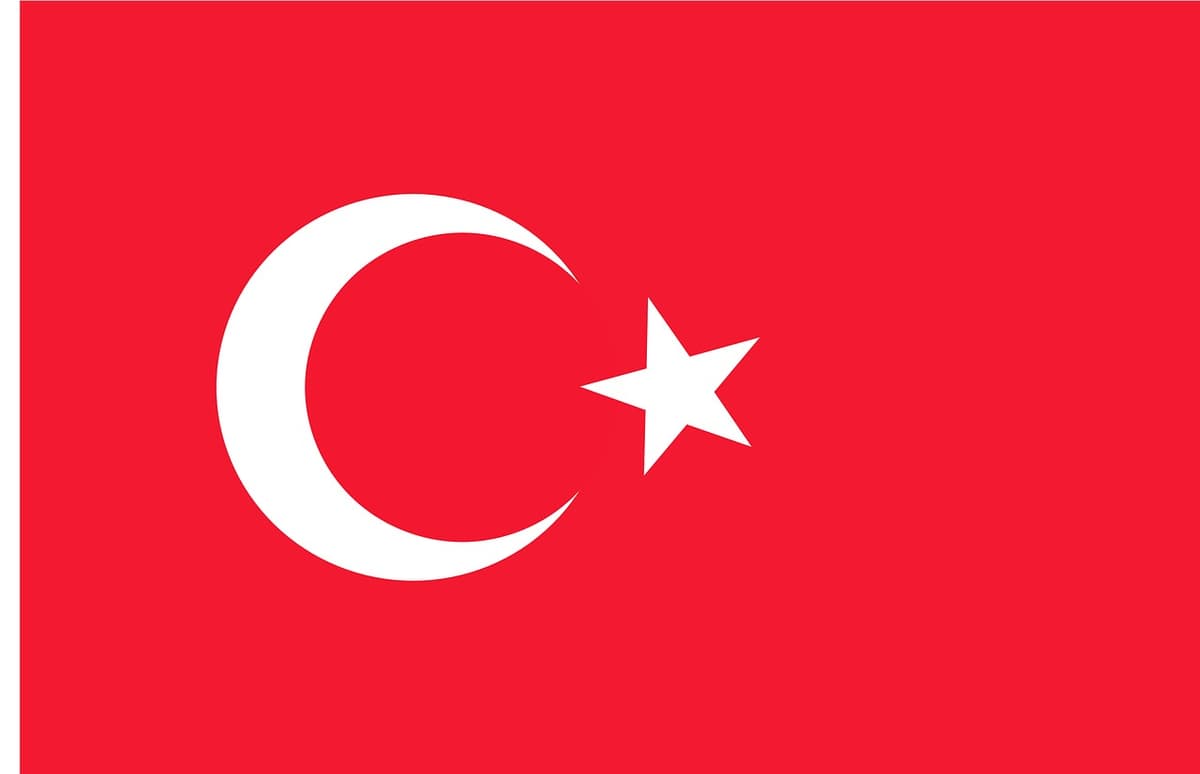
Export Volume
256 milliards USD (2023)
Manufacturers
Plus de 400 000 entreprises manufacturières
Trade Partners
Allemagne, Royaume-Uni, États-Unis
Industries Clés en Turquie
Textiles et mode
Prêt-à-porter haut de gamme, denim et textiles de maison d'Istanbul, Bursa et Denizli. La Turquie est le deuxième fournisseur textile de l'UE après la Chine. Le pays excelle dans la production de mode rapide avec des délais courts (2-4 semaines de la commande à la livraison), le denim premium et les serviettes et peignoirs de haute qualité. De nombreuses usines textiles turques détiennent les certifications OEKO-TEX, GOTS et BCI pour une production durable.
Automobile
Assemblage de véhicules et fabrication de pièces détachées à Bursa, Kocaeli et Istanbul, produisant pour Fiat, Renault, Toyota, Ford et Hyundai. La Turquie a produit plus de 1,3 million de véhicules en 2023 et est un fournisseur majeur de composants automobiles pour les équipementiers européens. Les usines suivent les normes de management de la qualité IATF 16949.
Électroménager
Producteur majeur de gros électroménager (Arçelik, Vestel) avec des usines à Istanbul et Manisa.
Mobilier
Fabrication de mobilier résidentiel et commercial concentrée à Kayseri et Istanbul.
Transformation alimentaire
Fruits secs, noix, huile d'olive et produits alimentaires transformés de Gaziantep, de la région égéenne et méditerranéenne.
Obtenir un Devis pour des Inspections en Turquie
À partir de 240 $/jour-homme · Planification sous 48h
Devis gratuit et sans engagement · Réponse sous 4 heures · Vos données restent confidentielles
Types d'Inspection Disponibles en Turquie
Pourquoi Inspecter en Turquie
Turquie est une destination d'approvisionnement clé où les contrôles qualité sont essentiels pour protéger votre chaîne d'approvisionnement.
Local Inspectors
Our inspectors en Turquie understand regional manufacturing practices, common quality issues, and applicable standards.
24-Hour Reports
Detailed photo-documented reports delivered within 24 hours of each inspection, giving you fast, actionable insights.
AQL Sampling Standards
Every inspection follows internationally recognized AQL sampling standards (ISO 2859-1) for reliable, data-driven quality decisions.
48-Hour Scheduling
Rapid scheduling within 48 hours of booking for inspections across Turquie's major manufacturing regions.
Photo Documentation
Comprehensive photo evidence of defects classified as critical, major, or minor for clear shipping decisions.
Brand Protection
Reduce return rates, avoid customs rejections, and protect your brand reputation when sourcing from Turquie.
Turquie — Un pôle stratégique de nearshoring pour les acheteurs européens
La Turquie occupe une position stratégique à la croisée de l'Europe et de l'Asie, en faisant un pôle clé de fabrication et d'approvisionnement pour les acheteurs européens et du Moyen-Orient. Le pays est le septième exportateur mondial de textiles et un important producteur de composants automobiles, d'électroménager, de mobilier et de produits alimentaires. La proximité de la Turquie avec les marchés européens permet des délais d'expédition plus courts (1-2 semaines contre 4-6 semaines depuis l'Asie) et des quantités minimales de commande plus faibles, rendant le contrôle qualité en Turquie important pour les acheteurs cherchant ces avantages.
Principaux centres manufacturiers en Turquie
Istanbul — Capitale commerciale et plus grand centre manufacturier de Turquie. Istanbul produit des vêtements et de la mode, de la maroquinerie, de la joaillerie et des produits alimentaires. Les zones industrielles d'Ikitelli et Hadimköy abritent des milliers d'installations de production.
Bursa — Cœur de l'industrie automobile turque, avec de grandes usines d'assemblage pour Fiat, Renault et Toyota. Également un centre important pour la production textile et de soie.
Denizli — Capitale turque des textiles de maison, produisant serviettes, peignoirs, linge de lit et produits en tissu éponge pour des marques mondiales. Les usines de Denizli sont reconnues pour la qualité de leurs produits en coton.
Gaziantep — Pôle majeur pour les tapis tissés à la machine, les produits alimentaires transformés et la fabrication industrielle dans le sud-est de la Turquie.
Kayseri — Centre de fabrication de mobilier en Turquie, produisant du mobilier résidentiel et commercial pour les marchés intérieur et d'exportation.
Qualité et alignement réglementaire européen
L'industrie manufacturière turque est reconnue pour des normes qualité relativement élevées comparées à de nombreux concurrents des marchés émergents. L'appartenance de la Turquie à l'Union douanière européenne signifie que de nombreuses usines sont déjà conformes aux normes et réglementations européennes, y compris le marquage CE, les restrictions chimiques REACH et les directives de sécurité des produits. Cet alignement réglementaire réduit considérablement le risque de conformité pour les acheteurs européens s'approvisionnant en Turquie par rapport aux alternatives asiatiques.
Considérations qualité pour l'approvisionnement en Turquie
- Délais de livraison — Si la qualité de fabrication est généralement bonne, des retards de livraison peuvent survenir en périodes de volatilité monétaire ou d'incertitude économique affectant les coûts des matières premières.
- Cohérence entre lots — La cohérence des couleurs entre les lots de production et la correspondance des teintes nécessitent une attention, en particulier pour les commandes de textiles et de textiles de maison.
- Risque sismique — Les régions manufacturières du sud et de l'est de la Turquie font face à un risque sismique, justifiant une planification de contingence de la chaîne d'approvisionnement.
- Flexibilité pour les petites commandes — La volonté de la Turquie d'accepter des MOQ plus faibles que les usines asiatiques la rend attractive pour les commandes spécialisées ou de niche.
Couverture de Tetra Inspection en Turquie
Nos services en Turquie incluent inspections avant expédition, inspections en cours de production, contrôles initiaux de production, contrôles de chargement de conteneur, audits d'usine et audits de conformité sociale. Nous couvrons Istanbul, Bursa, Denizli, Gaziantep, Kayseri et toutes les principales régions manufacturières. Contactez-nous pour un devis gratuit.
Paysage Manufacturier en Turquie
La Turquie occupe une position stratégique à la croisée de l'Europe et de l'Asie, en faisant un pôle clé de fabrication et d'approvisionnement pour les acheteurs européens et du Moyen-Orient. Le pays est le septième exportateur mondial de textiles et un important producteur de composants automobiles, d'électroménager, de mobilier et de produits alimentaires. La proximité de la Turquie avec les marchés européens permet des délais d'expédition plus courts (1-2 semaines contre 4-6 semaines depuis l'Asie) et des quantités minimales de commande plus faibles par rapport aux fournisseurs asiatiques — des MOQ de 500 à 1 000 pièces sont courantes pour les vêtements, contre 3 000 à 5 000 au Bangladesh.
L'industrie manufacturière turque est reconnue pour des normes qualité relativement élevées comparées à de nombreux concurrents des marchés émergents. L'appartenance de la Turquie à l'Union douanière européenne signifie que de nombreuses usines sont déjà conformes aux normes et réglementations européennes, y compris les exigences de marquage CE, les restrictions chimiques REACH et les directives européennes de sécurité des produits. Istanbul, Bursa, Denizli et Gaziantep constituent les principaux centres manufacturiers, chacun avec des spécialisations distinctes. L'industrie textile turque à elle seule emploie plus d'un million de travailleurs et génère environ 20 milliards USD d'exportations annuelles, avec des forces particulières dans le denim, les textiles de maison (serviettes, peignoirs) et la mode rapide.
Les défis qualité en Turquie diffèrent de ceux rencontrés en Asie. Si la qualité de fabrication est généralement bonne, des problèmes peuvent surgir avec les délais de livraison, notamment en périodes de volatilité économique lorsque les fluctuations monétaires affectent les coûts et la disponibilité des matières premières. Certains fournisseurs peuvent ajuster la qualité des matériaux ou rogner sur les coûts pour maintenir leurs marges en périodes de forte inflation. Le tremblement de terre de février 2023 dans le sud-est de la Turquie a démontré l'importance d'une planification de contingence de la chaîne d'approvisionnement pour les acheteurs s'approvisionnant dans les régions concernées.
Les atouts de la Turquie incluent des délais d'exécution rapides (développement d'échantillons en 1-2 semaines contre 3-4 semaines depuis la Chine), la flexibilité pour les petites et moyennes commandes, un rapport qualité-prix compétitif, de solides capacités de conception en particulier dans la mode et les textiles de maison, et des capacités croissantes dans la fabrication automobile et industrielle. Pour les acheteurs européens, la combinaison qualité, proximité, alignement réglementaire européen et compatibilité culturelle fait de la Turquie une destination d'approvisionnement de plus en plus attractive.
Réglementations et Conformité en Turquie
Regulatory Overview
L'appartenance de la Turquie à l'Union douanière européenne exige la conformité avec de nombreuses directives européennes de sécurité des produits, conférant aux usines turques un avantage significatif sur les concurrents asiatiques en termes de préparation réglementaire. Le marquage CE est obligatoire pour les catégories de produits concernées. L'Institut turc des normes (TSE) délivre des certifications nationales, et TÜRKAK (Agence turque d'accréditation) supervise l'accréditation des laboratoires et des organismes d'inspection. Les produits exportés vers l'UE bénéficient de conditions commerciales préférentielles mais doivent satisfaire à toutes les réglementations européennes, notamment REACH pour les substances chimiques, RoHS pour l'électronique et EN 71 pour les jouets. La certification halal peut être requise pour les produits alimentaires destinés aux marchés du Moyen-Orient. La Turquie dispose également d'accords de libre-échange avec de nombreux pays au-delà de l'UE, élargissant l'accès aux marchés pour les produits manufacturés turcs.
Conseils d'Approvisionnement pour Turquie
Tip 1
La culture des affaires turque valorise les relations personnelles et l'hospitalité — établir la confiance avant de faire des affaires est important.
Tip 2
Du thé (çay) ou du café turc est systématiquement proposé lors des visites d'usine, et l'accepter est considéré comme poli et favorise la relation.
Tip 3
Les négociations sont courantes, attendues et ne doivent pas être précipitées — les devis initiaux comportent généralement une marge de négociation.
Tip 4
Des contrats écrits avec des termes clairs en turc et en anglais sont indispensables. Évitez de programmer des visites d'usine pendant le Ramadan (dates variables chaque année, la production peut ralentir pendant les heures de jeûne) et les jours fériés nationaux (23 avril, 19 mai, 30 août, 29 octobre).
Tip 5
La période de vacances d'été en août voit une réduction de la production car les travailleurs prennent leurs congés annuels.
Tip 6
La plupart des directeurs d'usine et merchandisers dans les entreprises orientées vers l'exportation parlent anglais, particulièrement à Istanbul et Bursa.
Questions Fréquentes sur le Contrôle Qualité en Turquie
Les problèmes qualité en Turquie sont généralement moins graves que dans certains pays manufacturiers asiatiques. Les problèmes courants incluent les retards de livraison dus aux fluctuations économiques, les défauts esthétiques mineurs dans les textiles, la cohérence des couleurs entre les lots et les écarts occasionnels par rapport aux spécifications convenues. La volatilité des devises peut parfois inciter les fournisseurs à rogner sur les matériaux pour maintenir leurs marges.
Les services d'inspection en Turquie coûtent 340 USD par jour-homme — tout compris, sans frais cachés. Les audits d'usine débutent à 540 USD par jour-homme. La plupart des inspections dans les zones d'Istanbul, Bursa ou Denizli peuvent être organisées dans les 48 heures. Contactez Tetra Inspection pour obtenir un devis personnalisé selon vos besoins spécifiques.
La Turquie offre plusieurs avantages sur la Chine pour certains produits : des délais d'expédition plus courts vers l'Europe (1-2 semaines contre 4-6 semaines), des quantités minimales de commande plus faibles, les avantages de l'Union douanière européenne réduisant les barrières commerciales, une qualité moyenne supérieure dans les textiles et la mode, un développement d'échantillons plus rapide et une communication plus facile grâce à la maîtrise généralisée de l'anglais dans les milieux d'affaires. Cependant, la Chine reste plus compétitive pour l'électronique, les jouets et les commandes en grande quantité.
Oui, l'appartenance de la Turquie à l'Union douanière européenne signifie que la plupart des produits industriels doivent se conformer aux normes européennes de sécurité des produits. De nombreuses usines turques sont déjà certifiées aux normes européennes, simplifiant la vérification de conformité. Cependant, les acheteurs doivent quand même vérifier les certifications spécifiques et les rapports de test, en particulier pour les produits nécessitant le marquage CE, la conformité REACH ou des normes spécifiques à leur secteur.
Tetra Inspection peut généralement organiser des inspections en Turquie dans les 24 à 72 heures suivant la confirmation de la réservation. Notre réseau d'inspecteurs couvre toutes les principales régions manufacturières, notamment Istanbul, Bursa, Denizli, Gaziantep et Kayseri. Des rapports détaillés avec documentation photographique sont remis dans les 24 heures suivant la fin de l'inspection.
La Turquie est un leader mondial dans la fabrication de textiles de maison, en particulier les serviettes, les peignoirs, le linge de lit et les produits en tissu éponge. Denizli est le principal centre de production, reconnu pour ses produits en coton turc de haute qualité. La Turquie produit également des rideaux, des tissus d'ameublement et du linge de table. Les textiles de maison turcs sont réputés pour leur excellente absorption, leur douceur et leur durabilité. Les contrôles qualité doivent porter sur le grammage (GSM), les tests d'absorption, la solidité des couleurs (notamment pour les serviettes) et la stabilité dimensionnelle après lavage. Les produits en coton biologique et certifiés OEKO-TEX sont de plus en plus disponibles auprès des fabricants turcs.
Obtenir un Devis pour des Inspections en Turquie
Nos inspecteurs en Turquie sont prêts à protéger votre chaîne d'approvisionnement. Obtenez un devis en quelques minutes.
Nos inspecteurs en Turquie réservent 2 à 3 semaines à l'avance