
Contrôle Qualité en Malaisie
Malaisie : Tetra Inspection réalise des contrôles qualité indépendants, par tierce partie — inspection avant expédition, inspection en cours de production, audit d'usine et vérification de fournisseurs — effectués par des inspecteurs locaux, avec une tarification forfaitaire à l'homme-jour et des rapports photo sous 24 heures. Fondée en 2014, Tetra dispose d'un réseau d'inspection couvrant plus de 45 pays et a réalisé plus de 32 500 inspections pour plus de 2 000 clients.
Services de contrôle qualité en Malaisie. Électronique, dispositifs médicaux, caoutchouc et automobile. Inspecteurs locaux à Penang, Johor et Selangor.
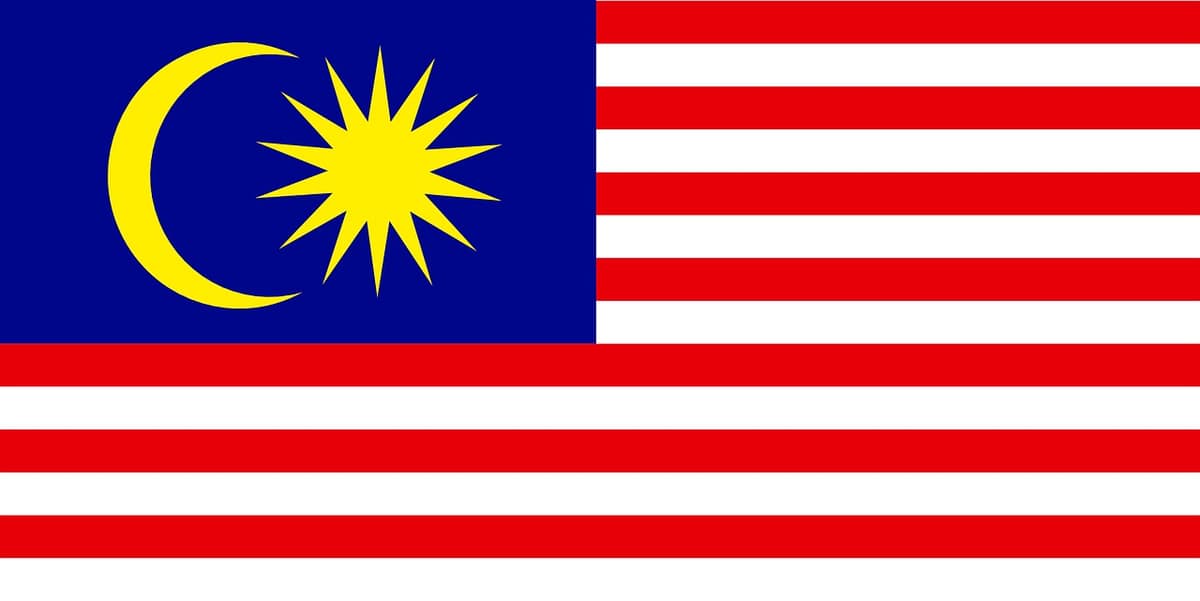
Export Volume
299 milliards USD (2023)
Manufacturers
Plus de 39 000 établissements manufacturiers
Trade Partners
Singapour, Chine, États-Unis
Industries Clés en Malaisie
Électronique et semi-conducteurs
Circuits intégrés, disques durs, circuits imprimés et électronique grand public de Penang, Kulim Hi-Tech Park et la vallée de Klang.
Produits en caoutchouc et gants médicaux
La Malaisie fournit plus de 60 % des gants médicaux d'examen et chirurgicaux mondiaux à partir d'installations au Selangor et à Negeri Sembilan.
Huile de palme et oléochimie
Huile de palme raffinée, corps gras spéciaux et oléochimiques de Sabah, Sarawak et du couloir de transformation de Johor.
Automobile et composants
Assemblage CKD de véhicules Proton, Perodua, Toyota et Honda au Selangor, ainsi que fabrication de composants automobiles pour l'exportation en ASEAN.
Dispositifs médicaux
Cathéters, instruments chirurgicaux et composants d'équipements de diagnostic provenant d'installations à Penang, Selangor et Johor Bahru.
Produits pharmaceutiques et chimiques
Médicaments génériques, produits agrochimiques et produits chimiques spéciaux des couloirs industriels de Selangor et Johor.
Obtenir un Devis pour des Inspections en Malaisie
À partir de 240 $/jour-homme · Planification sous 48h
Devis gratuit et sans engagement · Réponse sous 4 heures · Vos données restent confidentielles
Types d'Inspection Disponibles en Malaisie
Pourquoi Inspecter en Malaisie
Malaisie est une destination d'approvisionnement clé où les contrôles qualité sont essentiels pour protéger votre chaîne d'approvisionnement.
Local Inspectors
Our inspectors en Malaisie understand regional manufacturing practices, common quality issues, and applicable standards.
24-Hour Reports
Detailed photo-documented reports delivered within 24 hours of each inspection, giving you fast, actionable insights.
AQL Sampling Standards
Every inspection follows internationally recognized AQL sampling standards (ISO 2859-1) for reliable, data-driven quality decisions.
48-Hour Scheduling
Rapid scheduling within 48 hours of booking for inspections across Malaisie's major manufacturing regions.
Photo Documentation
Comprehensive photo evidence of defects classified as critical, major, or minor for clear shipping decisions.
Brand Protection
Reduce return rates, avoid customs rejections, and protect your brand reputation when sourcing from Malaisie.
Comment Surmonter Les Défis Du Contrôle Qualité En Malaisie
Garantir la qualité en Malaisie peut s'avérer complexe pour les acheteurs. Cependant, travailler avec une société de contrôle qualité professionnelle comme Tetra Inspection vous assure des produits de haute qualité et conformes aux normes internationales. Contactez-nous
Le contrôle qualité en Malaisie est l'un des défis majeurs auxquels font face les acheteurs qui s'approvisionnent dans ce pays. L'économie malaisienne connaît une croissance soutenue depuis plusieurs années. Grâce à un environnement réglementaire favorable aux entreprises et à des coûts de main-d'œuvre compétitifs, le pays est devenu une destination d'approvisionnement de plus en plus prisée. Bien que la qualité des produits soit généralement satisfaisante, certains problèmes persistent : matériaux sous-normes, délais de livraison imprévisibles ou non-respect des droits des travailleurs, susceptibles de nuire sérieusement à l'image d'une marque. C'est pourquoi il est essentiel de s'associer à un prestataire de contrôle qualité fiable comme Tetra Inspection, afin de réduire ces risques et de s'assurer que vos produits répondent à toutes les exigences de qualité et de sécurité, notamment la norme ISO 9001. Tetra Inspection est un prestataire de référence en matière de services de contrôle qualité en Malaisie. Notre équipe d'inspecteurs expérimentés, répartis sur l'ensemble du territoire, maîtrise les standards QC locaux et les normes internationales. Nous proposons également une gamme étendue de services personnalisables selon vos besoins : inspections produits, audits d'usine, vérification des fournisseurs et audits sociaux.
Paysage Manufacturier en Malaisie
La Malaisie occupe une position stratégique dans la fabrication mondiale, particulièrement dans l'électronique et les semi-conducteurs, où elle est un hub de production majeur depuis plus de cinq décennies. Avec des exportations totales de marchandises d'environ 299 milliards USD en 2023, la Malaisie est le troisième plus grand exportateur d'Asie du Sud-Est et l'une des économies les plus ouvertes au commerce dans le monde en proportion du PIB.
Penang — souvent appelée la « Silicon Valley de l'Est » — est le fer de lance du secteur manufacturier électronique de la Malaisie. L'île accueille des sites de production et des centres R&D d'Intel, Motorola Solutions, Dell, HP, Bosch, Infineon et de dizaines d'autres leaders technologiques mondiaux. La Malaisie fabrique environ 13 % des puces semi-conductrices mondiales et est le septième plus grand exportateur mondial de semi-conducteurs. Le secteur électronique et électrique (E&E) représente plus de 37 % des exportations manufacturières de la Malaisie.
La vallée de Klang (Kuala Lumpur et Selangor) sert de principal centre industriel et commercial, accueillant des usines d'assemblage automobile, des fabricants de produits pharmaceutiques, des transformateurs de denrées alimentaires et des hubs logistiques. Les entreprises automobiles nationales Proton et Perodua ont des usines d'assemblage à Shah Alam et Rawang respectivement, tandis que Toyota, Honda, Mercedes-Benz et BMW exploitent des opérations d'assemblage CKD (completely knocked down) au Selangor.
La Malaisie est le deuxième plus grand producteur mondial d'huile de palme, et l'agro-transformation constitue un segment manufacturier important. L'industrie des gants en caoutchouc, concentrée au Selangor et à Negeri Sembilan, détient une part dominante de 65 % de l'offre mondiale de gants en caoutchouc — un fait qui a gagné une visibilité mondiale pendant la pandémie de COVID-19.
Pour les acheteurs internationaux, la Malaisie offre l'avantage d'un environnement manufacturier mature, maîtrisant l'anglais, avec des cadres juridiques relativement solides et une protection de la propriété intellectuelle plus forte que certains de ses homologues d'Asie du Sud-Est. Néanmoins, l'inspection indépendante reste un outil essentiel pour les acheteurs s'approvisionnant auprès de la base manufacturière PME plus large de la Malaisie.
Réglementations et Conformité en Malaisie
Regulatory Overview
L'organisme Standards Malaysia, sous l'égide du ministère des Sciences, de la Technologie et de l'Innovation, administre la certification SIRIM QAS (Services d'assurance qualité) et la marque ST (Standard Malaysia). L'Autorité des dispositifs médicaux (MDA) sous le ministère de la Santé réglemente les dispositifs médicaux en vertu de la loi sur les dispositifs médicaux 2012. L'Agence nationale de réglementation pharmaceutique (NPRA) régit les exportations pharmaceutiques. Les produits électroniques et E&E exportés vers l'UE doivent respecter le marquage CE et les directives RoHS/WEEE ; les produits destinés aux États-Unis nécessitent une certification FCC. Le Halal Development Corporation (HDC) gère l'écosystème de certification Halal de la Malaisie, précieux pour les exportations alimentaires et de soins personnels vers les marchés à majorité musulmane.
Conseils d'Approvisionnement pour Malaisie
Tip 1
La Malaisie est une société multiethnique (Malais, Chinois, Indiens et communautés autochtones) et les sensibilités religieuses — notamment les pratiques islamiques — sont importantes à comprendre.
Tip 2
La conformité Halal est non seulement une opportunité commerciale mais aussi une exigence légale pour les produits alimentaires et de soins personnels.
Tip 3
Les réunions d'affaires commencent généralement par des échanges de relation ; arriver légèrement en avance et s'habiller de manière conservatrice témoigne du respect.
Tip 4
La culture des affaires des Chinois de Malaisie partage de nombreuses caractéristiques avec les normes continentales chinoises.
Tip 5
Pendant le Ramadan, la production en usine peut légèrement diminuer.
Tip 6
L'anglais est largement utilisé dans les contextes professionnels et manufacturiers.
Questions Fréquentes sur le Contrôle Qualité en Malaisie
Penang a mérité ce surnom parce qu'elle accueille l'une des concentrations les plus denses de fabrication de semi-conducteurs et d'électronique au monde. Depuis qu'Intel y a établi sa première usine d'assemblage à l'étranger en 1972, Penang a attiré plus de 300 entreprises multinationales dont Motorola Solutions, Dell, HP, Bosch, Infineon et Osram. L'écosystème industriel mature de l'île — main-d'œuvre qualifiée, chaînes d'approvisionnement établies, zones de libre-échange et institutions de recherche — en fait l'ancre du secteur manufacturier technologique malaisien.
Les fabricants malaisiens réputés de dispositifs médicaux détiennent ISO 13485 (systèmes de gestion de la qualité pour les dispositifs médicaux) comme base, ainsi que le marquage CE pour l'accès au marché de l'UE, la notification 510(k) de la FDA américaine ou l'approbation PMA pour les ventes aux États-Unis, et l'enregistrement auprès de l'Autorité malaisienne des dispositifs médicaux (MDA). Les acheteurs doivent vérifier ces certifications lors des audits d'usine et confirmer que le dispositif spécifique est couvert par les certificats cités.
Oui. Les tarifs américains sur l'électronique et les semi-conducteurs chinois ont accéléré les investissements en Malaisie alors que les entreprises cherchent à diversifier leurs chaînes d'approvisionnement hors de Chine. Plusieurs grandes opérations d'emballage et de test de semi-conducteurs se sont développées à Penang et Kulim en réponse. Cependant, les autorités douanières américaines appliquent également des règles d'origine — les marchandises doivent subir une transformation substantielle en Malaisie pour bénéficier de l'origine malaisienne. Les acheteurs doivent vérifier les revendications d'origine de la chaîne d'approvisionnement par le biais d'audits d'usine.
L'industrie malaisienne des gants en caoutchouc produit plus de 200 milliards de gants par an. Les principaux contrôles qualité pour les gants médicaux incluent les tests AQL pour les perforations et défauts (selon les normes ASTM D3578 ou EN 455), la vérification des dimensions physiques (longueur, largeur, épaisseur), les tests de résistance à la traction et à l'allongement, et pour les gants en nitrile, les propriétés de résistance chimique. Pour les gants médicaux d'examen destinés au marché américain réglementés par la FDA, la documentation 510(k) et les registres de tests de conformité lot par lot sont essentiels.
La certification Halal malaisienne est administrée par JAKIM (Jabatan Kemajuan Islam Malaysia) et figure parmi les normes Halal les plus reconnues mondialement. Pour les produits alimentaires, boissons, cosmétiques et soins personnels, les usines malaisienne certifiées JAKIM fournissent une accréditation de chaîne d'approvisionnement Halal crédible acceptée dans plus de 70 pays. Les acheteurs s'approvisionnant pour les marchés à majorité musulmane doivent vérifier la validité actuelle du certificat JAKIM, car les certificats nécessitent un renouvellement annuel.
Les services d'inspection en Malaisie coûtent 240 USD par jour-homme — tout compris, sans frais cachés. Les audits d'usine débutent à 440 USD par jour-homme. Les principales zones industrielles incluant Penang, la vallée de Klang (Selangor/Kuala Lumpur), Johor Bahru et Ipoh sont bien couvertes par notre réseau d'inspecteurs. Contactez Tetra Inspection pour un devis spécifique basé sur votre type de produit et votre localisation manufacturière.
Obtenir un Devis pour des Inspections en Malaisie
Nos inspecteurs en Malaisie sont prêts à protéger votre chaîne d'approvisionnement. Obtenez un devis en quelques minutes.
Nos inspecteurs en Malaisie réservent 2 à 3 semaines à l'avance