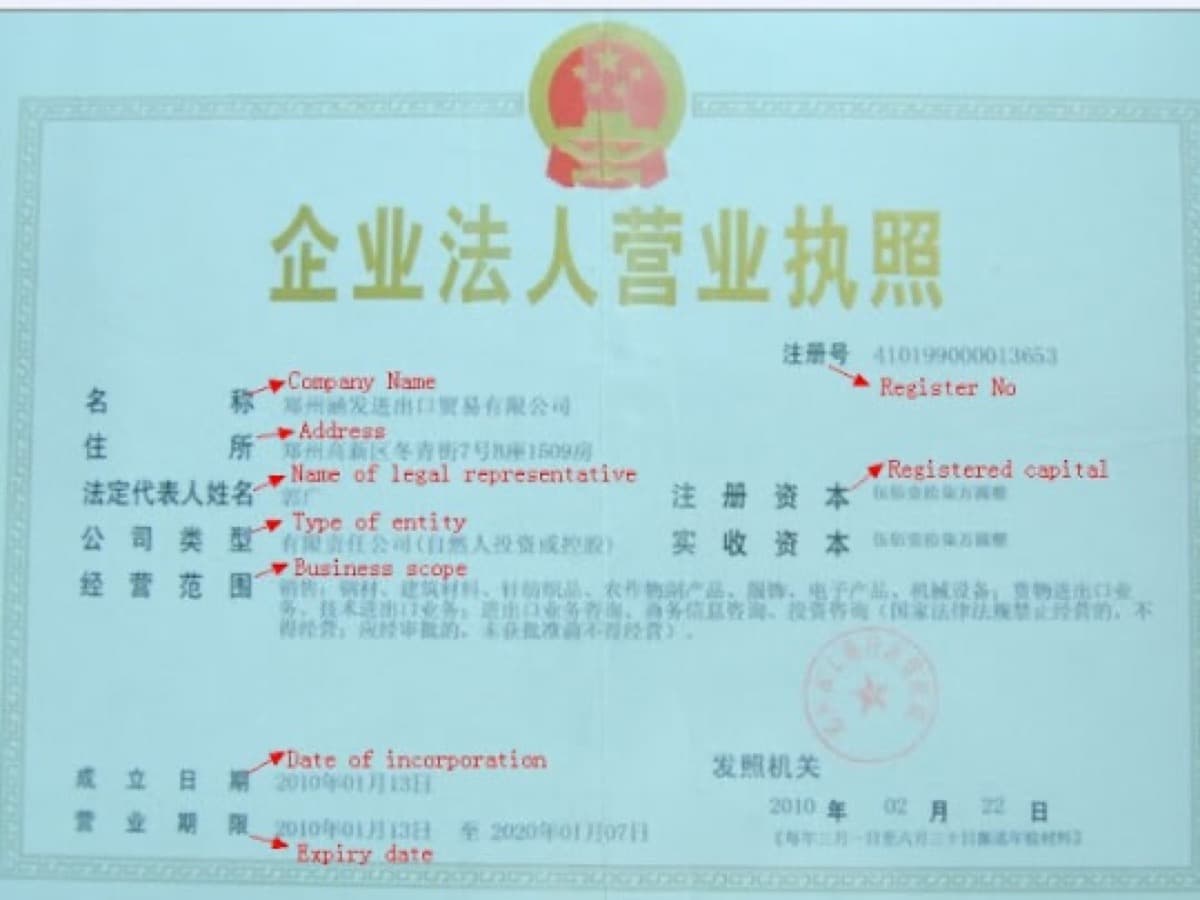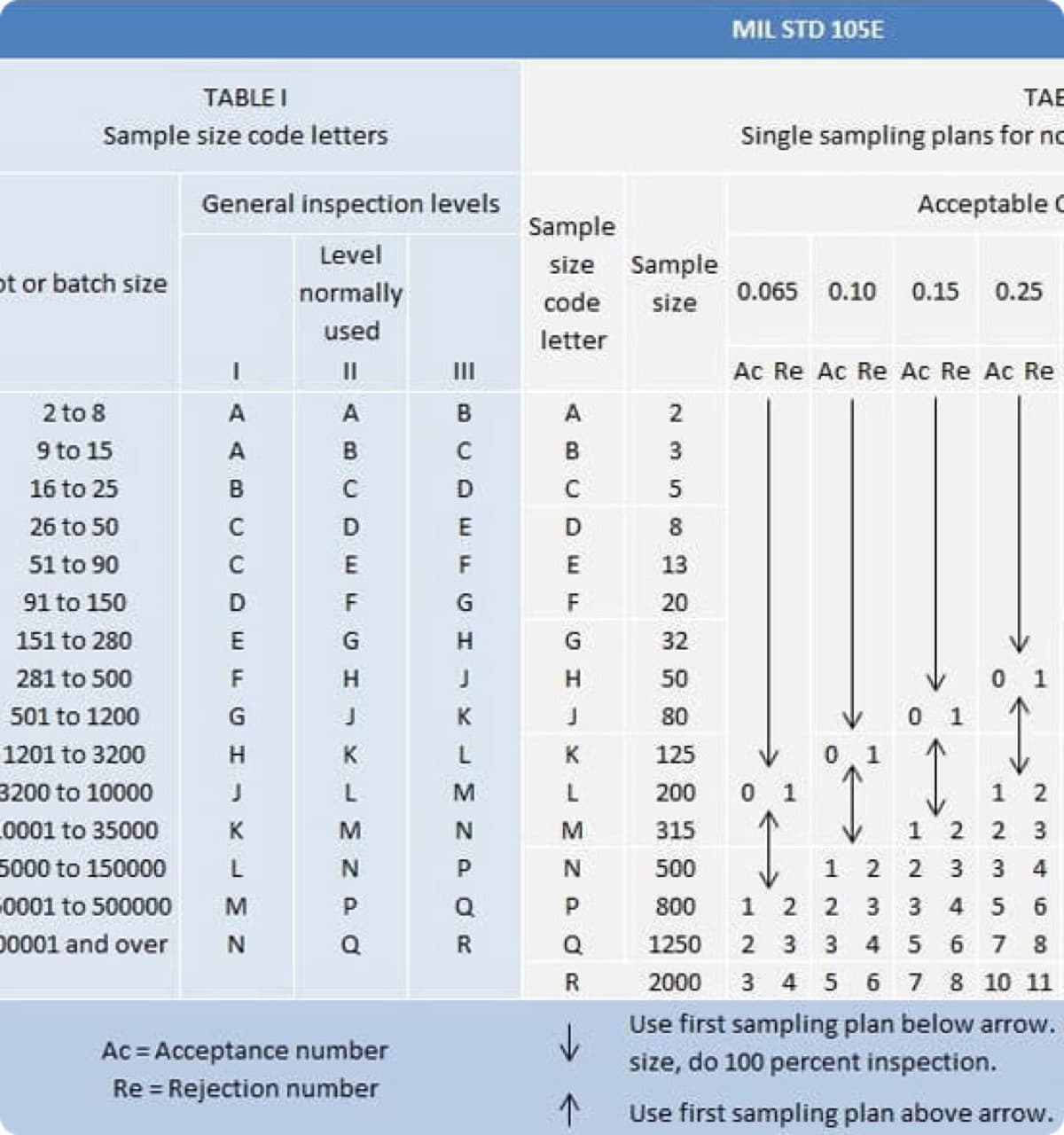

A certificate of conformity (CoC) is an official document certifying that a product meets the specific safety, quality, and regulatory standards required for it to be legally sold or imported into a target market. Issued by the manufacturer or by an authorized third-party body, it is the documentary proof that customs authorities, retailers, and buyers rely on to confirm a shipment is compliant before it crosses a border.
What Is a Certificate of Conformity?
A certificate of conformity, also known as a CoC, is a document that certifies that a product conforms to specific quality and safety standards. The standards can be set by a number of different bodies, such as the European Union, the United States, the Gulf Cooperation Council (GCC), or Saber Certificate for Saudi Arabia. For products sold across the Gulf, this takes the form of G-Mark certification.
If you are an importer, it is likely that you will need to obtain a Certificate of Conformance for the products you want to import into a country.
There are two main types of CoC: voluntary and mandatory. Voluntary CoC is obtained on a voluntary basis by the manufacturer in order to show that their product meets certain quality standards.
Mandatory conformity certificate, on the other hand, is required by law in order for the product to be imported into the country. In this blog, we've compiled everything you need to know about how to apply for a certificate of conformity, so you can get the process started with confidence.
Why Is It Important to Have a Certificate of Conformity?
A certificate of conformity is important because it shows that your product meets the quality standards required by the country you are importing it into. This can help build trust between you and your customers, as well as improve your chances of successfully importing your products into the country. Moreover, having a CoC certificate can also help you avoid costly delays or fines at customs.
How Do You Get a Certificate of Conformity?
A CoC certificate is an important document that can help to ensure that the products you import comply with all applicable laws and regulations. It is obtained from the manufacturer and should be provided to the importer prior to importation. In some cases, a CoC certificate is issued by an independent authorized body. Here's how to get a CoC certificate:
The process for obtaining a letter of conformance or CoC certificate varies depending on the country you are importing into and the type of product you are importing. However, there are some general steps that you will need to follow in order to obtain a CoC Certificate from an independent authorized certification body.
First, you will need to identify the bodies that issue certificates of conformity for the country you are importing into. For example, if you are importing into the EU, you will need to contact an EU-notified body. Once you have identified the relevant body, you will need to contact them and request an application form for the certificate of conformity.
After filling out the application form, you will also need to provide supporting documentation, such as the manufacturer's contact details, copies of test reports, technical files, or instructions for use. Once you have submitted all the required documentation, the issuing body will review your application, verify if the product or system meets the required standards and decide whether or not to issue you with a product certificate.
What Is a CE Certificate of Conformity for Consumer Electronics?
The CE Certificate of conformity for consumer electronics is a mandatory conformity mark for certain products sold within the European Economic Area (EEA). The CE marking indicates to authorities and consumers that the product meets the minimum safety requirements set out in EU directives. In order to affix the CE mark to a product, the manufacturer must perform a conformity assessment and draw up an EU Declaration of Conformity.
(Related: Understanding RoHS Compliance: Everything You Need to Know)
However, the CE marking is not a quality mark; it does not indicate that a product is of good quality or fit for purpose. The CE certificate is simply a declaration by the manufacturer that the product complies with EU directives.
The CE certificate of conformity must be issued by an authorized body and must include the following information:
- The name and contact details of the authorized body
- The name and address of the manufacturer
- A description of the product
- The EU directives for which the product has been assessed
- The date of issue of the certificate
- The identity and signature of the person issuing the certificate
If you need assistance obtaining a certificate of conformity, or any aspect of quality control inspection, please contact us today.
Tetra Inspection offers comprehensive pre-shipment inspection services, during production inspection to help protect your supply chain and ensure product quality.
Ensure your products meet quality standards with Tetra Inspection's factory audit — our inspectors provide detailed reports within 24 hours.
Learn more about quality inspection best practices in our AQL calculator and sampling guide.
What Information Does a Certificate of Conformity Contain?
While the exact format depends on the issuing scheme, a valid certificate of conformity generally includes:
- The name and address of the manufacturer (and importer, where applicable)
- A clear description and model or batch number of the product
- The standards, directives, or regulations the product was assessed against (for example ISO 2859-1 sampling results or the relevant EU directives)
- References to the supporting test reports and technical documentation
- The name, signature, and details of the person or body issuing the certificate
- The date and place of issue
Certificate of Conformity vs Declaration of Conformity
These two documents are often confused. A declaration of conformity is self-declared: the manufacturer takes sole responsibility for stating that the product meets the applicable requirements. A certificate of conformity is typically issued or verified by an independent third party or an approved conformity assessment body, which gives customs officials and buyers a stronger, more credible level of assurance. For many regulated markets, a third-party CoC — not a self-declaration — is what actually clears customs.
When Do You Need a Certificate of Conformity?
You generally need a CoC whenever the destination market makes it a condition of import or sale. Requirements fall into two groups:
- Mandatory CoC — required by law before goods can clear customs. Examples include G-Mark certification for the Gulf Cooperation Council, and SABER and SASO certification for Saudi Arabia.
- Voluntary CoC — obtained by the manufacturer to demonstrate product quality and build buyer trust, even when it is not legally required.
A pre-shipment inspection is a practical way to confirm your goods actually match the specifications a certificate of conformity certifies — before they leave the factory, and before a non-conformity is discovered at the border.
Certificates for the United States: GCC, CPC and the eFiling Rule
The United States runs a different system, and one acronym clash is worth clearing up first. In Gulf trade GCC means the Gulf Cooperation Council. In US consumer-product law it means General Certificate of Conformity — two unrelated things that appear in the same shipping file.
Under the Consumer Product Safety Improvement Act the certificate you owe depends on who the product is for.
- General Certificate of Conformity (GCC) — for general-use products subject to a safety rule enforced by the Consumer Product Safety Commission. It can rest on your own testing or a reasonable testing programme. Third-party laboratory testing is not required.
- Children’s Product Certificate (CPC) — for products designed or intended primarily for children of 12 or under that fall under a children’s product safety rule. This one must rest on third-party testing at a CPSC-accepted laboratory. A supplier’s in-house test report does not satisfy it, and this is the single most common compliance failure in the category.
For imported goods the certificate is the importer’s legal responsibility, not the factory’s. A CPC has to identify the product, cite each safety rule it is certified to, name the importer or domestic manufacturer with full address and telephone number, give a contact for the test records, state the date and place of manufacture and of testing, and identify the third-party laboratory.
Since 8 July 2026, this data must be filed electronically. CPSC eFiling is now mandatory: certificate data has to reach US Customs through the CPSC Partner Government Agency message set at the time of entry, the way FDA and EPA data already does. There are two routes — filing the full set of data elements with every entry, or uploading the certificate to the CPSC product registry in advance and filing a short reference to it instead. There is no low-value exemption: the requirement applies regardless of shipment value, direct-to-consumer parcels included.
The practical shift is that a certificate which used to sit in a folder until someone asked for it is now data that has to be right before the goods reach the port. An incomplete or mismatched certificate becomes a customs hold rather than a paperwork chore, and the usual cause is a certificate citing a rule the product was never actually tested against.
Certificate of Conformity FAQ
What is a certificate of conformity?
A certificate of conformity (CoC) is an official document certifying that a product meets the safety, quality, and regulatory standards required for sale or import in a specific market. It can be issued by the manufacturer or by an authorized third-party certification body.
Who issues a certificate of conformity?
Depending on the market and product, a CoC may be issued by the manufacturer or by an authorized third-party conformity assessment body. For regulated markets such as Saudi Arabia (SABER/SASO) or the GCC (G-Mark), an approved body issues the certificate after reviewing the product test reports and technical documentation.
What is the difference between a certificate of conformity and a declaration of conformity?
A declaration of conformity is self-declared by the manufacturer, who takes responsibility for compliance. A certificate of conformity is typically issued or verified by an independent third party, giving customs and buyers stronger assurance that the product meets the required standards.
Is a certificate of conformity mandatory?
It depends on the destination country and product type. Mandatory CoCs are required by law for goods to clear customs — for example G-Mark in the GCC or SABER in Saudi Arabia — while voluntary CoCs are obtained to demonstrate quality to buyers.
How do you get a certificate of conformity?
Identify the conformity assessment body for your destination market, submit an application with the manufacturer's details, product test reports, and technical files, and the body reviews them against the relevant standards before issuing the certificate.
Frequently Asked Questions
What is a certificate of conformity?
A certificate of conformity (CoC) is an official document certifying that a product meets the safety, quality, and regulatory standards required for sale or import in a specific market. It can be issued by the manufacturer or by an authorized third-party certification body.
Who issues a certificate of conformity?
Depending on the market and product, a CoC may be issued by the manufacturer or by an authorized third-party conformity assessment body. For regulated markets such as Saudi Arabia (SABER/SASO) or the GCC (G-Mark), an approved body issues the certificate after reviewing the product test reports and technical documentation.
What is the difference between a certificate of conformity and a declaration of conformity?
A declaration of conformity is self-declared by the manufacturer, who takes responsibility for compliance. A certificate of conformity is typically issued or verified by an independent third party, giving customs and buyers stronger assurance that the product meets the required standards.
Is a certificate of conformity mandatory?
It depends on the destination country and product type. Mandatory CoCs are required by law for goods to clear customs — for example G-Mark in the GCC or SABER in Saudi Arabia — while voluntary CoCs are obtained to demonstrate quality to buyers.
How do you get a certificate of conformity?
Identify the conformity assessment body for your destination market, submit an application with the manufacturer's details, product test reports, and technical files, and the body reviews them against the relevant standards before issuing the certificate.
Is a General Certificate of Conformity the same as a Children’s Product Certificate?
No. A General Certificate of Conformity covers general-use products subject to a Consumer Product Safety Commission rule and may rest on your own testing or a reasonable testing programme. A Children’s Product Certificate covers products intended primarily for children of 12 or under and must rest on third-party testing at a CPSC-accepted laboratory. Using a supplier’s in-house report to support a children’s product certificate is the most common failure in this area. Note also that GCC in Gulf trade means the Gulf Cooperation Council, which is unrelated.
Do I still have to file my CPSC certificate data electronically?
Yes. CPSC eFiling became mandatory on 8 July 2026. The certificate data must reach US Customs through the CPSC message set at the time of entry, either as the full set of data elements filed with each entry or as a short reference to a certificate already uploaded to the CPSC product registry. There is no low-value or direct-to-consumer exemption, so the requirement applies whatever the shipment is worth.
About the Author
Mohamed Afilal
Founder & CEO, Tetra Inspection
Mohamed Afilal is the Founder and CEO of Tetra Inspection, with over 10 years of experience in quality control and supply chain management across Asia, Europe, and Africa. He has personally overseen thousands of product inspections and factory audits, helping importers, retailers, and e-commerce brands safeguard product quality at the source.
LinkedInNeed Help With This?
Our inspectors handle this across 45+ countries with 48-hour scheduling.
Get Inspection Insights
Monthly quality tips and industry data.