What Is the Gray Scale (Grey Scale)?
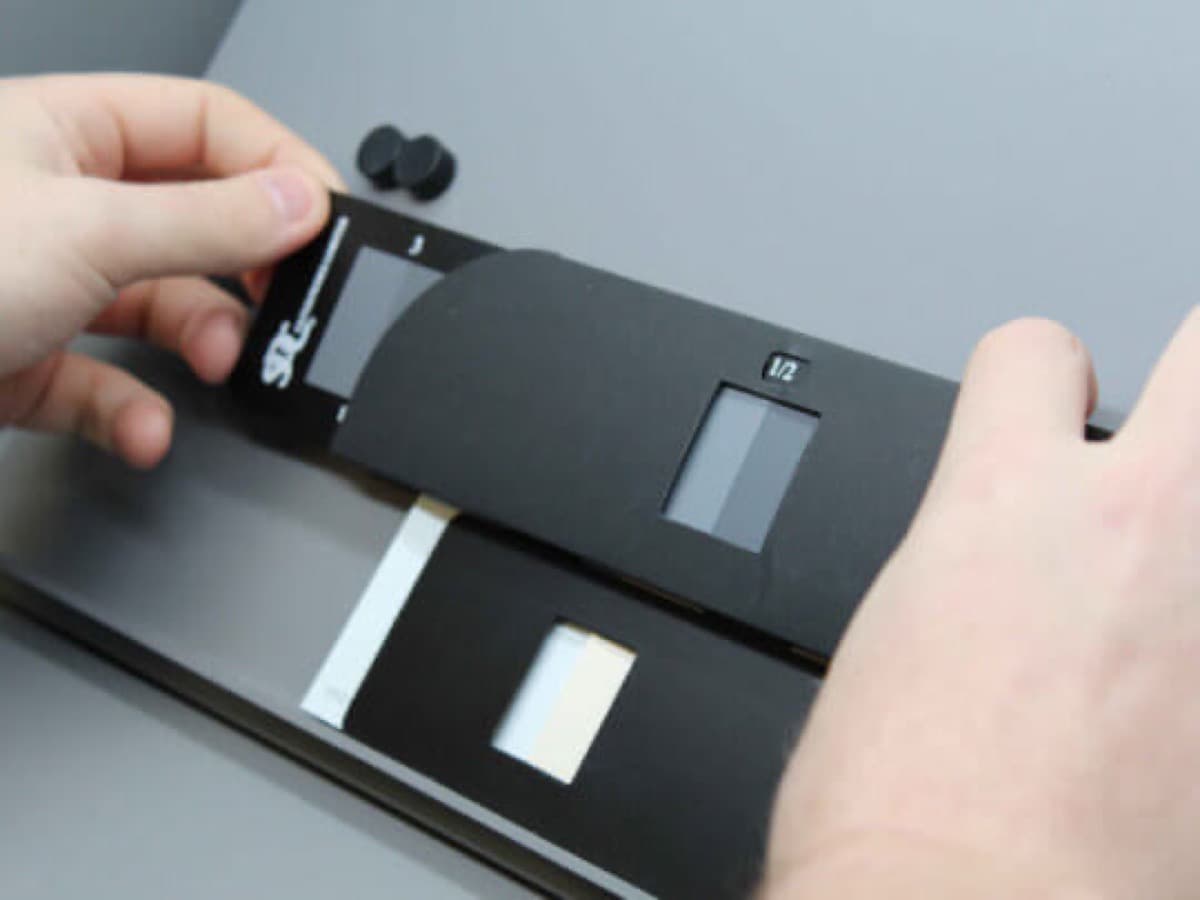
The gray scale (also spelled grey scale) is the standard reference tool used to grade colour change and staining during textile colour-fastness testing. It compares a tested sample against a series of grey chips and assigns a grade from 1 to 5 — in half steps (1, 1–2, 2, 2–3, and so on) — where 5 is the best and 1 is the worst. Generally speaking, many overseas clients accept grade 4 and above, while some accept grades 3–4.
There are two types of gray scale (grey scale): one for evaluating colour change and one for evaluating staining. The colour-change scale consists of nine pairs of grey-coloured chips, from grades 1 to 5, used to judge how far a sample shifts from the customer's approved standard.
Gray Scale Grades: Quick Reference
Inspectors and buyers use the gray scale to communicate colour quality objectively. Here is what each grade means and how it is typically treated during a pre-shipment inspection:
- Grade 5 — No visible colour change or staining. Excellent colour fastness.
- Grade 4–5 — Barely perceptible change. Comfortably passes most retail requirements.
- Grade 4 — Slight but visible change. The common minimum pass for the EU and North American markets.
- Grade 3–4 — Noticeable change. Often the lowest grade some buyers will accept.
- Grade 2 — Significant change. Usually rejected.
- Grade 1 — Severe colour change or heavy staining. Fail.
How to Use the Gray Scale
For colour staining, the gray scale is mainly used to examine staining after rubbing with dry and wet white cotton cloths in a professional lab. A technician usually attaches one white cotton cloth to the sample, puts them together into a washing machine, and observes the outcome. An inspector usually cannot perform this test on-site because the equipment and time are restricted. Instead, an inspector may carry out a rub test for colour staining. To do this, the inspector prepares two pieces of white cotton material — one wet and one dry. The garment quality inspector rubs the production sample 10 times with each cloth using a force of 9N (1KG), then grades the colour transferred onto the white cloth against the gray scale.
Nowadays, many 3rd party inspection companies are increasing their inspectors' skills and training on how to use special tools to examine product quality. For example, during a soft-goods or fabric inspection, the most essential tools include newton meters, metal detectors, barcode scanners, and Pantone books. While all these tools are important, the only way to assess colour shades accurately during a textile quality inspection is the gray scale.
Understanding the Gray Scale Grading System
The gray scale grading system is standardized under ISO 105-A02 (for colour change) and ISO 105-A03 (for staining). Each scale provides a numerical rating that helps inspectors, manufacturers, and buyers communicate objectively about colour quality. A grade of 5 indicates no visible change or staining, while a grade of 1 indicates a severe change. The half-step increments (such as 3–4 or 4–5) allow for more precise assessments when the result falls between two full grades.
For most international markets, particularly in Europe and North America, a minimum gray scale rating of 4 is required for colour fastness to washing and rubbing. Products scoring below this threshold are typically rejected during pre-shipment inspection because they are likely to bleed, fade, or transfer colour during normal consumer use.
When Is Gray Scale Testing Applied?
Gray scale testing is most commonly applied during quality control inspections for textile and garment products. Inspectors use grey scale cards at several critical checkpoints: during raw material verification (to confirm fabric meets the approved colour standard), during production (to monitor batch-to-batch consistency), and during the final pre-shipment inspection (to confirm finished goods match the buyer's approved sample).
Beyond textiles, gray scale evaluation is also relevant for leather goods, printed materials, dyed plastics, and any product where colour consistency and durability are commercial requirements. The methodology remains the same — comparing the tested sample against the standardized grey chips under controlled lighting conditions (typically D65 daylight or equivalent).
Gray Scale Expected Results
- There should be no colour transfer worse than grade 4 on the gray scale (between the original white fabric and the coloured one) after the dry test.
- There should be no colour transfer worse than 3–4 on the gray scale (between the original white fabric and the coloured one) after the wet test.
- To get the most from the results, the inspector should analyse the technique and outcome and discuss it clearly with the factory.
The factory should be able to help — for example, by providing good-quality 100% cotton white fabric and supplying excellent room lighting and conditions. In a textile inspection, the inspector's experience is extremely important when performing this test, so make sure to use a trustworthy quality control company.
Tetra Inspection offers comprehensive during production inspection to help protect your supply chain and ensure product quality. For more information, explore our AQL calculator and sampling guide to understand how inspection sampling works.
Frequently Asked Questions
What is the gray scale used for?
The gray scale (grey scale) is used to grade colour fastness in textiles — how much a sample changes colour or stains an adjacent white fabric after washing, rubbing, light, or perspiration. Inspectors compare the result against grey reference chips and assign a grade from 1 (severe change) to 5 (no change), giving buyers and factories an objective, repeatable way to judge colour quality.
What does grayscale mean in textile testing?
In textile testing, grayscale (gray scale / grey scale) refers to the standardized set of grey chips defined by ISO 105-A02 and ISO 105-A03. It is the measuring instrument used to rate colour change and staining on a 1–5 scale. It is not a colour itself but a calibrated grading reference that turns a visual comparison into a documented numerical result.
What is the difference between the colour-change and staining gray scales?
The colour-change gray scale (ISO 105-A02) measures how much the tested sample itself shifts from its original shade. The staining gray scale (ISO 105-A03) measures how much colour transfers onto an undyed white companion fabric. Both use a 1–5 grading system, but they assess two different risks: fading of the product versus cross-staining of other items.
What gray scale grade is a pass?
For most EU and North American retail programmes, grade 4 is the common minimum pass for colour fastness to washing and rubbing, with grade 3–4 sometimes accepted for the wet rub test. Anything below 3–4 is usually rejected because the product is likely to bleed, fade, or stain other garments in normal use. Always confirm the exact requirement with your buyer.
Which ISO standards govern the gray scale?
The two core standards are ISO 105-A02 (gray scale for assessing change in colour) and ISO 105-A03 (gray scale for assessing staining). These define the grey chips, grading steps, and viewing conditions. Tetra Inspection applies these recognised methods alongside AQL sampling (ISO 2859-1) during textile and garment inspections.
Frequently Asked Questions
What is the gray scale used for?
The gray scale (grey scale) is used to grade colour fastness in textiles — how much a sample changes colour or stains an adjacent white fabric after washing, rubbing, light, or perspiration. Inspectors compare the result against grey reference chips and assign a grade from 1 (severe change) to 5 (no change), giving buyers and factories an objective, repeatable way to judge colour quality.
What does grayscale mean in textile testing?
In textile testing, grayscale (gray scale / grey scale) refers to the standardized set of grey chips defined by ISO 105-A02 and ISO 105-A03. It is the measuring instrument used to rate colour change and staining on a 1–5 scale. It is not a colour itself but a calibrated grading reference that turns a visual comparison into a documented numerical result.
What is the difference between the colour-change and staining gray scales?
The colour-change gray scale (ISO 105-A02) measures how much the tested sample itself shifts from its original shade. The staining gray scale (ISO 105-A03) measures how much colour transfers onto an undyed white companion fabric. Both use a 1–5 grading system, but they assess two different risks: fading of the product versus cross-staining of other items.
What gray scale grade is a pass?
For most EU and North American retail programmes, grade 4 is the common minimum pass for colour fastness to washing and rubbing, with grade 3–4 sometimes accepted for the wet rub test. Anything below 3–4 is usually rejected because the product is likely to bleed, fade, or stain other garments in normal use. Always confirm the exact requirement with your buyer.
Which ISO standards govern the gray scale?
The two core standards are ISO 105-A02 (gray scale for assessing change in colour) and ISO 105-A03 (gray scale for assessing staining). These define the grey chips, grading steps, and viewing conditions. Tetra Inspection applies these recognised methods alongside AQL sampling (ISO 2859-1) during textile and garment inspections.
About the Author
Mohamed Afilal
Founder & CEO, Tetra Inspection
Mohamed Afilal is the Founder and CEO of Tetra Inspection, with over 10 years of experience in quality control and supply chain management across Asia, Europe, and Africa. He has personally overseen thousands of product inspections and factory audits, helping importers, retailers, and e-commerce brands safeguard product quality at the source.
LinkedInNeed Help With This?
Our inspectors handle this across 45+ countries with 48-hour scheduling.
Get Inspection Insights
Monthly quality tips and industry data.