As an Amazon FBA seller, ensuring the quality of your products is crucial to the success of your business. Not only does it protect your reputation and customer satisfaction, but it also ensures that your products meet Amazon's strict quality control standards. In this article, we will discuss the Amazon quality control process, best practices for Amazon FBA quality control, and how using a third-party inspection service like Tetra Inspection can help you ensure the quality of your products.
Amazon Quality Control Process
Amazon's Quality Control Process is designed to ensure that all products sold on their platform meet their strict standards for safety, labeling, packaging, and authenticity. This process includes the following steps:
Amazon Labeling Requirements:
Labeling is the process of attaching information to the product about its composition, origin, manufacturer, usage, and safety. Amazon has strict labeling requirements for all the products sold on its platform. The product labels should be in compliance with the country's regulations and standards. Some of the important information that should be displayed on the product label are:
Product Name
Manufacturer Information
Ingredients List
Net Weight
Country of Origin
Recycling Information
Amazon Warning Labels:
Warning labels are an important aspect of product labeling as they help to prevent potential harm to the customers. Amazon requires all the products sold on its platform to have warning labels if they contain any hazardous substance or pose a risk to the customer's health and safety. For products sold in California, a Proposition 65 warning may also be legally required. The warning labels should be written in a clear and legible font, and the message should be easily understood. Here are some of the most important Amazon warning labels:
- "Fragile" or "Handle with Care" for items that may break easily.
- "This End Up" for items that should be stored or shipped in a specific orientation.
- "Top Load Only" for items that should not be stacked.
- "Keep Dry" for items that should not get wet.
- "This Side Up" for items that should be stored or shipped upright.
- "Keep Refrigerated" for perishable items that require refrigeration.
- "Warning" for items that pose a potential hazard or danger.
Amazon Packaging Requirements:
The packaging of a product is a crucial aspect of its delivery and storage. Amazon has strict packaging requirements to ensure the safe delivery of products and to reduce the environmental impact. Some of the important requirements for packaging are:
- The packaging must be sturdy and secure enough to protect the product during transit.
- Labeling and markings must comply with Amazon's labeling guidelines.
- Must be easy to open and must not require special tools or additional steps to open.
- It must not contain prohibited materials such as hazardous chemicals.
- The packaging should be recyclable or biodegradable where applicable.
- Should be the appropriate size and weight for the product and shipment type.
- Must comply with Amazon's Frustration-Free Packaging Program requirements if applicable.
Amazon FNSKU Labels:
Amazon FBA (Fulfillment by Amazon) FNSKU (Amazon's Fullfillment Network Stock Keeping Unit) Label is a unique identifier assigned to each product stored in Amazon's fulfillment centers. This label is used to track inventory and ensures that the correct product is sent to the right customer. To get an FBA FNSKU Label, follow these steps:
- Create an Amazon seller account
- List your product on Amazon's marketplace
- Prepare your product for shipment to an Amazon fulfillment center
- Apply the FBA FNSKU Label to your product before shipping it to Amazon
- Wait for Amazon to receive and inspect your product
- Once your product is approved, it will become available for sale on Amazon's marketplace.
Best Practices for Amazon FBA Quality Control
Regular Inspections and Testing:
Regularly inspect your products for any defects or issues, such as damages or missing components.
Conduct thorough testing of your products to ensure they are functional and meet quality standards.
Keep detailed records of all inspections and testing, including any issues found and how they were addressed.
Packaging and Labeling:
Use high-quality packaging materials to protect your products during transit.
Clearly label your products with relevant information, such as product name, weight, and any warning labels.
Make sure your packaging and labeling comply with any relevant regulations or laws.
Product Listing Information:
Use high-quality images that accurately depict your products.
Provide detailed descriptions that include all relevant information, such as dimensions, materials, and features.
Use clear and concise language to make it easy for customers to understand what they are buying.
Customer Feedback:
Monitor customer feedback regularly, including reviews and ratings on your product listings.
Address any concerns or complaints as soon as possible, and make sure to follow up with customers to ensure their satisfaction.
Use customer feedback to identify areas for improvement and make changes to your products or processes as needed.
Inventory Management:
Keep a close eye on your inventory levels to ensure that you always have enough products on hand to meet customer demand.
Use inventory management software or tools to track your stock levels and reorder products as needed.
Monitor your sales data to identify which products are selling well and adjust your inventory accordingly.
How Tetra Inspection Can Help You with Amazon FBA Quality Control
As a reputed third-party inspection service provider, Tetra Inspection can help Amazon sellers ensure the quality of their products. We offer a variety of services, supplier verification audit Audit, Product Inspection, including pre-shipment inspection servicess, production monitoring, and quality control audits. Our Amazon FBA inspection services are specifically designed to help Amazon FBA sellers to identify and address any issues with products before they reach customers, ensuring that they meet Amazon's strict quality control standards.
One of the key benefits of using Tetra Inspection is that we have a team of experienced and trained inspectors who can conduct thorough inspections and testing of your products. With a meticulous approach, our inspectors check for defects, ensure compliance with regulations and safety standards, and verify that your products are packaged and labeled correctly. This can help sellers catch any issues before they become a problem and ensure that their products meet Amazon's quality control standards.
Amazon FBA Quality Control Checklist for Sellers
A structured quality control checklist helps sellers systematically verify product quality before shipping to Amazon fulfillment centers. Your checklist should cover these essential areas:
- Product specifications: Verify dimensions, weight, color, and materials match your listing exactly. Even minor discrepancies can trigger customer complaints and A-to-Z claims.
- Functionality testing: Test a statistically significant sample of units for core functionality. For electronics, this includes power-on tests, button responsiveness, and connectivity. For mechanical products, test moving parts and durability.
- Labeling compliance: Confirm all required labels are present — FBA barcodes (FNSKU), country of origin markings, warning labels (CPSIA for children's products, Prop 65 for California), and any certification marks.
- Packaging integrity: Check that packaging protects the product during transit, poly bags include suffocation warnings where required, and product presentation matches your listing images.
- Carton specifications: Verify carton dimensions and weight comply with Amazon's inbound shipping requirements. Overweight or oversized cartons may be refused at fulfillment centers.
What Happens When Amazon FBA Products Fail Quality Checks
When products fail Amazon's quality standards, the consequences escalate quickly. First-time issues may result in customer returns and negative reviews, which directly impact your product ranking and Buy Box eligibility. Repeated quality failures can trigger product listing suppression, where Amazon removes your listing until the issue is resolved. In severe cases — particularly involving safety complaints — Amazon may suspend your selling privileges entirely, freeze your inventory, and require a formal Plan of Action before reinstatement.
The cost of quality failures extends beyond Amazon penalties. Return shipping, restocking, and disposal fees add up fast. A single shipment of defective products can cost sellers thousands of dollars in lost inventory, refunds, and advertising spend wasted on a product that accumulates negative reviews. Investing in pre-shipment inspection before goods leave the factory is significantly cheaper than dealing with the fallout of quality issues after products reach Amazon warehouses.
Frequently Asked Questions About Amazon FBA Quality Control
What AQL level should Amazon FBA sellers use?
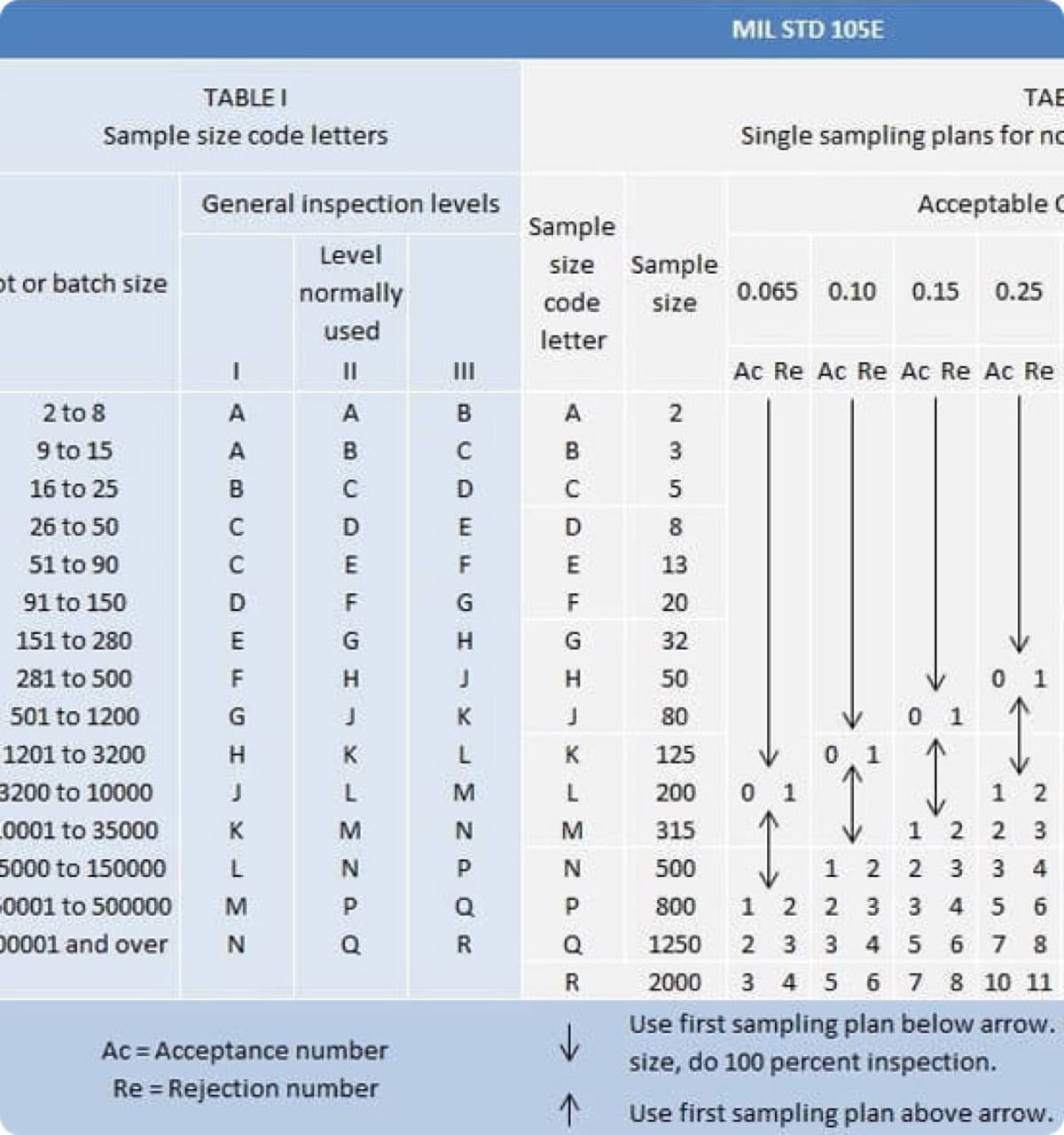
Most Amazon FBA sellers use AQL 2.5 for major defects and AQL 4.0 for minor defects, following the ISO 2859-1 (ANSI Z1.4) sampling standard. For high-value products or products with safety implications, consider using a tighter AQL of 1.5 for major defects. Your AQL level should reflect both the product category risk and your tolerance for returns.
Do I need a third-party inspection for Amazon FBA?
While Amazon does not require third-party inspection, it is strongly recommended — especially when sourcing from overseas suppliers. Third-party inspectors provide independent verification that your products meet specifications before they ship. This is particularly important for private label sellers who cannot physically visit the factory. The cost of a single inspection (from $240 per man-day) is a fraction of what a failed shipment could cost in returns, negative reviews, and lost rankings.
How do I handle quality issues found during inspection?
If your inspection reveals defects above your AQL threshold, do not approve the shipment. Share the detailed inspection report with your supplier, highlighting specific defects with photos. Request a corrective action plan with a clear timeline for rework. Schedule a re-inspection after the supplier completes corrections. For recurring issues, consider switching to during production inspection to catch problems earlier in the manufacturing process.
What are Amazon's most common reasons for FBA rejections?
The most frequent FBA rejection reasons include incorrect or missing FNSKU barcodes, products not matching listing descriptions, insufficient packaging protection, missing suffocation warnings on poly bags, and non-compliant labeling for regulated categories (toys, electronics, food contact materials). A pre-shipment inspection specifically calibrated for Amazon FBA requirements catches these issues before shipment.
Can quality control help improve my Amazon product ranking?
Yes. Consistent product quality directly impacts several Amazon ranking factors: fewer returns improve your Order Defect Rate (ODR), positive reviews boost organic ranking, and maintaining a low defect rate protects your Buy Box eligibility. Sellers who implement systematic quality control typically see 30-50% fewer returns and significantly higher average review ratings compared to those who skip inspection.
To learn more about our pricing, check out our quality control subscription plans.
Frequently Asked Questions
What AQL level should Amazon FBA sellers use?
Most Amazon FBA sellers use AQL 2.5 for major defects and AQL 4.0 for minor defects, following the ISO 2859-1 (ANSI Z1.4) sampling standard. For high-value products or products with safety implications, consider using a tighter AQL of 1.5 for major defects. Your AQL level should reflect both the product category risk and your tolerance for returns.
Do I need a third-party inspection for Amazon FBA?
While Amazon does not require third-party inspection, it is strongly recommended — especially when sourcing from overseas suppliers. Third-party inspectors provide independent verification that your products meet specifications before they ship. This is particularly important for private label sellers who cannot physically visit the factory. The cost of a single inspection (from $240 per man-day) is a fraction of what a failed shipment could cost in returns, negative reviews, and lost rankings.
How do I handle quality issues found during inspection?
If your inspection reveals defects above your AQL threshold, do not approve the shipment. Share the detailed inspection report with your supplier, highlighting specific defects with photos. Request a corrective action plan with a clear timeline for rework. Schedule a re-inspection after the supplier completes corrections. For recurring issues, consider switching to during production inspection to catch problems earlier in the manufacturing process.
What are Amazon's most common reasons for FBA rejections?
The most frequent FBA rejection reasons include incorrect or missing FNSKU barcodes, products not matching listing descriptions, insufficient packaging protection, missing suffocation warnings on poly bags, and non-compliant labeling for regulated categories (toys, electronics, food contact materials). A pre-shipment inspection specifically calibrated for Amazon FBA requirements catches these issues before shipment.
Can quality control help improve my Amazon product ranking?
Yes. Consistent product quality directly impacts several Amazon ranking factors: fewer returns improve your Order Defect Rate (ODR), positive reviews boost organic ranking, and maintaining a low defect rate protects your Buy Box eligibility. Sellers who implement systematic quality control typically see 30-50% fewer returns and significantly higher average review ratings compared to those who skip inspection. To learn more about our pricing, check out our quality control subscription plans.
About the Author
Mohamed Afilal
Founder & CEO, Tetra Inspection
Mohamed Afilal is the Founder and CEO of Tetra Inspection, with over 10 years of experience in quality control and supply chain management across Asia, Europe, and Africa. He has personally overseen thousands of product inspections and factory audits, helping importers, retailers, and e-commerce brands safeguard product quality at the source.
LinkedInNeed Help With This?
Our inspectors handle this across 45+ countries with 48-hour scheduling.
Get Inspection Insights
Monthly quality tips and industry data.