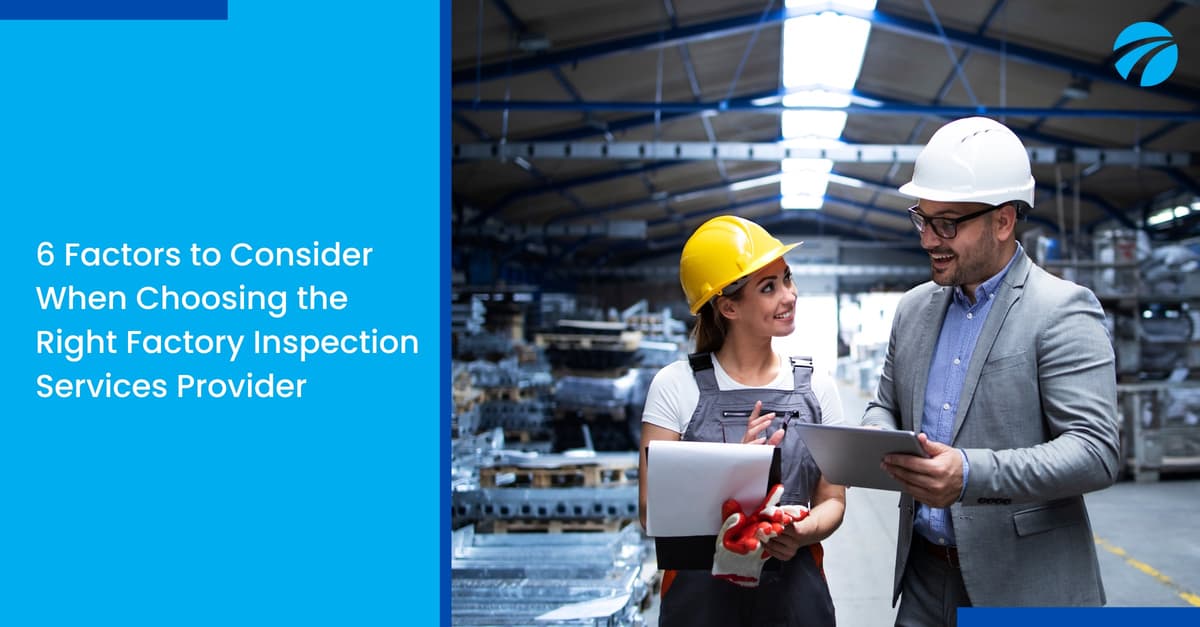
In the manufacturing and production industry, the quality of a product is of utmost importance. From raw materials to the final product, every step must be monitored and regulated to ensure that the end result meets the desired standards. Inspection quality control and quality assurance are two critical aspects that play a significant role in ensuring the quality of products in a factory. But how do you find the right factory inspection services provider who will consistently provide high quality and compliant products? This is where a factory Inspection Services provider comes in.
In this blog, we will delve into the details of inspection quality control and quality assurance, 10 factors to consider when choosing the right factory inspection company, and how Tetra Inspection can help you achieve your quality control and quality assurance objectives.
How Do Factory Inspection Services Help Achieve Quality Control Objectives?
Factory inspection services are a critical component of the quality control and quality assurance process. These services involve an independent third-party inspector visiting the factory to perform a factory inspection of the production process as per ISO 9001 standards. The inspector will evaluate the factory's operations, identify any potential issues, and make recommendations for improvement. Factory inspection services are essential for companies looking to achieve their quality control and quality assurance objectives, as they provide an independent assessment of the production process and help to identify and correct any issues.
How Does Factory Inspection Improve Productivity and Efficiency?
Inspection Quality Control: The First Line of Defense Against Defects
Inspection quality control is the process of monitoring and regulating the production process to identify and correct defects. This process helps to ensure that the final product meets the desired standards. The main objective of inspection quality control is to catch defects early in the production process so that they can be corrected before the product is shipped to the customer. This not only saves time and resources but also ensures that the end product meets the desired quality standards.
Quality Assurance: Preventing Defects Before They Occur
Quality assurance is a proactive approach to quality control that aims to prevent defects from occurring in the first place. Quality assurance involves implementing procedures, processes, and systems to ensure that the production process is consistent and meets the desired quality standards. Quality assurance helps to eliminate the need for inspection quality control by preventing defects from happening in the first place. This not only saves time and resources but also leads to improved product quality and increased customer satisfaction.
What Factors Should You Consider When Choosing a Factory Inspection Provider?
A factory inspection service provider is an essential part of the supply chain process, as they provide an independent assessment of the quality and safety of products before they are shipped. However, choosing the right provider is crucial to ensure that you receive accurate and reliable results. Here are 6 factors to consider when choosing a china factory inspection services provider:
1.Experience and Reputation
Choose a provider that has a good track record and experience in the industry. You want to choose a provider that has a reputation for providing accurate and reliable results. You can check their website, testimonials, and ratings to get an idea of their past performance.
2.Cost and Budget
Consider your budget and choose a provider that offers competitive prices. However, don't choose a provider just because they are cheap, as this may mean that they have cut corners and are not providing a quality service.
3.Type of Inspection Services Offered
Choose a provider that offers the type of inspection services that you need. For example, if you need product inspections, make sure the provider has experience in this area. Some providers may specialize in certain types of inspections, so make sure you choose the right provider for your needs.
4.Communication and Reporting
Make sure that the provider has good communication skills and provides clear and concise reports. The reports should be easy to understand and should include detailed information about any issues that were identified during the inspection.
5.Responsiveness and Turnaround Time
The third party inspection service provider must be responsive and has a fast turnaround time. You don't want to be waiting for weeks for the results of your inspection. Find out what the typical turnaround time is and make sure it meets your needs.
5.Knowledge of Local Regulations and Standards
Choose a provider that has knowledge of local regulations and standards. They should be able to advise you on any compliance issues and ensure that the products meet local requirements.
6.Customer Service and Support
Finally, make sure to select a provider that offers excellent customer service and support. You want to select a provider that is easy to work with and can count on to provide the information and support you need.
Related Resource: China Supplier Verification Audit
How Tetra Inspection Can Help with Factory Inspection Services
Tetra Inspection is a leading provider of factory inspection services, offering a comprehensive range of inspection services in accordance with ISO 9001 standards to help companies achieve their quality control and quality assurance objectives. With a team of experienced and knowledgeable inspectors in key manufacturing hubs, Tetra Inspection offers a range of inspection services, including;
- Initial Production Inspection
- During Production Inspection (DUPRO)
- Final inspections
- Container Loading Check
In addition to providing Factory Audit, We also provide a range of value-added services, including supplier verification audit and Social Audits (SA8000), to help companies improve their operations and achieve their quality control and quality assurance objectives.
To learn more about our Factory Inspection Services, get in touch us today!
Our inspectors operate across Asia, with extensive quality control in China, ensuring fast, reliable inspections wherever your suppliers are located.
How to Prepare for a Factory Inspection
Preparation is key to getting the most value from a factory inspection. Before scheduling your inspection, compile a detailed product specification sheet that includes dimensions, materials, color references (Pantone codes), packaging requirements, and acceptable tolerance ranges. Share approved samples or golden samples with both your supplier and inspection provider so the inspector has a clear reference point.
Create a customized inspection checklist that covers all critical quality points specific to your product. For example, electronics should include functionality testing and safety compliance checks, while textiles should cover colorfastness, stitching strength, and fabric weight verification. The more specific your checklist, the more actionable your custom inspection reports will be.
Communicate the inspection schedule to your factory at least 48 hours in advance. While some importers prefer unannounced inspections for a more realistic picture of factory conditions, pre-scheduled inspections ensure the goods are ready for sampling. Discuss with your inspection provider which approach best suits your quality strategy.
Common Red Flags During Factory Inspections
Experienced inspectors look for warning signs that indicate systemic quality problems. These include inconsistent packaging across cartons, workers unfamiliar with product specifications, raw materials stored in poor conditions, missing or outdated calibration certificates on testing equipment, and production timelines that suggest rushed manufacturing. If your inspection report flags any of these issues, address them immediately with your supplier before approving shipment.
Frequently Asked Questions About Factory Inspection Services
How much does a factory inspection cost?
Factory inspection costs vary by provider, location, and scope. Most third-party inspection companies charge a flat day rate ranging from $200 to $400 per man-day. Tetra Inspection offers transparent all-inclusive pricing starting at $240 per man-day with no hidden fees, covering the inspector's time, travel within the inspection zone, and a detailed report delivered within 24 hours.
How long does a typical factory inspection take?
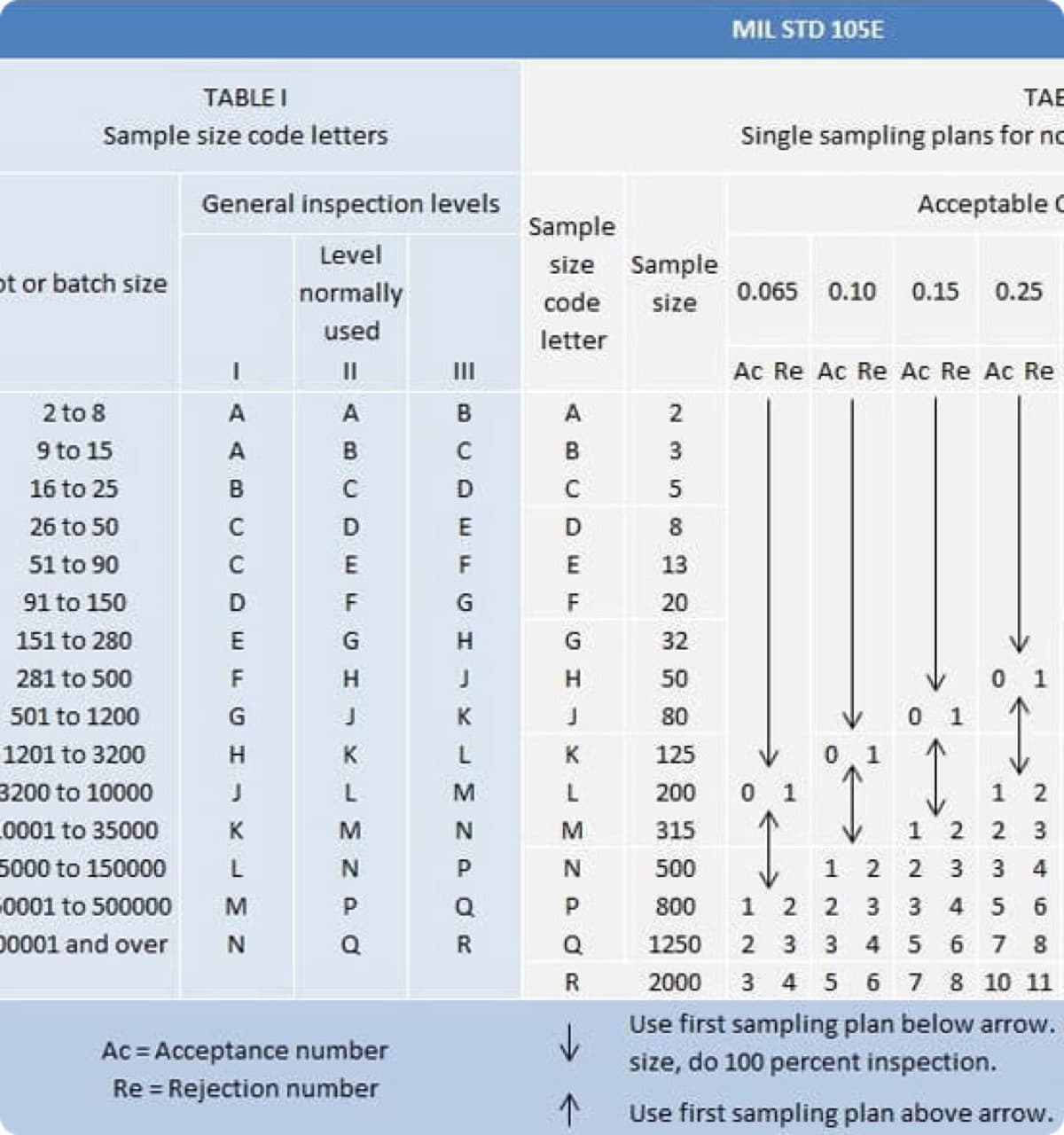
A standard pre-shipment inspection for a single product line typically takes one full working day (8 hours). However, complex products, large order quantities, or inspections covering multiple product types may require additional time. Your inspection provider will recommend the appropriate duration based on your order details and the AQL sampling level you select.
Can I request an unannounced factory inspection?
Yes. Many importers opt for unannounced inspections to get an unfiltered view of factory conditions and production quality. However, there is a risk that goods may not be ready for inspection, which could result in an inconclusive visit. Discuss your preference with your inspection provider to find the right balance between transparency and efficiency.
What is included in a factory inspection report?
A comprehensive factory inspection report includes product photos, defect classifications (critical, major, minor), AQL pass/fail results, on-site test results, packaging verification, and overall recommendations. Tetra Inspection reports include high-resolution images of every defect found, making it easy to share findings with your supplier for corrective action.
How do I choose between different inspection types?
The right inspection type depends on your production stage. Use an Initial Production Check (IPC) before production starts, a During Production Inspection (DPI) when 20-80% of goods are ready, a Pre-Shipment Inspection (PSI) when 80-100% are complete, or a Container Loading Check (CLC) at shipment. For ongoing production, consider production monitoring for daily oversight.
Learn more about quality inspection best practices in our AQL calculator and sampling guide.
Frequently Asked Questions
How much does a factory inspection cost?
Factory inspection costs vary by provider, location, and scope. Most third-party inspection companies charge a flat day rate ranging from $200 to $400 per man-day. Tetra Inspection offers transparent all-inclusive pricing starting at $240 per man-day with no hidden fees, covering the inspector's time, travel within the inspection zone, and a detailed report delivered within 24 hours.
How long does a typical factory inspection take?
A standard pre-shipment inspection for a single product line typically takes one full working day (8 hours). However, complex products, large order quantities, or inspections covering multiple product types may require additional time. Your inspection provider will recommend the appropriate duration based on your order details and the AQL sampling level you select.
Can I request an unannounced factory inspection?
Yes. Many importers opt for unannounced inspections to get an unfiltered view of factory conditions and production quality. However, there is a risk that goods may not be ready for inspection, which could result in an inconclusive visit. Discuss your preference with your inspection provider to find the right balance between transparency and efficiency.
What is included in a factory inspection report?
A comprehensive factory inspection report includes product photos, defect classifications (critical, major, minor), AQL pass/fail results, on-site test results, packaging verification, and overall recommendations. Tetra Inspection reports include high-resolution images of every defect found, making it easy to share findings with your supplier for corrective action.
How do I choose between different inspection types?
The right inspection type depends on your production stage. Use an Initial Production Check (IPC) before production starts, a During Production Inspection (DPI) when 20-80% of goods are ready, a Pre-Shipment Inspection (PSI) when 80-100% are complete, or a Container Loading Check (CLC) at shipment. For ongoing production, consider production monitoring for daily oversight. Learn more about quality inspection best practices in our AQL calculator and sampling guide.
About the Author
Mohamed Afilal
Founder & CEO, Tetra Inspection
Mohamed Afilal is the Founder and CEO of Tetra Inspection, with over 10 years of experience in quality control and supply chain management across Asia, Europe, and Africa. He has personally overseen thousands of product inspections and factory audits, helping importers, retailers, and e-commerce brands safeguard product quality at the source.
LinkedInNeed Help With This?
Our inspectors handle this across 45+ countries with 48-hour scheduling.
Get Inspection Insights
Monthly quality tips and industry data.